
Running isn’t just about physical fitness; it’s a powerful tool for mental well-being. This exploration delves into the science behind the runner’s high, examining the physiological and psychological impacts of regular running on stress, anxiety, and overall mood. We’ll uncover the role of mindfulness, environment, and social support in enhancing the mental benefits of this popular activity.
From the release of endorphins to the cultivation of mindful awareness, we’ll explore the multifaceted relationship between running and mental health. We’ll also address potential challenges and considerations for maintaining a sustainable running routine, ensuring that the journey towards a healthier mind is accessible and achievable for everyone.
The Physiological Basis of Runner’s High
The feeling of euphoria, often described as “runner’s high,” is a complex phenomenon tied to the body’s response to physical exertion. This feeling of well-being is not merely a placebo effect but is rooted in a cascade of physiological changes, primarily involving neurochemical releases. Understanding these mechanisms can illuminate the positive impact of running on mental health.
Neurochemical Release During Exercise
The body’s response to physical activity involves a significant release of neurochemicals, including endorphins, dopamine, and others. These neurochemicals interact in intricate ways to influence mood, pain perception, and overall well-being. Exercise, particularly sustained aerobic activity like running, triggers a powerful cascade of hormonal and neurochemical changes.
The Role of Endorphins
Endorphins, a group of naturally occurring opioid peptides, are key players in the runner’s high. They bind to opioid receptors in the brain, reducing pain perception and inducing feelings of pleasure and euphoria. During and after running, the body releases higher concentrations of endorphins. This release contributes significantly to the positive mood associated with exercise. The intensity and duration of exercise influence the level of endorphin release.
The Impact of Dopamine
Dopamine, a crucial neurotransmitter, plays a significant role in motivation, reward, and pleasure. Exercise, particularly high-intensity running, can increase dopamine levels. The release of dopamine, combined with the endorphin release, creates a powerful synergy that contributes to the positive mood experienced during and after running. This reward system in the brain reinforces the desire to exercise.
Neurochemical Interactions and Mood Regulation
The interplay of endorphins, dopamine, and other neurochemicals contributes to the complex relationship between physical exertion and mood regulation. The body’s physiological response to running not only alleviates pain but also promotes a sense of well-being and positive mood. This process is highly personalized, with individual responses varying based on factors like genetics, training history, and overall health.
Running Intensity and Mental Benefits
The intensity of running impacts the specific neurochemical responses and, consequently, the mental benefits. Low-intensity running can still induce mood-boosting effects through the release of endorphins and dopamine, but higher intensities may lead to more pronounced and sustained improvements in mood and well-being. The specific neurochemical profile and the resulting experience are influenced by the duration and intensity of the run.
Comparison of Neurotransmitter Effects
| Neurotransmitter | Low-Intensity Running | Moderate-Intensity Running | High-Intensity Running |
|---|---|---|---|
| Endorphins | Moderate release, contributes to mild mood elevation | Increased release, noticeable mood enhancement | Significant release, profound mood elevation, potential for euphoria |
| Dopamine | Slight increase, contributes to motivation | Moderate increase, enhances motivation and reward | Significant increase, pronounced reward and motivation |
| Serotonin | Slight increase, potential for improved mood | Moderate increase, contributes to feelings of well-being | Increased release, potentially significant improvement in mood and cognitive function |
Note: This table provides a general overview. Individual responses may vary.
Psychological Benefits of Regular Running
Running isn’t just about physical fitness; it profoundly impacts mental well-being. The act of lacing up your shoes and hitting the pavement can trigger a cascade of positive psychological effects, significantly improving overall quality of life. Regular running routines can combat stress, anxiety, and boost self-esteem. This section explores these psychological benefits, highlighting how running enhances mental health.
Stress Reduction and Anxiety Management
Running provides a powerful outlet for managing stress and anxiety. Physical activity, such as running, stimulates the release of endorphins, natural mood boosters. These endorphins have a calming effect, reducing feelings of stress and anxiety. Furthermore, the rhythmic nature of running can be meditative, allowing individuals to focus on the present moment and disconnect from stressors. Regular running can thus be a valuable tool for stress reduction and anxiety management, offering a proactive approach to mental well-being.
Improved Sleep Quality
A consistent running routine can lead to improved sleep quality. Moderate-intensity exercise, like running, helps regulate the body’s natural sleep-wake cycle. The physical exertion can tire the body, promoting better sleep onset and duration. However, it’s crucial to avoid intense running too close to bedtime, as this could have the opposite effect. The positive correlation between running and improved sleep quality is supported by numerous studies and anecdotal evidence.
Boosting Self-Esteem and Confidence
Running often leads to tangible physical changes, such as weight loss and improved cardiovascular health. These improvements can contribute to a boost in self-esteem and confidence. The accomplishment of completing a run, whether a short distance or a longer one, fosters a sense of pride and accomplishment. The act of pushing one’s physical limits during a run can translate to a sense of personal strength and resilience, impacting one’s self-perception in a positive way.
The effort and progress made in running can significantly impact an individual’s self-image.
Incorporating Running into a Daily Routine
Consistency is key to reaping the mental benefits of running. Creating a structured routine that incorporates running into daily life is crucial for promoting mental well-being. Start with short runs and gradually increase the duration and intensity as fitness improves. Consider pairing running with other healthy habits, such as a balanced diet and sufficient rest. Integrating running into a schedule, whether it’s a morning jog or an evening run, is a great way to establish a positive habit that supports mental well-being.
Find a running buddy or join a running group for added motivation and support. Adjusting the running schedule to accommodate different lifestyles and preferences is also important.
Summary of Psychological Benefits
| Category | Benefit | Explanation | Example |
|---|---|---|---|
| Stress Reduction | Reduced stress and anxiety | Running releases endorphins, which have mood-boosting effects, and the rhythmic nature of running is meditative. | A person feels calmer after a run, and anxiety levels decrease. |
| Sleep Quality | Improved sleep | Moderate-intensity running regulates the body’s sleep-wake cycle and tires the body, promoting better sleep. | An individual reports improved sleep quality and duration after incorporating regular running. |
| Self-Esteem | Increased self-esteem and confidence | Tangible physical changes like weight loss and improved cardiovascular health, coupled with the accomplishment of completing runs, contribute to positive self-perception. | A person feels more confident and proud of their achievements after completing a run. |
Mindfulness and Running
Source: freepik.com
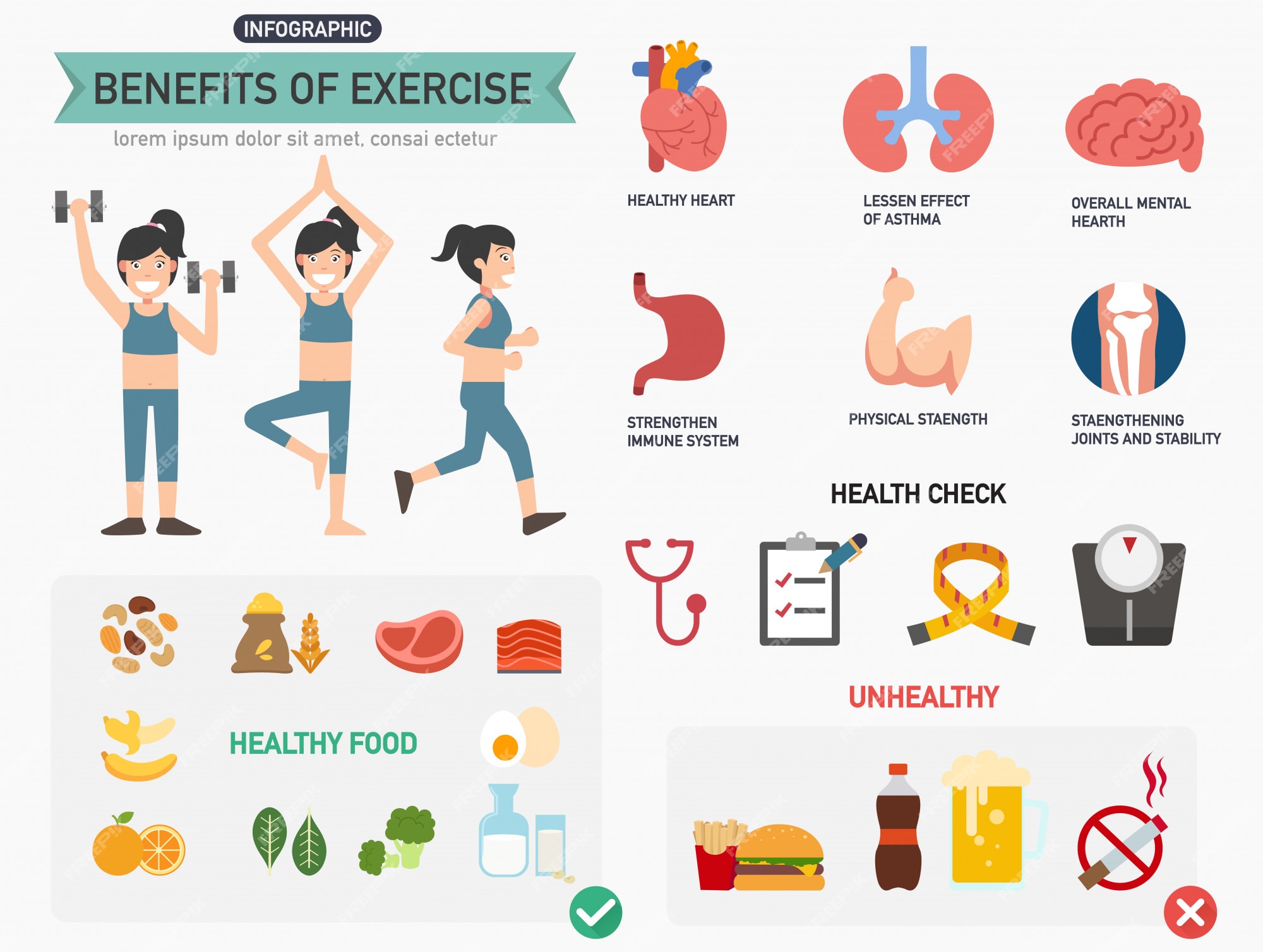
Running, beyond its physical benefits, offers a powerful avenue for cultivating mindfulness. It provides a unique opportunity to connect with the present moment, focusing on the sensations of the body and the rhythm of the activity, fostering a sense of calm and centeredness. This mental clarity extends beyond the run itself, influencing daily life and emotional well-being.
How Running Can Be a Mindfulness Practice
Running can be a potent form of mindfulness practice because it necessitates a focused attention to the present moment. By concentrating on the physical sensations of running – the rhythm of your stride, the feel of the ground beneath your feet, the breath flowing in and out – you are actively engaged with your immediate experience. This active engagement with the present moment is a key component of mindfulness.
Techniques for Cultivating a Mindful State During Running
Developing a mindful running practice involves several key techniques. A crucial element is paying close attention to the breath. Deep, rhythmic breathing can help anchor you in the present. Observe the rise and fall of your chest or abdomen as you inhale and exhale. Also, notice the sensations in your body as you run.
Feel the ground beneath your feet, the movement of your limbs, and the subtle shifts in your posture. By tuning into these sensations, you engage your senses fully and avoid getting lost in thoughts. This attentive observation of the present moment is a cornerstone of mindful running.
The Role of Focus and Concentration in Reducing Stress
Running requires focus and concentration. This intense focus on the physical act of running naturally shifts attention away from stressful thoughts and worries. As you run, your mind becomes more present and less preoccupied with anxieties. This can significantly reduce stress levels and promote a sense of calm and well-being.
A Short Mindfulness Running Exercise
This exercise guides you through integrating mindfulness into your running practice.
- Find a comfortable, quiet place to run, preferably outdoors. A park or a well-maintained trail is ideal.
- Start by tuning into your breath. Notice the rhythm of your inhales and exhales. Observe how your breath feels as it enters and leaves your body. Do not try to change the breath; simply observe it.
- As you begin to run, bring your awareness to the physical sensations of the run. Feel the ground beneath your feet. Notice the movement of your legs and arms. Sense the rhythm of your stride.
- Allow your thoughts to come and go without judgment. If you find your mind wandering, gently redirect your attention back to your breath and the physical sensations of running.
- Continue this practice for the duration of your run, maintaining a sense of gentle awareness. Embrace the present moment, allowing yourself to be fully engaged in the experience of running.
Running as a Meditative Practice
Running can be a meditative practice, providing a structured framework for contemplation. The repetitive motion of running can induce a meditative state by creating a sense of rhythm and flow. This rhythm can be a powerful anchor for the mind, helping to quiet the incessant chatter of thoughts and promote a sense of peace and stillness. The sustained effort of running can also serve as a means to test mental resilience, strengthening the capacity to focus and persevere.
The Role of Environment and Social Support
Running, beyond its physical benefits, deeply intertwines with the environment and social connections. The surroundings and the support system surrounding a runner can significantly impact the experience, fostering motivation, enjoyment, and overall well-being. This section delves into how the environment and social factors enhance the mental benefits of running.The environment, whether a bustling city or a tranquil natural setting, plays a crucial role in shaping the runner’s experience.
A scenic route can elevate the mood and reduce stress, while an urban setting, with its constant stimulation, can offer a different type of challenge and engagement. This dynamic interaction between the environment and the runner’s state of mind highlights the importance of choosing a running location that resonates with personal preferences.
Environmental Influences on Running Experience
The environment significantly impacts the psychological benefits of running. Natural settings, such as parks and forests, often evoke feelings of calmness and tranquility. Studies have shown that exposure to nature can reduce stress hormones and enhance mood. Conversely, urban environments, though offering a different kind of stimulation, may not always provide the same sense of serenity. The specific characteristics of the environment can significantly influence the runner’s perception and experience, impacting their motivation and enjoyment.
The Importance of Social Support
Social support is a crucial element in sustaining running habits and enhancing the overall running experience. A supportive network of friends, family, or fellow runners can provide motivation and encouragement, particularly during challenging times. The encouragement from a running buddy can push individuals to achieve their fitness goals and maintain consistency. The camaraderie of running with others can make the activity more enjoyable and less solitary.
Tips to Enhance the Social Aspect of Running
Building a supportive social network for running can significantly improve the experience.
- Join a running club or group: These communities provide a built-in network of support and encouragement.
- Run with a friend or family member: Shared experiences and mutual support can make running more enjoyable and motivating.
- Participate in running events or races: Competition and the sense of community surrounding these events can boost motivation.
- Use social media platforms to connect with other runners: Online communities can provide encouragement, advice, and support from fellow runners.
- Find a running buddy with similar goals and schedules: This helps maintain consistency and accountability.
The social aspect of running goes beyond just companionship; it fosters a sense of belonging and shared experience.
Running in Groups vs. Alone
| Feature | Running in Groups | Running Alone |
|---|---|---|
| Motivation | Increased motivation due to encouragement and camaraderie | Self-motivation is key, but can be challenging to maintain consistency |
| Enjoyment | Increased enjoyment through shared experiences and social interaction | Enjoyment is derived from the solitude and personal reflection |
| Safety | Enhanced safety due to increased visibility and support | Safety depends on the chosen route and awareness of surroundings |
| Personal Pace | May need to adjust pace to accommodate others | Freedom to run at one’s own preferred pace |
| Focus | Focus might be divided between the activity and social interaction | Full focus on the run and personal experience |
This table illustrates the contrasting advantages of running in groups and alone, highlighting the different benefits each offers.
Benefits of Running in Nature vs. a Gym
Running in natural environments offers a unique blend of physical and mental benefits. The natural scenery, fresh air, and varying terrains can positively influence mood and reduce stress.
- Improved mood and reduced stress: Studies have shown a strong correlation between exposure to nature and improved mental well-being.
- Enhanced creativity and problem-solving: The change of scenery and fresh perspective can foster creative thinking and improved problem-solving skills.
- Increased physical engagement with the environment: Natural environments can provide a greater sense of connection with nature and a deeper appreciation for the surroundings.
- Reduced feelings of isolation: Running in a natural setting can be less isolating than running in a gym.
In contrast, running in a gym can be a convenient and structured option, particularly in inclement weather. However, the lack of natural elements can sometimes lead to a feeling of monotony and reduced motivation compared to running outdoors.
Addressing Potential Challenges and Considerations
Embarking on a running journey often involves navigating various hurdles. Understanding these potential challenges and adopting proactive strategies is crucial for sustained participation and reaping the full mental and physical benefits. Overcoming obstacles and maintaining a consistent routine are vital components of a successful running program.Successfully navigating the challenges of running requires a multifaceted approach. This involves recognizing potential barriers, implementing preventative measures, and cultivating resilience to ensure a positive and sustainable experience.
Potential Barriers to Running and Strategies to Overcome Them
Many individuals face barriers to starting or maintaining a running routine. These obstacles can stem from various factors, including lack of time, motivation, or perceived physical limitations. Addressing these challenges directly is essential for building a sustainable running habit.
- Lack of Time: Scheduling running into a busy daily routine can be difficult. Creating short, manageable workouts, incorporating runs into commute time, or fitting runs into existing routines, like combining a run with errands, are effective strategies to overcome this barrier.
- Lack of Motivation: Maintaining motivation requires consistent effort and establishing meaningful goals. Seeking running partners, setting realistic milestones, celebrating small victories, and incorporating enjoyable music or podcasts into runs can bolster motivation.
- Physical Limitations: Initial discomfort or perceived physical limitations are common among beginners. Starting slowly, gradually increasing distance and intensity, and consulting with healthcare professionals if necessary are essential for safe progression.
Importance of Proper Form and Technique for Injury Prevention and Optimal Benefit
Maintaining correct running form and technique is crucial for injury prevention and maximizing the benefits of running. Improper form can lead to overuse injuries and limit performance.
- Proper Posture: Maintaining an upright posture with a slight forward lean can improve efficiency and reduce stress on joints. A neutral spine and relaxed shoulders are key elements.
- Foot Strike: Understanding your foot strike pattern (midfoot or heel strike) is important for optimizing running efficiency and reducing impact. Consult with a running professional or coach for personalized guidance.
- Cadence: A higher running cadence (steps per minute) can improve efficiency and reduce impact forces. Practicing consistent cadence through drills or apps can help build this important element.
Avoiding Burnout and Maintaining a Sustainable Running Routine
Burnout can hinder progress and lead to discouragement. Developing a sustainable running routine that balances effort with rest and recovery is crucial for long-term success.
- Rest and Recovery: Adequate rest is vital for muscle repair and preventing overtraining. Incorporating rest days into the weekly schedule and listening to the body’s signals are important for injury prevention.
- Varied Training: Mixing up runs with different paces, distances, and terrains can prevent monotony and promote progress. Cross-training activities can also complement running and provide alternative forms of exercise.
- Goal Setting: Setting realistic and attainable goals, focusing on progress rather than perfection, and adjusting goals as needed are crucial for maintaining motivation and avoiding disappointment.
Considerations for Running in Different Weather Conditions
Running in various weather conditions requires appropriate preparation and precautions. Understanding the effects of different weather conditions on the body is essential for safe and effective running.
- Heat: Running in hot weather requires extra precautions, such as wearing appropriate clothing, staying hydrated, and avoiding intense exercise during peak heat hours. Running early in the morning or late in the evening can help mitigate the risk of heat exhaustion.
- Cold: Running in cold weather necessitates proper clothing layers to maintain body temperature and avoid hypothermia. Consider running indoors or in a protected area when temperatures drop significantly.
- Rain: Running in the rain requires appropriate waterproof gear to protect against the elements and maintain comfort. Proper footwear is crucial for preventing slips and falls on wet surfaces.
Managing Pain and Discomfort During and After Running
Addressing pain and discomfort promptly is essential for avoiding injuries and continuing a running routine. Listening to the body and taking appropriate steps to manage pain and discomfort can be crucial.
- Identifying Pain Signals: Understanding the difference between normal muscle soreness and more serious pain is essential for taking appropriate action. Knowing the nature of pain is vital for seeking medical attention when needed.
- Stretching and Warm-up: Adequate warm-up and cool-down routines, including dynamic stretching, are crucial for preventing injuries and managing discomfort. Proper stretching is key for muscle recovery.
- Rest and Ice: Rest and applying ice to sore or painful areas can reduce inflammation and promote recovery. Resting allows the body to heal properly.
Case Studies and Examples
Running has proven to be a powerful tool for enhancing mental well-being, offering tangible benefits for individuals across diverse situations. Real-life examples demonstrate how consistent running can effectively manage stress, elevate mood, and even assist in overcoming specific mental health challenges. These accounts highlight the profound impact of physical activity on emotional health.Understanding the impact of running on mental health requires exploring diverse case studies.
These examples illuminate how physical activity, specifically running, can be a valuable component of mental wellness strategies, complementing other therapies and interventions. By examining successful experiences, we gain insights into the potential of running to foster emotional resilience and mental fortitude.
Impact on Individuals with Diagnosed Mental Health Conditions
Individuals diagnosed with conditions like anxiety and depression frequently find that running provides a significant avenue for managing symptoms. Running offers a structured activity that can help regulate mood and reduce feelings of overwhelm. The physical exertion, coupled with the release of endorphins, can contribute to a sense of accomplishment and improved self-esteem. Furthermore, the routine and structure inherent in running can offer a sense of control and predictability in a potentially unpredictable environment.
For example, a consistent running schedule can serve as a stabilizing force, counteracting the fluctuating emotional states often associated with mental health challenges.
Real-Life Stories of Running to Manage Stress or Improve Mood
Numerous individuals have reported a noticeable reduction in stress and an improvement in mood through consistent running. One example might be a busy professional who finds that a morning run allows them to clear their head and approach the workday with greater focus and calmness. Another might be a student facing academic pressure, who discovers that a post-study run helps them decompress and better manage feelings of anxiety.
The shared experience of these individuals underscores the potential of running to be an effective coping mechanism for everyday stressors. This experience is further enhanced when combined with other healthy lifestyle choices.
Detailed Description of How Running Helped Overcome a Mental Health Challenge
A young woman, struggling with persistent anxiety, discovered that running became a pivotal element in her journey towards recovery. Initially, the physical exertion felt overwhelming, and anxiety often triggered panic attacks. However, with consistent, gradual increases in her running routine, she started noticing a significant shift. Each successful run became a small victory, boosting her self-confidence and sense of control.
The endorphin release provided a natural mood uplift, gradually lessening the intensity of anxiety episodes. This experience highlights the transformative power of running, not just as physical activity, but as a powerful tool for building mental resilience. The process wasn’t linear, and there were setbacks, but each run represented a step forward.
Hypothetical Case Study: Overcoming Psychological Challenge through Running
Imagine a person experiencing persistent feelings of isolation and loneliness. They might struggle with social interaction and feel overwhelmed by everyday social situations. Hypothetically, a structured running routine could be integrated into their daily life, starting with short, manageable runs. Over time, this routine could foster a sense of community through local running groups or online forums for runners.
The act of running itself, alongside the social aspect, might lead to a gradual reduction in feelings of isolation. Regular running, coupled with mindful interactions within a running community, could become a catalyst for developing healthy social connections. The feeling of accomplishment and belonging derived from shared experiences could prove crucial in mitigating the psychological challenge of isolation.
Impact of Running on Individuals with Diagnosed Mental Health Conditions
For individuals with diagnosed mental health conditions, running can serve as a complementary therapeutic approach. It’s not a replacement for professional care, but rather a tool to support treatment plans. A person with depression, for example, might find that running helps alleviate feelings of hopelessness and lethargy. Running offers a healthy outlet for pent-up emotions and provides an opportunity for physical and mental restoration.
The sense of accomplishment derived from regular runs can significantly enhance self-esteem and contribute to overall well-being.
Final Wrap-Up
In conclusion, running offers a wealth of mental benefits, from stress reduction and improved sleep to boosted self-esteem and a sense of mindfulness. By understanding the science behind the runner’s high and incorporating strategies for overcoming potential barriers, individuals can harness the power of running to cultivate a healthier, happier mind. This journey emphasizes the holistic nature of well-being, recognizing that mental health and physical activity are deeply intertwined.
FAQs
How does running intensity affect mental benefits?
Different running intensities yield varying mental effects. Low-intensity runs can promote relaxation and stress relief, while high-intensity workouts can lead to a more potent release of mood-boosting chemicals, potentially improving focus and energy levels. However, it’s crucial to listen to your body and choose an intensity that feels comfortable and sustainable.
What are some common barriers to starting a running routine, and how can they be overcome?
Common barriers include lack of time, injury concerns, or simply not knowing where to start. Addressing these requires setting realistic goals, incorporating gradual progression, seeking guidance from professionals or experienced runners, and focusing on the enjoyment aspect of the activity.
Can running help manage specific mental health conditions?
While running can be a valuable tool for managing stress and anxiety, it’s crucial to consult with healthcare professionals for guidance on incorporating physical activity into treatment plans for diagnosed mental health conditions. Running should be seen as a complementary therapy, not a replacement for professional care.
What’s the relationship between running and sleep quality?
Regular running is often associated with improved sleep quality. Physical exertion can help regulate the body’s natural sleep-wake cycle. However, timing your runs strategically and avoiding intense workouts too close to bedtime is important.