
Unlock your core strength and achieve a healthier, more balanced you with this comprehensive guide to at-home exercises. This detailed plan offers effective methods to target key muscle groups, ensuring a personalized approach to building a stronger core.
Discover a wealth of knowledge on core strengthening, from fundamental exercises to advanced progressions, and learn how to incorporate nutrition and recovery strategies for optimal results. This guide empowers you to sculpt your physique and enhance your overall well-being.
Introduction to Core Strength
A strong core is more than just a six-pack; it’s the foundation for overall well-being. It plays a crucial role in supporting your spine, promoting stability, and enabling efficient movement. Taking control of your core strength through simple at-home exercises can significantly improve your posture, reduce back pain, and enhance athletic performance. This guide will equip you with the knowledge and exercises to build a strong core, right from the comfort of your home.Core strength encompasses the muscles that wrap around your torso, providing stability and support.
These muscles work together to control movement, maintain posture, and protect the spine. Understanding the importance of these muscles and their function is key to effective at-home core strengthening. Beyond aesthetics, a strong core translates to improved balance, reduced injury risk, and a greater sense of physical control.
Defining Core Strength
Core strength is the ability of the muscles in your torso to work together effectively. These muscles are primarily responsible for maintaining stability, controlling movement, and protecting your spine. A strong core is essential for everyday activities like lifting, bending, and twisting, as well as for athletic performance. It’s about the integrated function of various muscle groups, not just isolated exercises.
Muscles Involved
Several crucial muscles contribute to core strength. These include the rectus abdominis (the “six-pack” muscles), the transverse abdominis (a deep core muscle crucial for stability), the obliques (for rotational movements), and the erector spinae (for spinal support). Proper activation and coordination of these muscles are vital for a robust and functional core. The transverse abdominis, in particular, plays a critical role in spinal stabilization, often overlooked in traditional exercises.
Benefits Beyond Physical Fitness
A strong core extends its benefits beyond physical fitness. It significantly impacts posture, reducing the risk of back pain and promoting an upright, confident stance. Core strength also enhances balance and stability, decreasing the likelihood of falls, especially important as we age. The ability to control your core translates to improved athletic performance, allowing for greater power and efficiency in movements.
Imagine the difference a strong core makes for everyday tasks, like carrying groceries or lifting a child.
At-Home Core Strengthening Exercises
At-home core strengthening exercises offer a convenient and effective way to build a strong core. This approach allows you to focus on proper form and technique, which is crucial for avoiding injuries and maximizing results. The exercises are tailored to different fitness levels, ensuring that everyone can find suitable options to incorporate into their daily routine. Consistency and correct form are key to achieving noticeable results.
Types of At-Home Exercises
Strengthening your core involves more than just crunches. A well-rounded approach targets various muscle groups, promoting stability and overall fitness. These exercises are suitable for beginners and can be adjusted to accommodate different fitness levels.Effective core exercises, when performed correctly, build strength and endurance in the abdominal muscles, obliques, and lower back, fostering improved posture and reducing the risk of injury.
Common Core Exercises for Beginners
A variety of exercises can be incorporated into a home workout routine to effectively target the core muscles. The following exercises are designed for beginners, offering progressive challenges as strength improves.
- Plank: This exercise engages the entire core, including the rectus abdominis, transverse abdominis, and obliques. Maintaining a straight line from head to heels is crucial. Start in a push-up position, but rest on your forearms instead of your hands. Keep your body in a straight line, engaging your core to prevent sagging or arching. Hold for 15-30 seconds initially, gradually increasing the duration as strength improves.
Modifications include starting on your knees instead of toes for easier support.
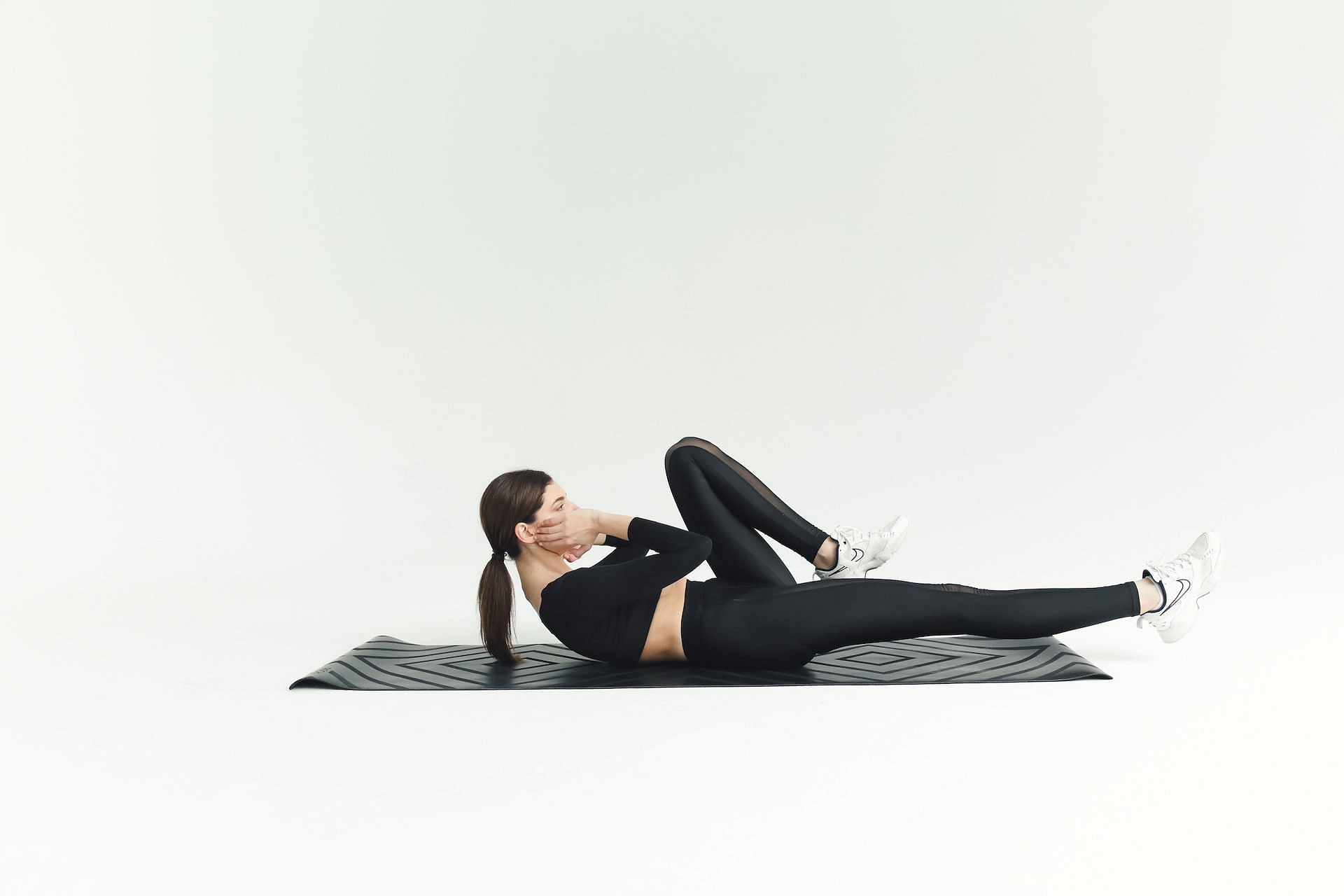
- Crunches: Crunches primarily target the rectus abdominis. Lie on your back with knees bent and feet flat on the floor. Place your hands behind your head, or gently on your chest for support. Inhale and curl your upper body towards your knees, exhaling as you return to the starting position. Focus on controlled movements rather than rapid repetitions.
Avoid pulling on your neck. Modifications include keeping your knees elevated to a lower degree to reduce the intensity. Beginners should start with a smaller number of repetitions (8-12) and gradually increase as their core strength improves.
- Leg Raises: This exercise primarily targets the lower abdominal muscles. Lie on your back with your arms by your side, palms flat on the floor. Slowly raise your legs straight up towards the ceiling, keeping your back pressed firmly against the floor. Lower your legs back down in a controlled manner. Modifications include bending your knees slightly to ease the exercise, or holding a light weight for added resistance.
- Bird-Dog: This exercise strengthens the core and improves balance. Start on your hands and knees. Extend one arm forward and the opposite leg back, keeping your body in a straight line. Hold for a few seconds, then return to the starting position. Alternate sides.
Modifications include keeping your knees closer to the floor for better support.
- Side Plank: This exercise targets the obliques, the muscles on the sides of your abdomen. Lie on your side with your elbow directly under your shoulder, supporting your weight. Lift your hips off the floor, creating a straight line from head to heels. Hold for 15-30 seconds, and repeat on the other side. Modifications include supporting your body with your knees on the floor to decrease the intensity.
- Russian Twists: This exercise targets the obliques. Sit on the floor with your knees bent and feet flat on the floor. Lean back slightly, keeping your back straight, and hold a weight (or a medicine ball) in front of your chest. Twist your torso from side to side, bringing the weight towards your opposite hip. Modifications include using a lighter weight or no weight at all.
Comparing Exercise Effectiveness
Planks are highly effective for overall core strength due to their sustained engagement of multiple core muscles. Crunches primarily target the rectus abdominis, while leg raises focus on the lower abdominal muscles. The bird-dog exercise promotes stability and coordination throughout the core, while side planks and Russian twists isolate the oblique muscles. Each exercise offers a unique contribution to a comprehensive core-strengthening routine.
| Exercise | Target Muscles | Modifications |
|---|---|---|
| Plank | Rectus abdominis, transverse abdominis, obliques, lower back | Start on knees, shorten hold time |
| Crunches | Rectus abdominis | Keep knees elevated, use less repetitions |
| Leg Raises | Lower abdominal muscles | Bend knees slightly, use no weight |
| Bird-Dog | Back muscles, glutes, core | Keep knees closer to floor, shorten hold time |
| Side Plank | Obliques | Support with knees on floor, shorten hold time |
| Russian Twists | Obliques | Use lighter weight, eliminate weight |
Exercise Progression and Variations
Source: sportskeeda.com
Mastering core strength involves gradually increasing the difficulty and complexity of exercises. This progression allows for continuous improvement and prevents plateaus, while tailoring the exercises to individual needs and limitations is crucial for safe and effective training. Understanding how to progress and modify exercises is key to long-term core strength development.
Progression from Basic to Advanced Exercises
Progressive overload is a fundamental principle in exercise programming. It involves gradually increasing the demands placed on the muscles over time. This can be achieved by increasing the number of repetitions, sets, or the resistance used in an exercise. For example, starting with 10 repetitions of a basic crunch and gradually increasing to 15, 20, and so on, or adding weight to the exercise.
This progressive overload ensures that the muscles are consistently challenged and adapt, leading to continuous strength gains.
Modifications for Injuries or Limitations
Recognizing individual limitations and injuries is paramount to safe and effective exercise. Modifications are essential to adapt exercises for those with injuries or physical limitations. This involves adjusting the exercise’s form, intensity, or the use of assistive devices, such as resistance bands or weight vests. For example, if someone has a back injury, modifications might include using a chair for support or performing the exercise with a smaller range of motion.
A physical therapist or qualified professional can offer personalized guidance for specific conditions.
Incorporating Progressive Overload
Progressive overload is the cornerstone of achieving improvements in core strength. It involves incrementally increasing the demands placed on the muscles. This could involve increasing the number of repetitions, sets, or the duration of the exercise. For example, if you can currently perform 10 crunches, gradually increase the number to 12, 15, and so on. Alternately, you could increase the duration of the plank hold.
Consistency is key, and gradual increases in intensity will yield the best results.
Exercise Progression Table
| Exercise | Beginner Modification | Intermediate Variation | Advanced Variation |
|---|---|---|---|
| Plank | Forearms on a stable surface, knees on the floor | Full plank position, holding for 30 seconds | Side plank, holding for 45-60 seconds on each side |
| Crunches | Knee-to-chest crunches, hands behind head or on chest | Standard crunches, 15-20 repetitions | Weighted crunches, 10-12 repetitions |
| Bird Dog | Start with a shorter extension of the arms and legs | Full extension of arms and legs, maintaining a straight line from head to heels | Increase the time held in extension, add resistance bands |
| Leg Raises | Small leg raises with hands on the floor for support | Full leg raises, maintaining a straight line from hips to knees | Weighted leg raises, 10-12 repetitions |
Creating a Consistent Routine
Establishing a consistent core workout routine is key to achieving lasting results. Simply incorporating exercises into your schedule isn’t enough; consistency is crucial for building strength and seeing improvements over time. This section provides a framework for developing a sustainable workout routine that fits your lifestyle and goals.Developing a consistent workout schedule involves more than just choosing exercises.
It’s about creating a structured plan that you can comfortably integrate into your daily life. This plan will be adaptable to your individual needs and preferences, ensuring long-term adherence and maximizing your results.
Sample Weekly Workout Schedule
Consistency in exercise is often more effective than intense but infrequent workouts. A well-structured weekly schedule allows for progressive overload, ensuring your body adapts and continues to challenge itself. A sample schedule, adaptable to your needs, is shown below:
| Day | Workout |
|---|---|
| Monday | Warm-up (5 minutes) followed by 3 sets of 10-12 repetitions each of Plank, Bird Dog, and Russian Twists. Cool-down (5 minutes). |
| Tuesday | Rest or Active Recovery (e.g., light walk or yoga). |
| Wednesday | Warm-up (5 minutes) followed by 3 sets of 10-12 repetitions each of Bicycle Crunches, Leg Raises, and Side Plank. Cool-down (5 minutes). |
| Thursday | Rest or Active Recovery (e.g., light walk or yoga). |
| Friday | Warm-up (5 minutes) followed by 3 sets of 10-12 repetitions each of Plank, Bird Dog, and Russian Twists. Cool-down (5 minutes). |
| Saturday | Rest or Active Recovery (e.g., light walk or yoga). |
| Sunday | Rest or Active Recovery (e.g., light walk or yoga). |
Tips for Staying Motivated and Consistent
Maintaining motivation is essential for long-term adherence to your core workout routine. These tips can help you stay committed and focused:
- Set Realistic Goals: Don’t aim for drastic changes overnight. Start with small, achievable goals and gradually increase the intensity and duration of your workouts as you progress. For example, begin with three 15-minute sessions per week and progressively increase the time and frequency as your fitness level improves.
- Find an Exercise Buddy: Working out with a friend or family member can provide motivation and accountability. Sharing your progress and supporting each other can make the process more enjoyable and sustainable.
- Track Your Progress: Keeping a log of your workouts, noting the exercises, repetitions, and sets, can help you visualize your improvement over time. This visual representation of progress can be highly motivating.
- Mix Up Your Routine: Varying your exercises can prevent boredom and keep your workouts challenging. Introducing new exercises or adjusting the intensity can maintain interest and avoid plateaus.
- Reward Yourself: Celebrate your accomplishments, no matter how small. This could be anything from a relaxing bath to a new workout outfit. Positive reinforcement can boost your motivation and reinforce good habits.
Adjusting the Schedule Based on Individual Needs
A personalized approach to your workout schedule is crucial for long-term adherence. Consider these factors when adapting the sample schedule:
- Current Fitness Level: Beginners should start with fewer repetitions and sets, gradually increasing as strength improves. Adjust the intensity and duration of workouts to match your current fitness level, ensuring a comfortable and effective workout.
- Health Conditions: Consult with a doctor or physical therapist before starting any new exercise program, especially if you have pre-existing health conditions. They can provide guidance on modifying exercises to accommodate specific needs.
- Time Constraints: If you have limited time, consider shorter, more intense workouts. Prioritize consistency over the duration of each session. For example, a 20-minute intense workout can be just as effective as a 45-minute session, especially if performed consistently.
- Personal Preferences: Choose exercises that you enjoy and that fit your lifestyle. This can increase your likelihood of sticking to your routine over the long term. For instance, if you enjoy dancing, consider incorporating dance moves into your workout routine to make it more engaging.
Nutrition and Recovery for Core Strength
Proper nutrition plays a crucial role in supporting core strength development. A balanced diet fuels the muscles, aids in recovery, and maximizes the effectiveness of your workouts. Adequate nutrition not only contributes to building and maintaining core strength but also promotes overall health and well-being.A strong core isn’t just about exercise; it’s about nourishing your body with the right nutrients.
This includes prioritizing proper hydration, ensuring sufficient rest, and consuming a diet rich in essential nutrients for muscle growth and repair. This approach optimizes your body’s ability to build and maintain core strength.
Relationship Between Nutrition and Core Strength
Fueling your workouts and supporting muscle repair are essential aspects of core strength development. Nutrients provide the building blocks for muscle growth and the energy needed for exercise. A well-balanced diet provides the necessary energy to perform core exercises effectively and promotes faster muscle recovery. A diet lacking in essential nutrients can hinder progress and lead to decreased performance.
Importance of Hydration and Rest
Proper hydration is vital for optimal muscle function. Water is essential for transporting nutrients to the muscles and removing waste products. Dehydration can impair muscle performance and increase the risk of injury during core exercises. Adequate rest allows muscles to repair and rebuild, making them stronger and more resilient. Insufficient sleep can negatively impact muscle recovery and limit the effectiveness of your workouts.
Key Nutrients for Muscle Growth and Repair
Protein is crucial for muscle growth and repair. It provides the amino acids needed to build and maintain muscle tissue. Carbohydrates provide the energy needed for exercise and support muscle glycogen stores. Essential vitamins and minerals play a vital role in various bodily functions, including muscle metabolism and repair.
Healthy Foods for Core Strength Development
A diet rich in whole, unprocessed foods is key to supporting core strength. This includes fruits, vegetables, lean proteins, and whole grains. These foods provide a variety of essential nutrients without excessive amounts of unhealthy fats or added sugars. Prioritizing whole foods helps maintain a healthy weight and provides sustained energy for workouts.
| Food Category | Examples | Benefits |
|---|---|---|
| Protein | Lean meats (chicken, fish, turkey), beans, lentils, tofu, Greek yogurt | Provides amino acids for muscle repair and growth. |
| Carbohydrates | Brown rice, quinoa, sweet potatoes, oats, fruits | Provides energy for workouts and supports muscle glycogen stores. |
| Vitamins & Minerals | Leafy greens (spinach, kale), berries, nuts, seeds | Essential for various bodily functions, including muscle metabolism and repair. |
Safety and Precautions
Strengthening your core is a beneficial practice, but proper safety measures are crucial to prevent injuries. Understanding potential risks and knowing how to listen to your body is vital for a safe and effective core workout routine. This section details important precautions and strategies to ensure your well-being throughout your core strengthening journey.Proper form and mindful execution are paramount in preventing injuries during core exercises.
Ignoring these precautions can lead to strain, pain, and potentially long-term problems. Knowing how to listen to your body, recognizing warning signs, and adjusting your routine accordingly are essential elements of a safe and effective workout program.
Potential Risks and Precautions
Core exercises, while generally safe, can pose risks if not performed correctly. Improper form can lead to strains, sprains, and other musculoskeletal issues. Using proper technique and gradually increasing intensity are vital preventative measures. This involves understanding the specific movements and ensuring that each exercise is performed with controlled and deliberate motions.
Listening to Your Body
Paying attention to your body’s signals is essential. Discomfort, pain, or sharp sensations should immediately halt the exercise. Pushing through pain can lead to further injury. Chronic pain should be evaluated by a medical professional. Understanding your limitations and adjusting the intensity or type of exercise accordingly is crucial.
Warm-up and Cool-down Routines
A proper warm-up prepares the muscles for the workout, reducing the risk of injury. Dynamic stretches, such as arm circles, leg swings, and torso twists, are effective ways to increase blood flow and flexibility. A cool-down period, with static stretches that hold each stretch for 15-30 seconds, allows the muscles to recover and reduces the risk of muscle soreness.
This helps prevent stiffness and promotes proper blood circulation back to the muscles.
Common Mistakes to Avoid
Maintaining proper form is essential for preventing injuries. Common mistakes include using momentum instead of controlled movements, arching the back during exercises, or holding your breath. Ensuring a stable core position and focusing on controlled movements throughout each repetition is critical. These mistakes can lead to imbalances and unnecessary strain on the spine and surrounding muscles.
Warnings for Individuals with Pre-existing Medical Conditions
Individuals with pre-existing medical conditions, such as back problems, hernias, or spinal injuries, should consult with a healthcare professional before starting any new exercise program, including core strengthening. A healthcare professional can assess individual needs and limitations, and suggest appropriate modifications to exercises to avoid exacerbating existing conditions. Exercise programs should be tailored to the specific needs and limitations of the individual.
Always prioritize your health and safety, and consult with a healthcare provider if you have concerns.
Measuring Progress and Tracking Results
Staying motivated and seeing tangible results is crucial for any fitness journey. Tracking your progress allows you to identify areas of improvement, celebrate achievements, and adjust your routine as needed. This meticulous approach empowers you to stay committed to your goals and maintain a healthy, active lifestyle.
Methods for Tracking Core Strength
Monitoring core strength involves more than just feeling stronger. Quantitative measurements are vital to understand improvements. Methods like measuring the number of repetitions you can complete in a given exercise with proper form provide concrete evidence of progress. Regularly assessing your body’s response to exercise and noting changes in flexibility, endurance, and strength allows you to make informed adjustments to your training plan.
Monitoring Improvements in Flexibility, Endurance, and Strength
Flexibility improvements can be tracked by measuring the range of motion in exercises like side bends or twists. Endurance is monitored by noting the number of repetitions or the duration you can maintain an exercise without fatigue. Strength gains are measured by increasing the weight or resistance used in exercises like planks or Russian twists. These quantifiable measures provide a clear picture of your development.
Creating a Log or Journal to Record Progress
A dedicated log or journal serves as a valuable tool for recording your fitness journey. It allows you to document your daily workouts, noting the exercises performed, sets, reps, and any variations used. Include details about your perceived exertion (e.g., on a scale of 1-10) and any modifications made due to limitations or progress. Maintaining a consistent log helps you analyze trends and identify patterns in your progress.
Tools and Apps for Tracking Fitness Data
Numerous apps and tools are designed to simplify fitness tracking. Fitness trackers, smartwatches, and dedicated exercise apps can monitor your workouts, record heart rate, track sleep, and provide insights into your overall fitness. These tools provide objective data that can complement your personal observations. Choosing the right tool depends on your individual needs and preferences.
Example Exercise Tracking Log
| Date | Exercise | Sets | Reps | Weight/Resistance | Comments/Variations | Perceived Exertion (1-10) |
|---|---|---|---|---|---|---|
| 2024-10-27 | Plank | 3 | 30 | Bodyweight | Standard plank | 7 |
| 2024-10-28 | Side Plank | 3 | 25 | Bodyweight | 30 seconds each side | 8 |
| 2024-10-29 | Bird Dog | 3 | 12 | Bodyweight | Slow and controlled | 6 |
Closing Summary
This comprehensive guide has equipped you with the tools and knowledge to embark on a journey towards a stronger, more resilient core. Remember, consistency and proper form are key to achieving your fitness goals. Embrace the journey, and watch as your core strength flourishes. Remember to listen to your body and adjust the routine as needed.
FAQ Explained
How long will it take to see results?
Results vary depending on individual factors like diet, existing fitness level, and consistency. However, most individuals can expect to see improvements within a few weeks of consistent practice.
What if I have an injury?
Consult your physician or physical therapist before starting any new exercise program, especially if you have any existing injuries. This guide provides modifications for various fitness levels, including those with injuries or limitations. Always prioritize safety and listen to your body.
Can I do these exercises anywhere?
Yes, these exercises are designed to be performed at home, requiring no special equipment or facilities. All you need is a comfortable space and your own body.
What are the benefits of a strong core?
A strong core enhances overall physical health by improving posture, balance, and stability. It also protects your back and reduces the risk of injury. Beyond physical fitness, it contributes to better athletic performance, daily activities, and overall well-being.