
Embark on a journey to discover the transformative power of outdoor workouts. From invigorating hikes to invigorating runs, outdoor activities offer a unique blend of physical and mental well-being, connecting us to nature’s restorative power. This exploration dives deep into the numerous benefits, encompassing everything from the impact of fresh air on physical health to the profound effects on mental clarity and environmental consciousness.
This comprehensive guide unveils the multifaceted advantages of outdoor exercise, highlighting its role in fostering a healthier and more fulfilling lifestyle. We’ll examine the diverse types of outdoor activities, explore the science behind their impact on our well-being, and even consider the responsible approach to outdoor workouts while respecting the environment.
Introduction to Outdoor Workouts

Source: shopify.com
Outdoor workouts encompass physical activities performed outside, contrasting with indoor exercises like gym workouts or yoga. These activities tap into a natural environment, offering unique benefits for both the mind and body. The appeal of outdoor exercise has grown significantly in recent decades, driven by a growing awareness of the holistic well-being advantages it provides.The concept of outdoor exercise isn’t new; historical evidence suggests that humans have always sought physical activity in natural settings.
From foraging and hunting to leisurely walks and hikes, outdoor pursuits have been fundamental to human existence. However, the modern trend emphasizes structured workouts and specific activities like running trails, cycling, and rock climbing. This evolution is fueled by increased leisure time, improved access to outdoor spaces, and a growing emphasis on health and wellness.
Types of Outdoor Activities
Outdoor workouts encompass a broad spectrum of activities, each with its own unique characteristics and benefits. Hiking, running, and cycling are prime examples of popular outdoor activities. Beyond these, kayaking, rock climbing, and even simply walking in nature provide avenues for physical exertion and enjoyment of the environment.
Comparison of Outdoor Activities
| Activity | Benefits | Considerations |
|---|---|---|
| Hiking | Excellent cardiovascular exercise, builds strength, enhances mental clarity through immersion in nature. | Requires appropriate footwear, trail conditions can vary, and elevation gain can be challenging. |
| Running | Excellent cardiovascular fitness, strengthens lower body, improves endurance. | Requires proper running shoes, can be impacted by weather conditions, and needs adequate preparation for longer distances. |
| Cycling | Cardiovascular exercise, strengthens leg muscles, accessible for various terrains. | Requires a bike, maintenance, and potentially appropriate gear (helmet, etc.) for safety. |
| Kayaking | Full-body workout, improves core strength, and offers a unique perspective of nature. | Requires knowledge of water conditions, safety gear, and appropriate weather. |
| Rock Climbing | Excellent upper body strength, builds endurance, and provides a challenge. | Requires specific climbing gear and experience, requires adequate safety measures, and needs to be approached cautiously. |
The table above highlights the diverse range of outdoor activities and provides a brief overview of their associated benefits and considerations. Choosing the right activity depends on individual preferences, fitness levels, and available resources.
Physical Benefits of Outdoor Workouts
Outdoor workouts offer a wealth of physical advantages beyond the typical gym routine. The natural environment provides unique stimuli that contribute to improved physical health and well-being. Engaging in physical activity amidst nature can enhance mood, energy levels, and overall fitness, leading to a more holistic approach to exercise.Engaging with nature during workouts provides numerous physical advantages, often exceeding the benefits of indoor exercise.
The fresh air, natural light, and varied terrains stimulate the body in ways that indoor environments cannot replicate. These elements collectively enhance the physical experience and promote a more robust and adaptable physical condition.
Impact of Fresh Air on Physical Health
Fresh air is crucial for optimal respiratory function. Breathing in clean, unpolluted air improves lung capacity and oxygen intake, leading to better endurance and stamina during workouts. Studies have shown that individuals exercising outdoors often experience improved cardiovascular health compared to those working out indoors. This improvement is linked to the increased oxygen intake facilitated by the fresh air.
Positive Effects of Natural Light on Mood and Energy Levels
Natural light significantly influences mood and energy levels. Sunlight exposure helps regulate the body’s natural circadian rhythm, promoting alertness and boosting energy levels. The visible spectrum of sunlight plays a critical role in the production of vitamin D, a crucial nutrient for bone health and overall well-being. Improved mood and energy levels in turn enhance the workout experience, motivating individuals to engage in more frequent and sustained physical activity.
Role of Varied Terrains in Improving Physical Fitness and Strength
Varied terrains, such as hills, uneven surfaces, and trails, provide a greater challenge to the body than flat, indoor surfaces. This variability enhances muscular strength, balance, and coordination. Working out on uneven terrain engages more muscle groups, leading to a more complete and comprehensive workout. This type of workout improves stability and strength in a way that traditional indoor workouts often cannot replicate.
Comparison of Outdoor and Indoor Workouts
Outdoor workouts, with their natural stimuli, offer a more dynamic and engaging experience than indoor workouts. The changing scenery, fresh air, and varied terrains stimulate different muscle groups and enhance overall fitness. Indoor workouts, while effective, often lack the stimulating environmental factors that outdoor activities provide. The absence of natural elements might result in a less engaging and less motivating experience for some individuals.
Physical Benefits of Various Outdoor Activities
| Outdoor Activity | Specific Physical Improvements |
|---|---|
| Hiking | Improved cardiovascular fitness, enhanced leg strength, increased endurance, improved balance and coordination. |
| Trail Running | Enhanced cardiovascular fitness, increased leg strength and endurance, improved agility and speed. |
| Cycling | Improved cardiovascular fitness, enhanced leg strength and endurance, increased stamina. |
| Yoga outdoors | Improved flexibility, balance, coordination, stress reduction, and a deeper connection with nature. |
Mental Benefits of Outdoor Workouts
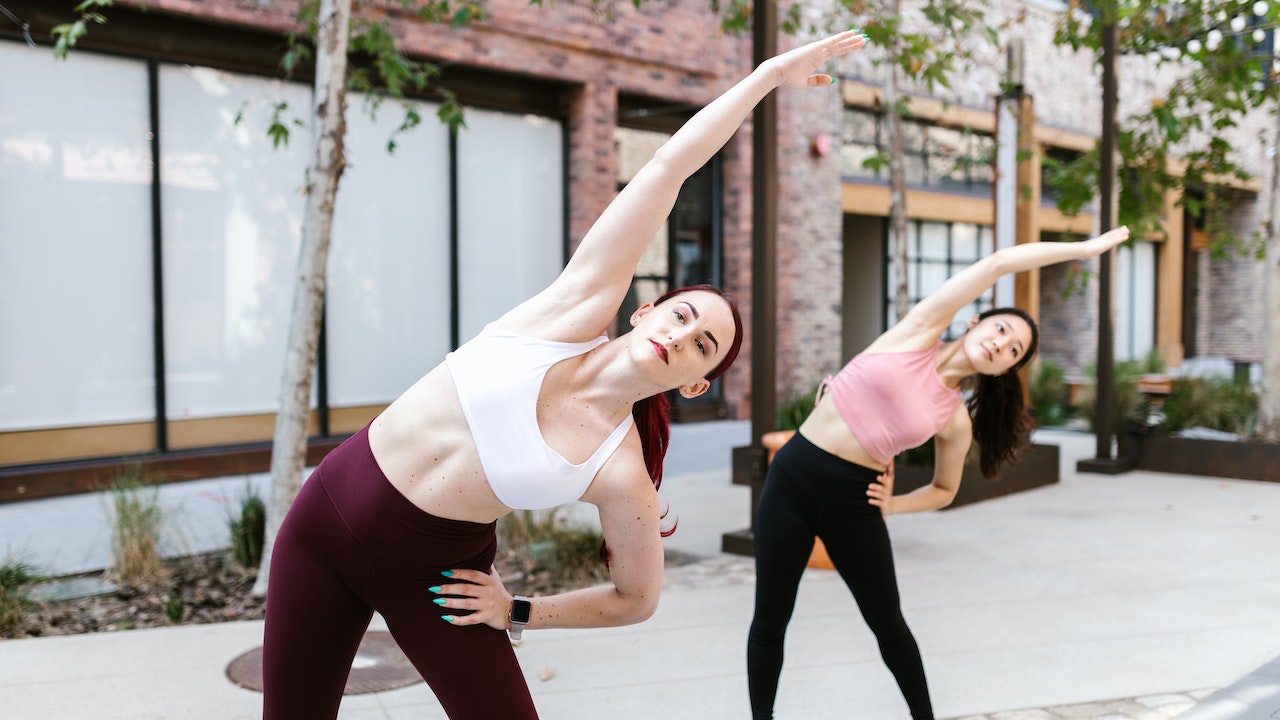
Source: sturdylifestyle.com
Stepping outside for exercise offers more than just physical advantages; it significantly impacts mental well-being. The natural world possesses a remarkable capacity to soothe the mind and foster a sense of calm, which can be a powerful antidote to stress and anxiety. Engaging in outdoor activities can also sharpen cognitive function, boosting creativity and problem-solving abilities. These benefits extend beyond the workout itself, creating a more holistic and enriching experience.
Nature’s Stress and Anxiety Reduction
Nature’s restorative power is well-documented. Studies consistently show that exposure to natural environments can lower stress hormones and reduce feelings of anxiety. The sights, sounds, and smells of nature have a calming effect on the nervous system, promoting relaxation and a sense of peace. This effect is often attributed to the reduction in mental clutter and the feeling of being immersed in something larger than oneself.
The sensory stimulation provided by nature can help shift focus away from internal anxieties and towards the present moment.
Outdoor Time and Cognitive Function
Outdoor workouts can enhance cognitive function. Research suggests that spending time in nature can improve attention span, memory, and overall cognitive performance. The change in scenery and the physical activity combined can stimulate different parts of the brain, leading to improved mental clarity and focus. This connection between nature and cognition highlights the importance of incorporating outdoor activities into daily routines for mental well-being.
Nature’s Impact on Creativity and Problem-Solving
Nature provides a fertile ground for creative thought and problem-solving. The open spaces and diverse elements of natural environments can spark new ideas and perspectives. Stepping away from the confines of a structured environment can foster a sense of freedom and spontaneity, leading to innovative approaches to challenges. This effect is often observed in people who find inspiration in nature’s beauty and complexity.
Mindfulness Exercises Outdoors
Mindfulness exercises are significantly enhanced by the presence of nature. These practices can be tailored to the outdoor setting, making the experience even more impactful. Examples include mindful walking, where attention is focused on the sensations of each step and the surroundings, or simply sitting and observing the natural world around you. Paying attention to the details of the environment, from the rustling leaves to the chirping birds, helps cultivate a greater sense of presence and awareness.
- Mindful nature walks: Focus on the sensory details of your surroundings, such as the feel of the ground beneath your feet, the sounds of birdsong, or the colours of the leaves. Notice how these details influence your emotional state.
- Forest bathing (Shinrin-yoku): This practice emphasizes immersion in nature to reduce stress and promote relaxation. Take your time to savour the sights, sounds, and smells of the forest.
- Outdoor meditation: Find a quiet spot in nature and focus on your breath. Allow thoughts to come and go without judgment. The calming effect of nature enhances the meditative experience.
Mental Health Benefits of Outdoor Activities
| Outdoor Activity | Mental Health Benefit |
|---|---|
| Nature Walks | Reduced stress and anxiety, improved mood, enhanced focus |
| Hiking | Increased self-esteem, reduced feelings of isolation, improved cognitive function |
| Gardening | Enhanced creativity, reduced symptoms of depression, improved sense of accomplishment |
| Camping | Increased sense of connection with nature, improved sleep quality, decreased feelings of stress |
| Birdwatching | Increased mindfulness, improved attention span, reduced feelings of loneliness |
Environmental Impact of Outdoor Workouts
Outdoor workouts offer numerous benefits for both mind and body, but it’s crucial to acknowledge the environmental impact of our activities. Responsible exercise in nature requires awareness and consideration for the ecosystems we engage with. By understanding our footprint and adopting eco-friendly practices, we can ensure that our passion for outdoor fitness doesn’t compromise the beauty and health of the natural world.Recognizing the interconnectedness between physical activity and environmental conservation is paramount.
Our choices, from the gear we use to the trails we tread, can significantly impact the surrounding environment. Minimizing our environmental footprint during outdoor workouts is not just a good deed, it’s an essential part of responsible recreation.
Respecting Nature During Outdoor Workouts
Maintaining a respectful approach to nature during outdoor workouts is essential. This includes staying on marked trails to avoid damaging fragile ecosystems and minimizing noise pollution during sensitive hours. Proper waste disposal, leaving no trace behind, is critical to preserving the natural beauty we enjoy. Respect for wildlife is equally important; observe animals from a distance and avoid disturbing their natural habitats.
Connection Between Physical Activity and Environmental Conservation
Participating in outdoor activities can foster a deeper appreciation for the environment. Direct exposure to nature, combined with physical exertion, can inspire a sense of responsibility towards its preservation. Promoting sustainable practices during these activities reinforces the link between our personal well-being and the health of the planet. For instance, hiking and trail running can encourage individuals to advocate for trail maintenance and conservation efforts in their local areas.
Importance of Eco-Friendly Outdoor Workout Gear
Choosing eco-friendly workout gear is a significant step towards minimizing our environmental impact. Materials like recycled polyester, organic cotton, and biodegradable plastics are superior alternatives to traditional materials, as they often have a lower environmental footprint throughout their life cycle. This consideration extends to durable, long-lasting gear, reducing the need for frequent replacements.
Tips for Minimizing the Environmental Footprint of Outdoor Workouts
Adopting these strategies can help reduce the environmental impact of outdoor workouts:
- Prioritize reusable items: Carry a reusable water bottle, coffee cup, and snack containers to avoid single-use plastics. This simple change significantly reduces plastic waste.
- Choose durable gear: Invest in high-quality, long-lasting gear that will last longer, minimizing the need for frequent replacements.
- Support sustainable brands: Opt for outdoor gear manufacturers that prioritize sustainability and ethical production practices. Look for certifications that guarantee eco-friendly materials and processes.
- Respect wildlife and their habitats: Observe animals from a distance, avoid disturbing their natural behaviors, and follow any posted guidelines.
- Proper waste disposal: Pack out all trash, including food scraps and packaging. Leave no trace behind to maintain the natural beauty of the environment.
Eco-Friendly Alternatives to Traditional Outdoor Gear
The following table Artikels eco-friendly alternatives to traditional outdoor gear:
| Traditional Gear | Eco-Friendly Alternative | Justification |
|---|---|---|
| Plastic water bottle | Stainless steel water bottle | Reduces reliance on single-use plastics. |
| Polyester running jacket | Recycled polyester running jacket | Utilizes recycled materials, lowering the environmental impact. |
| Single-use plastic bags | Reusable shopping bags or fabric bags | Reduces plastic waste and supports more sustainable packaging options. |
| Disposable water bottles | Reusable water bottle | Minimizes plastic waste, as well as promoting responsible water consumption. |
| Foam-based insulation | Recycled/natural-based insulation | Promotes reduced reliance on petroleum-based products. |
Safety and Preparation for Outdoor Workouts
Outdoor workouts offer numerous benefits for both physical and mental well-being. However, safety is paramount. Proper preparation, including understanding potential risks and adopting safe practices, ensures a positive and productive outdoor exercise experience. A thoughtful approach to clothing, gear, hydration, nutrition, and weather awareness minimizes potential hazards.
Essential Safety Precautions
Safety is paramount when engaging in outdoor activities. Adhering to safety precautions minimizes risks and maximizes enjoyment. These precautions include awareness of your surroundings, avoiding isolated areas, and informing someone of your planned route and expected return time. Carrying a personal locator beacon (PLB) or a mobile phone with a strong signal is highly recommended, particularly for remote locations.
Knowing basic first aid and carrying a well-stocked first-aid kit is also essential. Always be mindful of potential hazards like wildlife, uneven terrain, and weather changes. Report any unusual incidents or concerns immediately.
Choosing Appropriate Clothing and Gear
Selecting suitable clothing and gear enhances comfort and safety during outdoor workouts. Clothing should be appropriate for the weather conditions, prioritizing moisture-wicking fabrics for breathability and preventing overheating. Layers of clothing provide flexibility to adjust to changing temperatures. Consider weather-resistant outerwear and sturdy, supportive footwear appropriate for the terrain. Essential gear includes a backpack to carry water, snacks, and a first-aid kit.
For activities involving sun exposure, sunglasses, sunscreen, and a hat are crucial for protection.
Hydration and Nutrition During Outdoor Workouts
Adequate hydration and nutrition are vital for maintaining energy levels and preventing dehydration during outdoor workouts. Hydration should be prioritized by drinking water regularly throughout the workout, even if you don’t feel thirsty. Carry a reusable water bottle and refill it frequently. Nutrition plays a key role in fueling your body. Consume easily digestible carbohydrates and electrolytes before, during, and after the workout.
Choose snacks that provide sustained energy, such as fruits, nuts, or energy bars.
Understanding Weather Conditions and Appropriate Responses
Weather conditions significantly impact outdoor workouts. Monitoring weather forecasts and understanding the potential for sudden changes is crucial. Be prepared to adjust your workout plan or reschedule if severe weather arises. Know the signs of heatstroke, hypothermia, or other weather-related conditions. If encountering hazardous weather conditions, seek shelter immediately.
Essential Safety and Preparation Tips for Different Outdoor Activities
| Outdoor Activity | Safety Precautions | Clothing & Gear | Hydration & Nutrition | Weather Awareness |
|---|---|---|---|---|
| Hiking | Inform someone of your route and expected return time. Carry a map and compass or GPS device. Be aware of trail conditions and wildlife. | Moisture-wicking layers, sturdy hiking boots, rain gear, backpack with supplies. | Drink water regularly, carry snacks for sustained energy. | Check weather forecast, be prepared for sudden changes in temperature or precipitation. |
| Running | Choose well-lit and populated areas. Let someone know your route and estimated return time. | Moisture-wicking running attire, comfortable running shoes, sunscreen, sunglasses. | Carry water bottle, have easily digestible snacks. | Monitor weather forecast, adjust running pace or reschedule if necessary. |
| Cycling | Wear bright clothing for visibility. Inform someone of your route and expected return time. Be aware of traffic and road conditions. | Moisture-wicking cycling attire, helmet, appropriate cycling gear, cycling lights. | Carry water bottle and snacks. | Check weather forecast, be aware of sudden changes in temperature, wind or rain. |
Outdoor Workouts for Specific Needs
Tailoring outdoor workouts to individual needs ensures enjoyment and effectiveness for all participants. This section explores modifications for various demographics and conditions, emphasizing inclusivity and accessibility. A thoughtful approach caters to diverse physical abilities, age ranges, and mental well-being, maximizing the benefits of outdoor exercise.
Modifications for Different Age Groups
Outdoor activities can be adapted for various age groups. Children benefit from games and playful exercises that encourage movement and exploration. For adolescents, structured activities like team sports or nature-based challenges foster physical development and social interaction. Adults may opt for more structured training regimens like hiking, trail running, or yoga in natural settings. Seniors may prefer low-impact activities like walking, gentle stretching, or Tai Chi in parks, fostering both physical and mental well-being.
Adaptations for Individuals with Physical Limitations
Individuals with physical limitations can also find suitable outdoor activities. Modifications in intensity, duration, and terrain are crucial. For example, individuals using mobility aids might find accessible trails with gentle inclines, while those with limited range of motion might enjoy seated yoga or Tai Chi in a park. Modifying equipment like using hand-held weights or resistance bands can adjust intensity levels for specific needs.
Working with physical therapists or trained instructors can help design personalized workout routines.
Inclusive Outdoor Activities for Diverse Groups
A wide range of inclusive outdoor activities caters to diverse groups. These activities could include group walks, park clean-ups, nature walks with educational components, and outdoor fitness classes that incorporate modifications. These activities promote social interaction, community engagement, and shared enjoyment of the outdoors. A crucial aspect is to create an environment where everyone feels welcome and supported.
Outdoor Workout Options for Individuals with Mental Health Conditions
Outdoor workouts can significantly benefit individuals with mental health conditions. Nature’s calming effects can reduce stress and anxiety. Activities like mindful walking, nature journaling, or simply spending time in a park can provide a sense of peace and well-being. Outdoor exercise can also improve mood and self-esteem. For those with specific mental health conditions, working with a therapist or counselor can help create a personalized plan incorporating outdoor activities.
Table of Suitable Outdoor Workout Modifications
| Need | Modification | Example |
|---|---|---|
| Children | Play-based activities, short durations, varied exercises | Park games, nature scavenger hunts, obstacle courses |
| Adolescents | Structured activities, team sports, nature-based challenges | Team sports, trail hikes, rock climbing |
| Adults | Structured workouts, varying intensities, outdoor fitness classes | Running, hiking, cycling, yoga in parks |
| Seniors | Low-impact activities, shorter durations, accessible trails | Walking, Tai Chi, gentle stretching, seated yoga |
| Physical Limitations | Modify intensity, duration, terrain; use mobility aids, adaptive equipment | Accessible trails, seated yoga, using hand-held weights, resistance bands |
| Mental Health Conditions | Mindful activities, nature immersion, support systems | Mindful walking, nature journaling, group walks in parks |
Combining Outdoor Workouts with Nature Appreciation
Integrating nature appreciation into outdoor workouts elevates the experience beyond mere physical exertion. It fosters a deeper connection with the environment, enhancing both mental well-being and the overall enjoyment of the activity. This approach recognizes the multifaceted benefits of immersing oneself in the natural world while exercising.Mindful observation of nature during workouts transforms the routine into a richer, more rewarding experience.
Instead of just focusing on the physical act of exercise, participants are encouraged to notice the subtle details of their surroundings. This mindful approach allows for a more profound engagement with the environment.
Incorporating Mindful Observation
Cultivating awareness of the natural world during workouts is key to enhancing the experience. Pay attention to the sights, sounds, and textures around you. Notice the colors of the leaves, the chirping of birds, the feel of the wind on your skin. These seemingly minor details can significantly enrich your workout. Engage all your senses, allowing the experience to be more profound.
Recognizing and Appreciating Natural Beauty
Developing an eye for natural beauty enhances the enjoyment of outdoor workouts. Look for intricate patterns in leaf veins, the delicate shapes of flowers, or the unique textures of bark. Identify different species of birds or insects. Take time to appreciate the subtle changes in the environment, from the morning dew to the evening shadows. This active engagement with nature’s beauty transforms the workout into a moment of mindful discovery.
Connecting with Local Nature and Wildlife
Connecting with local nature and wildlife can be enriching. Familiarize yourself with the local flora and fauna. Learn to identify common birds, trees, or flowers in your area. Seek out local nature trails or parks. Engage with nature guides or local experts to deepen your understanding and appreciation of the natural world.
This approach allows you to gain a deeper understanding of the ecosystem around you.
Enhancing the Experience through Mindful Practices
Mindful practices can elevate the entire outdoor workout experience. Practice deep breathing exercises to center yourself. Engage in meditation or mindfulness techniques while taking breaks during your workout. This allows for a more present and mindful experience, integrating both the physical and mental aspects of your workout. By consciously integrating mindfulness into your routine, you cultivate a greater appreciation for nature.
Methods to Integrate Nature Appreciation into Outdoor Workouts
| Method | Description | Example |
|---|---|---|
| Sensory Walks | Focus on engaging all five senses during a walk. Notice sights, sounds, smells, textures, and tastes. | Paying attention to the aroma of pine needles, the texture of moss, the songs of birds, and the colors of wildflowers. |
| Nature Photography | Capture images of the natural world. Focus on the beauty of the landscape. | Taking pictures of wildflowers, capturing the movement of water, or photographing the interplay of light and shadow. |
| Birdwatching | Identify different species of birds. Listen to their calls and observe their behaviors. | Using a bird identification guide to learn about the birds in the area. Listening to the unique songs of various species. |
| Journaling | Record your observations and reflections on the natural world. | Writing about the feelings evoked by a specific landscape, describing the interactions with local wildlife, or recording your thoughts on the beauty of a sunrise. |
| Mindful Movement | Integrate mindful awareness into your workout routine. Focus on the physical sensations during exercise. | Paying attention to the rhythm of your breathing, the stretch of your muscles, and the feeling of the ground beneath your feet. |
Final Review
In conclusion, outdoor workouts are more than just a form of exercise; they are a holistic approach to well-being. From the physical benefits of improved cardiovascular health to the mental advantages of stress reduction and enhanced cognitive function, the benefits are numerous and compelling. By embracing the natural world, we can cultivate a healthier, happier, and more mindful lifestyle.
Let the call of nature guide you towards a more balanced and enriching experience.
Questions and Answers
What are some examples of eco-friendly outdoor workout gear?
Reusable water bottles, recycled clothing, and biodegradable sunscreen are just a few examples. Consider options made from sustainable materials.
How can I modify outdoor workouts for seniors?
Adjust the intensity and duration of workouts, choose gentler terrains, and prioritize rest periods. Consider group activities or guided walks for support.
How can I incorporate nature appreciation into my outdoor workouts?
Engage in mindful observation of the surrounding environment. Notice the colors, textures, and sounds of nature. Take time to appreciate the beauty around you.
What are the safety precautions for outdoor workouts during extreme weather?
Monitor weather forecasts closely, adjust your workout accordingly, and have a backup plan in case of sudden changes. Prioritize safety above all else.