
Ready to craft a workout routine that aligns with your goals and fitness level? This comprehensive guide walks you through the process of creating a personalized weekly workout plan. We’ll cover everything from understanding your fitness level to designing effective exercises, scheduling workouts, and incorporating crucial elements like warm-ups and cool-downs.
No matter if you’re a seasoned athlete or just starting your fitness journey, this plan will equip you with the knowledge and tools to achieve your fitness goals.
Introduction to Weekly Workout Planning
A weekly workout plan is a structured schedule that Artikels the exercises, sets, repetitions, and rest periods for a given week. It’s a roadmap for achieving fitness goals, whether they are weight loss, muscle gain, or general well-being. This structured approach allows for consistent effort and prevents the frustration of aimless exercise.Creating a workout plan is crucial for all fitness levels.
For beginners, it provides a structured starting point, gradually increasing intensity and complexity. Intermediate and advanced individuals can use it to maintain their current fitness level, or to push for new personal bests. Without a plan, even the most dedicated exerciser can fall into unproductive routines, leading to plateaus or injuries.
Importance of Structured Workout Plans
Structured workout plans offer several advantages. They ensure consistency in training, preventing the common problem of skipping workouts or engaging in inconsistent routines. This consistency is key to achieving and maintaining progress towards fitness goals. Further, a plan helps prevent injuries by ensuring appropriate warm-up and cool-down periods, along with the right form for each exercise. They also facilitate progress tracking, enabling you to monitor your improvements and adjust the plan accordingly.
Key Elements of a Workout Plan
Designing a workout plan involves considering several critical elements. First, the plan should align with individual fitness goals and current physical capabilities. A beginner’s plan will differ significantly from an advanced athlete’s plan. Secondly, the plan should include a balanced mix of exercises targeting different muscle groups. This ensures comprehensive development and prevents imbalances.
Finally, the plan should be adaptable and flexible to account for unforeseen circumstances or changes in fitness levels. A good plan is not rigid, but rather an evolving guide.
Components of a Basic Weekly Workout Plan
A fundamental workout plan should cover the essential components for effective training. This table illustrates a basic structure, allowing for customization and expansion.
| Day | Exercise | Sets | Reps | Rest (minutes) |
|---|---|---|---|---|
| Monday | Squats | 3 | 10-12 | 1 |
| Monday | Push-ups | 3 | 8-10 | 1 |
| Tuesday | Deadlifts | 3 | 8-10 | 2 |
| Tuesday | Rows | 3 | 10-12 | 1 |
| Wednesday | Cardio (e.g., running, cycling) | 1 | 30-45 minutes | 0 |
| Thursday | Rest | N/A | N/A | N/A |
| Friday | Legs (e.g., lunges, hamstring curls) | 3 | 10-12 | 1 |
| Friday | Biceps/Triceps (e.g., curls, extensions) | 3 | 10-12 | 1 |
| Saturday | Core (e.g., planks, crunches) | 3 | 15-20 | 0 |
| Sunday | Rest | N/A | N/A | N/A |
Understanding Fitness Levels
Knowing your fitness level is crucial for creating a workout plan that’s effective and safe. A personalized plan caters to your current abilities, preventing injury and maximizing progress. This section Artikels the common fitness levels and their corresponding workout considerations.Understanding your current fitness level helps you tailor your workouts to be challenging but achievable. This prevents frustration and ensures you are progressing appropriately.
Common Fitness Levels
Fitness levels are generally categorized as beginner, intermediate, and advanced. These categories are based on experience, strength, and overall physical capabilities. Each level requires a different approach to exercise selection, intensity, and duration.
- Beginner: Individuals who are new to exercise or have been inactive for a prolonged period fall into this category. Their fitness levels are generally low, and they require a structured approach to gradually build endurance and strength. Beginner workouts focus on establishing foundational movement patterns and building a consistent exercise routine. Examples include walking, basic bodyweight exercises, and light strength training.
- Intermediate: Individuals in this category have a solid base of fitness. They can perform exercises with moderate intensity and duration. Intermediate workouts include increased resistance, more challenging variations of exercises, and a greater focus on improving performance. Examples include jogging, cycling, and weight training with moderate weights.
- Advanced: This category encompasses individuals who have a high level of fitness and experience. They can perform challenging exercises with high intensity and duration. Advanced workouts involve pushing physical limits, focusing on speed, power, and endurance. Examples include high-intensity interval training (HIIT), advanced weightlifting, and specialized training programs for sports or specific athletic goals.
Key Differences in Workouts
The intensity, duration, and exercise selection vary significantly based on the fitness level. Understanding these differences is vital for creating a safe and effective workout plan.
- Beginner: Beginners should start with low-intensity exercises, short durations, and focus on proper form. Gradually increase the intensity, duration, and complexity of the exercises over time.
- Intermediate: Intermediate individuals can handle moderate intensity and duration. Their workouts can include more complex exercises and variations, and they can gradually increase the intensity and duration as they progress.
- Advanced: Advanced individuals can handle high-intensity and long-duration workouts. Their workouts should focus on pushing their limits and challenging themselves with advanced techniques and exercises.
Importance of Progression
Proper progression is key to continuous improvement and injury prevention. Increasing the intensity, duration, or complexity of exercises gradually allows the body to adapt and avoid plateaus.
- Beginner: Start with manageable exercises and gradually increase the weight or repetitions over time. Focus on consistency and proper form.
- Intermediate: Increase the resistance, sets, or reps to challenge the muscles further. Explore new exercises or variations of existing ones.
- Advanced: Increase the intensity, duration, or frequency of workouts. Explore advanced techniques or training methodologies, such as HIIT or plyometrics.
Workout Intensity Levels Comparison
| Fitness Level | Intensity | Duration (minutes) | Exercise Selection |
|---|---|---|---|
| Beginner | Low to Moderate | 20-30 | Bodyweight exercises, light cardio, basic strength training |
| Intermediate | Moderate to High | 30-60 | Moderate weight training, moderate cardio, more complex exercises |
| Advanced | High | 60+ | High-intensity interval training, advanced weightlifting, specialized training |
Designing Exercises for Different Fitness Levels
Tailoring workout plans to individual fitness levels is crucial for maximizing results and minimizing risk of injury. Understanding the distinctions between beginner, intermediate, and advanced levels allows for the creation of exercises that are challenging yet achievable for each group. This section provides a framework for designing effective exercises for diverse fitness levels.Designing exercises that cater to different fitness levels is not just about adjusting intensity; it’s about understanding the foundational movements and progressively challenging the individual as they progress.
This involves selecting exercises that target the specific muscle groups, while also considering the individual’s experience, limitations, and overall fitness goals. Careful consideration of equipment availability and the necessary space is also vital.
Beginner Exercises
Beginner exercises focus on building a foundation of movement patterns and establishing good form. They emphasize proper technique and controlled execution over high intensity. The goal is to introduce the body to the exercise and help develop the necessary strength and flexibility for more advanced workouts.
- Cardio: Walking, light jogging, cycling at a low intensity, elliptical training at a low resistance, swimming laps at a relaxed pace. These activities gradually increase cardiovascular endurance while promoting overall health.
- Strength Training: Bodyweight squats, push-ups against a wall, lunges with reduced steps, chair dips, and simple arm curls using light weights or resistance bands. These exercises build muscle strength and endurance without excessive stress on joints.
- Flexibility: Gentle stretching routines focusing on major muscle groups, such as hamstring stretches, quad stretches, and chest stretches. This promotes flexibility and range of motion.
Intermediate Exercises
Intermediate exercises build upon the foundation established by beginner exercises, incorporating more challenging variations and increasing the intensity. Exercises focus on improving strength, endurance, and cardiovascular fitness.
- Cardio: Running at a moderate pace, cycling at a higher intensity, brisk walking uphill, and using the elliptical or stationary bike at a moderate resistance. These activities increase cardiovascular endurance and stamina.
- Strength Training: Full bodyweight squats, incline push-ups, lunges with more steps, dumbbell rows, bicep curls, and triceps extensions using moderate weights. These exercises enhance muscle strength and hypertrophy, promoting functional fitness.
- Flexibility: Dynamic stretching routines, including arm circles, leg swings, and torso twists. This improves flexibility and range of motion while preparing the body for more strenuous activities.
Advanced Exercises
Advanced exercises demand a high level of strength, endurance, and cardiovascular fitness. They incorporate complex movements, higher weights, and increased intensity.
- Cardio: Interval training (alternating high-intensity bursts with recovery periods), HIIT workouts, running at a high pace, advanced cycling or swimming workouts, plyometrics. These activities improve cardiovascular fitness and stamina to a high level.
- Strength Training: Barbell squats, overhead presses, deadlifts, bench presses, advanced pull-ups and dips, and compound exercises with heavy weights. These exercises enhance strength, power, and muscular hypertrophy.
- Flexibility: Advanced stretching routines targeting specific muscle groups, including deep stretches and advanced yoga poses. This increases flexibility, mobility, and recovery time.
Exercise Variations for Different Fitness Levels
Adjusting exercises for different fitness levels is crucial. For example, a beginner could perform wall push-ups instead of standard push-ups, or use lighter weights for bicep curls. Intermediate level individuals could perform more repetitions or increase the weight used in exercises. Advanced individuals can perform exercises with higher weights, more repetitions, and increased intensity.
Choosing Exercises Based on Equipment and Space
The availability of equipment and space plays a significant role in exercise selection. Beginner exercises often require minimal equipment, such as resistance bands or bodyweight exercises. Intermediate and advanced levels may require dumbbells, barbells, or specialized equipment for more complex exercises. Space considerations are also important, as some exercises may require more room than others.
Categorized Exercises by Fitness Level and Body Part
| Body Part | Beginner | Intermediate | Advanced |
|---|---|---|---|
| Legs | Bodyweight squats, wall sits, lunges (short steps) | Barbell squats, goblet squats, lunges (longer steps) | Barbell squats, jump squats, Bulgarian split squats |
| Arms | Wall push-ups, chair dips, resistance band curls | Incline push-ups, dumbbell bicep curls, triceps dips | Barbell bench press, overhead press, pull-ups |
| Core | Plank, crunches, leg raises | Russian twists, hanging leg raises, bicycle crunches | Hanging knee raises, weighted sit-ups, reverse crunches |
Creating a Realistic Workout Schedule
Source: etsystatic.com
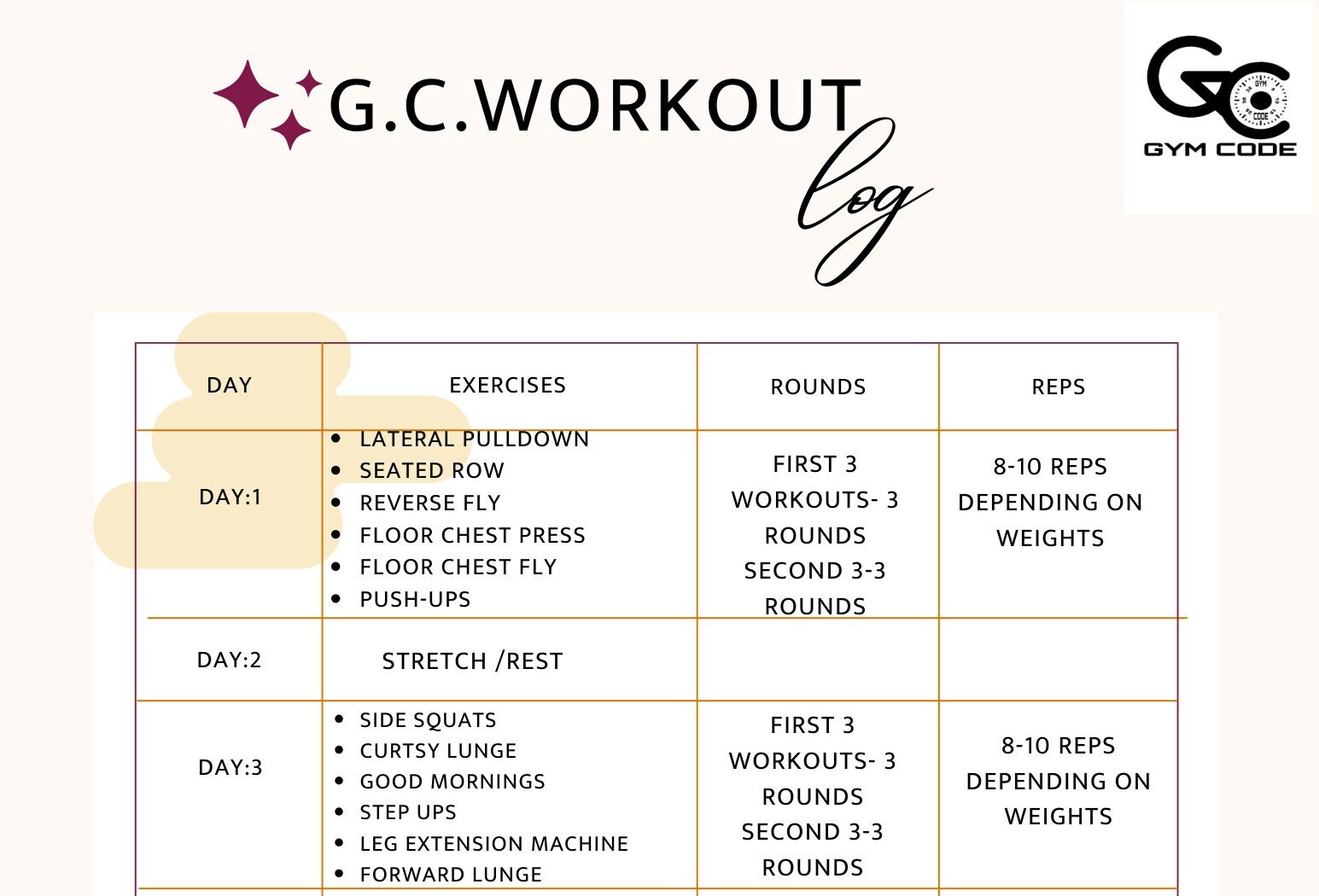
A well-structured workout plan is only effective if it aligns with your daily life. Simply outlining exercises isn’t enough; you need to integrate them seamlessly into your schedule to ensure consistent adherence. This section will explore the crucial elements of scheduling workouts, from considering time constraints to incorporating rest days, ensuring your fitness journey is sustainable and enjoyable.Creating a workout schedule that you can actually stick to is paramount for long-term success.
A plan that feels too rigid or demanding will likely lead to frustration and abandonment. This section details how to tailor your schedule to your lifestyle, making fitness a manageable and enjoyable part of your routine.
Considering Time Constraints and Scheduling Flexibility
A realistic workout plan acknowledges the realities of daily life. Scheduling workouts around work, family commitments, and other obligations is essential for long-term adherence. It’s crucial to be honest about your available time and create a schedule that fits within those boundaries, not the other way around. Flexibility is key; life throws curveballs, and your plan should be adaptable.
Scheduling Workouts for a Busy Lifestyle
Fitting workouts into a busy schedule requires strategic planning. Consider these tips:
- Prioritize: Identify the most important time slots for workouts, considering your energy levels and commitments. This might be a morning workout before work, a midday break, or an evening session.
- Short, Intense Sessions: If time is extremely limited, opt for shorter, more intense workouts. High-intensity interval training (HIIT) is a great option, maximizing results in less time.
- Break It Down: Divide your workout into smaller, more manageable chunks. For example, two 30-minute sessions instead of one 60-minute session. This approach can be particularly useful for those juggling numerous responsibilities.
- Weekends: Schedule longer workouts on weekends to accommodate for potential work or family commitments during the week. This will allow for more comprehensive training sessions.
Importance of Rest Days and Recovery
Rest days are not a sign of weakness but a crucial component of a sound workout plan. Adequate rest allows your muscles to repair and rebuild, preventing injuries and promoting optimal performance. Incorporating rest days into your schedule ensures your body can effectively recover from workouts, preventing burnout and maximizing results.
Allocating Time for Different Types of Workouts
The time allocation for different types of workouts depends on the specific exercises and their intensity. Cardiovascular workouts, for instance, may require a longer duration compared to strength training. Consider the following guidelines:
- Cardio: Allocate at least 30 minutes for moderate-intensity cardio workouts, or shorter bursts of high-intensity intervals.
- Strength Training: Schedule 45-60 minutes for strength training sessions, allowing for adequate time to complete the selected exercises.
- Flexibility and Mobility: Incorporate 15-20 minutes for stretching and mobility exercises to enhance flexibility and reduce the risk of injury.
Sample Weekly Workout Schedule
This sample schedule demonstrates a possible weekly workout routine, incorporating different types of workouts and rest days. Adjust the times and exercises to fit your specific needs and preferences.
| Day | Time | Workout Type | Exercises |
|---|---|---|---|
| Monday | 6:00 AM – 7:00 AM | Strength Training | Squats, Push-ups, Lunges, Rows |
| Tuesday | 6:00 PM – 7:00 PM | Cardio | Running, Cycling, Swimming |
| Wednesday | Rest | Rest | Rest |
| Thursday | 6:00 AM – 7:00 AM | Strength Training | Deadlifts, Bench Press, Overhead Press |
| Friday | 6:00 PM – 7:00 PM | Flexibility and Mobility | Yoga, Pilates, Stretching |
| Saturday | 9:00 AM – 10:00 AM | Cardio | Long-distance running, Hiking |
| Sunday | Rest | Rest | Rest |
Incorporating Warm-up and Cool-down Routines
Warm-up and cool-down routines are crucial components of any effective workout plan, regardless of fitness level. They prepare the body for exercise and help it recover afterward, minimizing the risk of injury and maximizing the benefits of the workout. These routines are essential for injury prevention, improved performance, and overall well-being.Proper warm-up and cool-down routines are not just an afterthought but integral parts of a complete exercise program.
They gradually increase and decrease the intensity of your workout, aiding in the transition between rest and activity. This gradual transition reduces the strain on muscles and joints, lessening the risk of injury.
Importance of Warm-up Routines
Warm-up routines prepare the body for the physical demands of exercise. They increase blood flow to muscles, raise body temperature, and improve flexibility. This, in turn, reduces the risk of muscle strains, tears, and other injuries. A well-structured warm-up routine can also enhance performance by preparing the nervous system for movement and increasing the range of motion in joints.
Examples of Warm-up Exercises
A good warm-up typically includes dynamic stretches, which involve controlled movements that mimic the exercises to be performed in the workout. These can include arm circles, leg swings, torso twists, high knees, butt kicks, and jumping jacks. These actions gradually increase the heart rate and prepare the muscles for the upcoming activity. Static stretches, where you hold a stretch for a period of time, are also beneficial for increasing flexibility and range of motion, but are best incorporated
after* the dynamic warm-up.
Examples of Cool-down Exercises
Cool-down routines are equally important for allowing the body to gradually transition from exercise back to a resting state. They help reduce muscle soreness, prevent blood pooling, and aid in the recovery process. This is accomplished through light cardio and static stretching. Light cardio, such as brisk walking or jogging, helps maintain blood flow and prevents blood from pooling in the lower extremities.
Static stretches, which hold a stretch for a period of time, can increase flexibility and reduce muscle stiffness.
Tailoring Warm-up and Cool-down to Specific Workouts
The specific exercises in a warm-up and cool-down should be tailored to the type of workout. For example, a cardio workout might involve jogging in place or jumping jacks, while a strength training workout might include arm circles and leg swings. The intensity and duration of the warm-up and cool-down should also be adjusted based on the intensity and duration of the workout itself.
A longer, more intense workout will necessitate a longer and more thorough warm-up and cool-down period.
Benefits of Including Warm-up and Cool-down Routines
By incorporating warm-up and cool-down routines into your weekly workout plan, you can experience a multitude of benefits. These include reduced risk of injury, improved workout performance, and enhanced recovery. A consistent routine will help you develop a healthy relationship with exercise, increasing the chances of long-term adherence to your fitness goals.
Table of Warm-up and Cool-down Exercises
| Workout Type | Warm-up Exercises | Cool-down Exercises |
|---|---|---|
| Cardio (Running) | Light jogging in place, arm circles, leg swings, high knees, butt kicks | Brisk walking, static stretches for legs and hips (e.g., hamstring stretch, quad stretch) |
| Strength Training (Weightlifting) | Dynamic stretches for targeted muscle groups (e.g., arm circles, torso twists), light cardio (e.g., jumping jacks) | Static stretches for all major muscle groups worked (e.g., triceps stretch, chest stretch), slow walking |
| Yoga | Gentle movements, flowing poses, cat-cow stretches | Restorative poses, deep breathing, holding static stretches |
Nutrition and Hydration for Optimal Performance
Proper nutrition and hydration are crucial for supporting your workout plan and maximizing your results. They fuel your body, aid in muscle recovery, and contribute significantly to overall well-being. Understanding the interplay between nutrition, hydration, and exercise is key to achieving your fitness goals.
The Role of Nutrition in Supporting Workout Plans
Nutrition plays a vital role in supporting your workout plan. The foods you consume provide the energy your body needs for exercise, the building blocks for muscle repair and growth, and the nutrients for overall health and function. A balanced diet rich in complex carbohydrates, lean proteins, and healthy fats provides sustained energy, supports muscle function, and aids in recovery.
The right nutrients at the right times are essential to optimize your workouts and promote progress.
Pre-Workout Nutrition Guidelines
Pre-workout nutrition is essential for providing the energy needed during your workout. Consuming a meal or snack containing complex carbohydrates and a moderate amount of protein 1-3 hours before your workout can help sustain energy levels and prevent fatigue. This approach ensures your body has the fuel it needs to perform at its best. Avoid foods high in fat or fiber immediately before exercise, as these can cause digestive discomfort.
Post-Workout Nutrition Guidelines
Post-workout nutrition is equally important for muscle recovery and growth. Consuming a meal or snack within 1-2 hours of completing your workout is beneficial for replenishing glycogen stores and promoting muscle protein synthesis. A combination of carbohydrates and protein is ideal to aid in recovery. Examples of suitable post-workout nutrition include protein shakes, Greek yogurt with fruit, or a turkey and whole-wheat sandwich.
Importance of Hydration
Proper hydration is critical for optimal workout performance. Water is essential for transporting nutrients, regulating body temperature, and lubricating joints. Dehydration can lead to fatigue, reduced performance, and even injury. Maintaining adequate hydration before, during, and after workouts is crucial for peak performance.
Hydration Before, During, and After Workouts
Adequate hydration is essential before, during, and after workouts. Before exercise, drink plenty of water several hours beforehand to ensure your body is well-hydrated. During exercise, sip water regularly, especially in warm weather or during longer workouts. After exercise, continue to hydrate by drinking water and other fluids to replenish lost fluids and electrolytes. The specific hydration needs vary depending on individual factors like intensity, duration, and environmental conditions.
Relationship Between Nutrition, Hydration, and Workout Performance
The relationship between nutrition, hydration, and workout performance is undeniable. Proper nutrition provides the fuel for exercise, while hydration facilitates the transportation of nutrients and regulates body temperature. Adequate nutrition and hydration work together to support muscle function, recovery, and overall performance. Inadequate intake of either can lead to decreased performance, fatigue, and impaired recovery.
Healthy Foods to Consume Before, During, and After Workouts
A balanced diet is key to fueling your body effectively.
Maintaining proper nutrition and hydration is critical for optimal performance.
| Time | Food Suggestions |
|---|---|
| Pre-Workout (1-3 hours before) | Complex carbohydrates (whole-grain bread, oatmeal), lean protein (chicken breast, fish), fruits (bananas, berries) |
| During Workout (if needed) | Sports drinks, water, small amounts of energy gels |
| Post-Workout (within 1-2 hours) | Protein powder, Greek yogurt, turkey sandwich, whole-grain pasta with vegetables, fruits |
Monitoring Progress and Adjusting the Plan
Staying on track with your fitness journey requires consistent monitoring and adjustments to your workout plan. This proactive approach allows you to identify areas needing improvement and adapt your routine as your fitness level evolves. Regular evaluation ensures that your efforts remain effective and sustainable over time.Understanding your progress is crucial for long-term success. This involves tracking your performance, identifying areas where you’re excelling or falling short, and making informed decisions about how to refine your plan.
By meticulously monitoring your progress, you can pinpoint specific areas needing attention and adjust your approach accordingly, leading to optimal results.
Tracking Workout Progress
Monitoring your progress is essential to gauge the effectiveness of your workout plan and identify areas for improvement. Choosing appropriate methods for tracking your workouts empowers you to evaluate your performance and tailor your plan to achieve your fitness goals. This involves logging key data points related to your workouts.
- Workout Journals: Maintaining a workout journal provides a tangible record of your exercises, sets, reps, and weights lifted. This detailed record allows for a comprehensive overview of your progress over time, allowing for comparisons between different workouts and identifying trends.
- Fitness Apps: Many fitness apps offer comprehensive tracking features that automatically log your workouts, providing data on calories burned, distance covered, and other metrics. These apps frequently offer insights into your progress through graphs and charts, which can be highly motivating and insightful.
- Fitness Trackers: Wearable fitness trackers monitor various metrics such as steps taken, heart rate, and sleep patterns. These devices can supplement workout journals and apps, providing a holistic view of your overall fitness and well-being.
Adjusting the Workout Plan
Regularly reviewing your workout plan is essential for optimal results. The fitness plan should be flexible and adaptable to accommodate changes in your fitness level and goals. This involves analyzing your progress and making necessary adjustments.
- Progress Evaluation: Regularly assess your progress based on the data collected through your chosen methods. Identifying areas where you’re exceeding expectations or falling behind is critical for tailoring your routine. For example, if you’re consistently meeting your bench press targets, but struggling with squats, you might need to dedicate more time to leg workouts.
- Feedback Incorporation: Seek feedback from a fitness professional or trusted workout partner. This external perspective can offer valuable insights into your form, technique, and overall strategy. Constructive criticism can highlight potential areas for improvement that you might not notice yourself.
- Plan Modification: Based on the progress evaluation and feedback, modify your workout plan. Increase the intensity, duration, or frequency of your workouts, or add new exercises as your fitness level progresses. If you’re consistently struggling with a particular exercise, try altering the technique or reducing the weight to maintain proper form.
Adapting to Fitness Level Changes
Your fitness level will fluctuate over time, necessitating adjustments to your workout plan. This necessitates a flexible approach to exercise.
| Fitness Level | Workout Plan Adjustments |
|---|---|
| Beginner | Start with shorter workout durations and lower intensity levels. Focus on proper form and gradually increase the challenge. |
| Intermediate | Increase workout duration and intensity. Introduce more complex exercises and higher weights. Incorporate interval training or circuit workouts. |
| Advanced | Maintain high intensity and long durations. Explore advanced exercises and techniques, such as plyometrics or Olympic lifts. Focus on specialized training for specific goals. |
Addressing Common Challenges and Mistakes
Creating a workout plan can be a rewarding journey, but it’s not always smooth sailing. Understanding potential obstacles and common pitfalls is crucial for sustained success. This section Artikels frequent challenges and provides practical solutions to help you navigate the process effectively.
Common Challenges in Workout Planning
Many individuals face obstacles when trying to establish a consistent workout routine. These challenges range from motivational issues to practical constraints. Common concerns include lack of time, difficulty finding motivation, and adjusting to new routines. Furthermore, understanding one’s fitness level and selecting appropriate exercises are critical. Finally, sticking to the plan over the long term can be a significant hurdle.
Overcoming Challenges
Overcoming these hurdles requires a proactive and adaptable approach. Prioritize finding realistic workout durations that fit into your schedule. To boost motivation, set achievable goals and reward yourself for progress. Start slowly, gradually increasing the intensity and duration of your workouts. This will aid in adapting to the new routine and avoid burnout.
Furthermore, seek support from friends, family, or a fitness professional to stay motivated.
Common Mistakes in Workout Planning
Designing an effective workout plan involves more than just choosing exercises. Errors in planning can hinder progress and lead to frustration. Inadequate warm-up and cool-down routines can increase the risk of injury. Failure to adjust the plan based on progress can result in plateauing. Furthermore, ignoring proper nutrition and hydration can negatively impact performance and recovery.
Solutions for Common Problems in Workout Planning
Addressing these mistakes requires a strategic approach. Allocate sufficient time for warm-up and cool-down routines, and incorporate them into each workout session. Monitor your progress regularly and adjust the plan accordingly to avoid plateaus. Prioritize a balanced diet and adequate hydration to optimize performance and recovery.
Common Mistakes and Solutions
Effective workout plans require careful consideration of various factors.
- Inadequate warm-up and cool-down routines: This can increase the risk of injury. Solutions include dedicating 5-10 minutes to dynamic stretches before each workout and static stretches after each workout.
- Failure to adjust the workout plan based on progress: A stagnant plan can lead to plateaus. Solutions include regularly assessing fitness levels and modifying the plan’s intensity and duration accordingly.
- Ignoring proper nutrition and hydration: These are crucial for optimal performance and recovery. Solutions include consuming a balanced diet rich in protein, fruits, and vegetables and maintaining adequate water intake.
- Lack of consistency: Consistency is key to seeing results. Solutions include scheduling workouts in your calendar, making them non-negotiable appointments, and finding workout partners for accountability.
- Choosing exercises beyond current fitness levels: This can lead to injury and demotivation. Solutions include starting with exercises that challenge you appropriately and gradually increasing the intensity as your fitness level improves.
- Not setting realistic goals: Unrealistic goals lead to disappointment. Solutions include setting achievable goals that align with your current fitness level and gradually increasing the difficulty as you progress.
Resources for Further Learning
Staying informed and engaged in your fitness journey is crucial for long-term success. Expanding your knowledge base can lead to a deeper understanding of various training methodologies and nutritional strategies, enabling you to tailor your workout plan to your specific needs and goals. This section provides valuable resources to continue learning and refining your fitness approach.
Reliable Websites and Articles
Numerous websites and articles offer insightful information on workout planning, nutrition, and exercise science. These resources provide practical guidance and diverse perspectives, complementing the foundational knowledge already presented. Reliable sources offer evidence-based information, backed by scientific research and expert opinions, allowing you to make informed choices about your fitness routine.
- National Institutes of Health (NIH): The NIH website provides a wealth of information on health and wellness, including articles on exercise, nutrition, and various health conditions. This resource is particularly valuable for its comprehensive and up-to-date scientific research findings.
- Mayo Clinic: The Mayo Clinic offers detailed articles and resources on a wide range of health topics, including fitness and exercise. Their content is frequently reviewed by medical professionals, ensuring accuracy and reliability.
- American College of Sports Medicine (ACSM): ACSM is a leading organization dedicated to advancing the science and practice of sports medicine and exercise science. Their website contains extensive research, articles, and guidelines that offer a deeper understanding of exercise physiology and training principles.
- Harvard Health Publishing: Harvard Health Publishing provides accessible and credible health information, including articles on exercise, nutrition, and various health conditions. Their content is often written by experts in the field, making it a valuable resource for learning.
Books on Exercise and Fitness
Reading books can provide a deeper understanding of exercise principles, training techniques, and nutritional strategies. These resources often offer comprehensive overviews and practical advice for improving fitness and achieving specific goals.
- “The Complete Guide to Exercise” by [Author Name]: This book offers a comprehensive overview of various exercises, training techniques, and exercise programs suitable for individuals of different fitness levels and goals. It may include detailed descriptions, examples, and practical applications.
- “Eat This, Not That” by [Author Name]: This book focuses on providing evidence-based nutrition advice and guidance on choosing healthy foods. It provides practical dietary recommendations and meal plans that align with various fitness goals.
Podcasts on Exercise and Fitness
Podcasts provide a convenient way to learn about fitness and exercise while on the go. These resources often feature interviews with experts, discussions on current research, and practical tips for improving fitness and achieving goals.
- “The Fitness Marshall” by [Host Name]: This podcast frequently features interviews with experts in the field of fitness and exercise. It often delves into various training techniques, nutrition strategies, and exercise science principles.
- “The Joe Rogan Experience” by [Host Name]: This podcast often features interviews with experts in various fields, including fitness and exercise. While not exclusively focused on fitness, it can offer diverse perspectives and insights.
Additional Resources
This list expands upon existing resources, including online communities, fitness apps, and professional certifications. These supplementary resources provide further opportunities for learning and personal development in the realm of fitness.
- Online Fitness Communities: Online forums and groups dedicated to fitness provide opportunities to connect with other individuals, share experiences, and learn from others’ successes and challenges.
- Fitness Apps: Numerous fitness apps offer personalized workout plans, tracking features, and educational resources. These apps can help users monitor their progress and adapt their routines to their needs.
- Professional Certifications: Obtaining professional certifications in areas such as personal training or nutrition can significantly enhance knowledge and expertise in the field of fitness.
End of Discussion
In conclusion, creating a weekly workout plan is a personalized journey that blends understanding your fitness level with practical scheduling and mindful exercise selection. Remember to prioritize rest and recovery, adjust your plan as you progress, and seek support when needed. This guide provides a roadmap for a sustainable and effective workout routine that you can confidently follow towards achieving your fitness objectives.
FAQ Insights
What are some common mistakes people make when designing a weekly workout plan?
Overtraining, neglecting warm-up and cool-down, not adjusting the plan as fitness levels change, and not considering rest days are common pitfalls. Prioritizing consistency and listening to your body is key.
How can I track my workout progress effectively?
Use a workout journal, fitness apps, or a combination of both to monitor your exercises, sets, reps, and rest times. Regularly assess your performance and adjust the plan accordingly.
What’s the ideal duration of a workout for beginners?
For beginners, aim for 20-30 minutes of moderate-intensity exercise, gradually increasing the duration and intensity as fitness improves. Listen to your body and adjust as needed.
How can I modify exercises to suit different fitness levels?
Adjust the number of sets, reps, and the intensity of exercises to accommodate various fitness levels. Modifications might involve using lighter weights, fewer reps, or adjusting the tempo of exercises.