
Choosing the right bike depends heavily on your riding style and intended terrain. This comparison explores the key differences between road bikes and mountain bikes, helping you decide which best suits your needs. From the sleek lines of a road bike to the rugged build of a mountain bike, each offers unique advantages. Understanding these contrasts is crucial to selecting the perfect machine for your adventures.
Road bikes excel on paved surfaces, designed for speed and efficiency. Mountain bikes, conversely, are built for navigating diverse terrains, from smooth trails to challenging climbs. Factors like frame material, tire type, and gear configuration all play a role in determining the optimal bike for a particular rider.
Introduction to Road Bikes and Mountain Bikes
Road bikes and mountain bikes, while both bicycles, cater to vastly different riding styles and terrains. Understanding their distinct features is crucial for selecting the right bike for your needs. Road bikes excel on paved surfaces, while mountain bikes are designed for tackling rougher, more challenging terrain.Road bikes are optimized for speed and efficiency on smooth, paved surfaces, while mountain bikes prioritize durability and maneuverability over paved and unpaved terrain.
This fundamental difference in design, components, and intended use shapes the experience for each type of rider.
Road Bikes
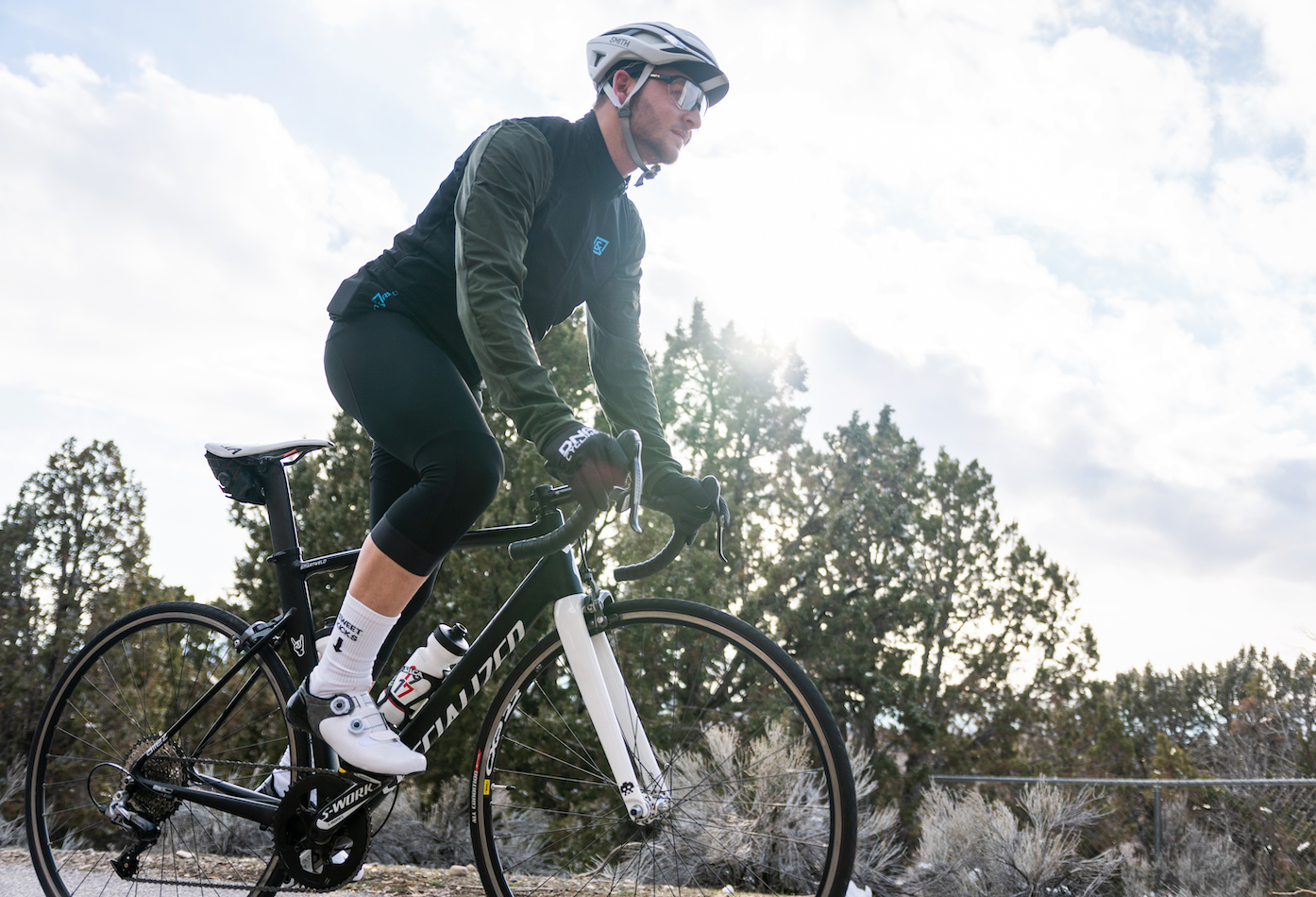
Road bikes are meticulously crafted for speed and efficiency on paved roads. Their lightweight frames, often constructed from carbon fiber or aluminum, contribute to a nimble handling experience. Aerodynamic tubing shapes further enhance speed by reducing wind resistance. Narrow, slick tires minimize rolling resistance, enabling a swift pace. Road bikes typically feature multiple gears to adjust for varying terrain gradients.
The components, from handlebars to brakes, are engineered for lightweight responsiveness, allowing riders to maintain high speeds and sustain long rides. A road bike’s primary purpose is long-distance riding and commuting.
Mountain Bikes
Mountain bikes are designed for traversing rugged terrain. Their robust frames, typically made from steel or aluminum, provide exceptional durability and strength. Durable components like sturdy cranks, strong brakes, and extra-wide tires ensure that riders can handle obstacles such as rocks, roots, and uneven surfaces. Wider tires provide grip and traction on varied terrain. The geometry of a mountain bike is more upright and stable, allowing for greater control and stability over uneven surfaces.
While they have fewer gears compared to road bikes, the gear ratios are geared towards power and control on climbs and descents. The main purpose of a mountain bike is to navigate varied off-road trails and enjoy adventures in nature.
Comparison of Road Bikes and Mountain Bikes
Key Differences in Design and Components
Road bikes and mountain bikes, while both bicycles, are designed for vastly different purposes. This difference in intended use translates directly into distinct design choices impacting their performance and functionality. Understanding these differences is crucial for selecting the right bike for your needs.Road bikes prioritize speed and efficiency on paved surfaces, while mountain bikes excel at tackling varied terrain.
This fundamental difference in design philosophy is reflected in their frame geometry, component choices, and overall construction.
Frame Geometry and Performance
Road bike frames are typically designed for aerodynamic efficiency and light weight. A more upright riding position and a lower center of gravity contributes to speed and control. The frame geometry often features a shorter wheelbase and a more compact design, reducing weight and optimizing pedaling efficiency. This design allows for a quicker acceleration and higher top speed.
Mountain bike frames, on the other hand, are built for strength and durability. They need to withstand the rigors of off-road riding, so they are often constructed from stronger materials and have a more robust design. A longer wheelbase and slacker head angles provide stability and maneuverability on uneven terrain.
Tire Types, Widths, and Tread Patterns
Road bikes utilize narrow tires with smooth treads. These tires provide low rolling resistance, crucial for maximizing speed on smooth surfaces. Conversely, mountain bikes employ wide tires with knobby treads. These wider tires provide increased traction and cushioning on varied terrain. The difference in tire widths and tread patterns is directly correlated to the intended use of the bike.
The wider tires of mountain bikes provide more grip, allowing for better control over rough surfaces. The narrower tires of road bikes provide lower rolling resistance for faster speeds on smooth surfaces.
Braking Systems
Road bikes often use rim brakes, although disc brakes are becoming increasingly common. Rim brakes are simpler and lighter but can be less powerful in heavy braking situations. Mountain bikes almost exclusively use disc brakes, which offer superior braking power and modulation, even in wet or muddy conditions. This is essential for the added control required when navigating challenging terrain.
Disc brakes provide a consistent braking performance that is crucial in demanding off-road environments.
Drivetrain Components
Road bike drivetrains are optimized for speed and efficiency. They usually feature a smaller number of gears, allowing for a more compact and lightweight design. The gear ratios are often designed to allow a smoother transition between gears, leading to a more efficient pedaling experience. Mountain bike drivetrains are designed to provide a wide range of gear ratios, necessary for navigating steep inclines and descents.
The additional gears offer a wider range of capabilities to deal with various terrain gradients.
Suspension Systems
Road bikes generally lack suspension systems. The rigid nature of the frame and components is critical to achieving the low weight and high efficiency that define road bike performance. Mountain bikes, however, incorporate suspension forks, sometimes even rear suspension, to absorb shocks and vibrations from uneven terrain. This suspension system significantly improves comfort and control when riding over obstacles.
Component Comparison Table
| Component | Road Bike | Mountain Bike |
|---|---|---|
| Frame | Lighter, aerodynamic | Stronger, durable |
| Fork | Rigid | Suspension |
| Tires | Narrow, smooth | Wide, knobby |
| Brakes | Rim/disc | Disc |
| Drivetrain | Optimized for speed | Optimized for terrain |
Considerations for Choosing the Right Bike
Deciding between a road bike and a mountain bike hinges on understanding your individual needs and riding preferences. Careful consideration of factors like intended use, terrain, fitness level, and budget will guide you towards the optimal choice. Ultimately, the best bike is the one that aligns perfectly with your riding style and goals.Choosing the right bike isn’t just about aesthetics; it’s about functionality and suitability.
Understanding the nuances of each type, from the road bike’s aerodynamic design to the mountain bike’s robust suspension, will help you make an informed decision. This section delves into the critical aspects to consider when making your selection.
Riding Style
Identifying your preferred riding style is paramount. Do you envision yourself on paved roads, tackling challenging climbs, or exploring rugged trails? A road bike excels on paved surfaces, while a mountain bike is designed for varied terrains. Consider if you’re aiming for leisurely rides, competitive races, or adventurous explorations. Knowing your desired riding style helps narrow down the options and ensure you choose a bike that will genuinely enhance your experience.
Terrain
The type of terrain you’ll be riding on is a critical factor. Flat, paved roads are ideal for road bikes, while mountain bikes excel on trails, dirt roads, and rough terrain. If your rides often involve gravel paths, a gravel bike might be a suitable alternative. Evaluating the typical surface conditions of your rides is essential in determining the appropriate bike type.
Fitness Level and Experience
Your fitness level and experience level significantly influence the type of bike you should choose. Beginners might benefit from a more forgiving and stable bike, whereas experienced riders might opt for a bike that provides greater performance and responsiveness. Consider your current fitness level and anticipated training goals. This will help you select a bike that provides an optimal balance between challenge and comfort.
Budget
Budget plays a crucial role in the bike selection process. Road bikes and mountain bikes are available in a wide range of price points, from entry-level models to high-end professional options. Determine your budget beforehand and research the features and quality offered in different price ranges. A bike within your budget will ensure you receive the desired performance and features without exceeding your financial constraints.
Experience Level
Your experience level significantly impacts the bike you should choose. Novices may benefit from a more stable and forgiving bike, while experienced riders might prefer a bike that allows for greater control and precision. Beginners might find a basic road bike or mountain bike suitable for their skill level, whereas experienced riders may want to invest in a more advanced model with specialized features.
Factors to Consider When Selecting a Road or Mountain Bike
| Factor | Description |
|---|---|
| Riding Style | Consider your preferred riding style, from road riding to gravel riding, cross-country, or downhill. |
| Terrain | Assess the typical terrain you’ll be riding on, from paved roads to hilly roads, trails, and off-road paths. |
| Fitness Level | Evaluate your fitness level to choose a bike that aligns with your current abilities and training goals. |
| Budget | Determine your budget and research the features and quality offered in different price ranges. |
| Experience Level | Consider your experience level to select a bike that offers the right balance of control, stability, and responsiveness. |
Maintenance and Care
Source: shopify.com
Maintaining both road and mountain bikes involves regular checks and specific procedures tailored to each type. Proper upkeep not only extends the lifespan of your bike but also ensures optimal performance and safety. Neglecting maintenance can lead to costly repairs and potentially dangerous situations.Regular maintenance is key to keeping your bike in top condition. Addressing small issues promptly prevents them from escalating into major problems.
This proactive approach also allows you to enjoy your rides without unexpected breakdowns.
Road Bike Maintenance
Regular checks are essential for road bikes, focusing on the components most susceptible to wear and tear. Proper maintenance ensures smooth shifting, efficient braking, and a reliable ride.
- Chain Lubrication: Road bike chains require regular lubrication to prevent rust and maintain smooth shifting. A dry chain can cause significant wear on the gears. Using the correct lubricant is crucial; specific chain lubricants are available for road bikes.
- Gear Shifting Inspection: Inspecting the shifting mechanism and cables for any signs of wear or damage is important. Sticky or misaligned gears can lead to inconsistent shifting and frustration. Proper lubrication and adjustment of the cables are necessary.
- Brakes Inspection: Regular brake inspections are critical for road bikes. Ensure the brake pads have sufficient thickness and are properly adjusted for optimal stopping power. Inspect the brake cables and levers for any signs of damage or wear.
- Wheel Trueness: Wheel trueness is essential for a smooth ride. Check for any signs of wobble or misalignment. Professional bike shops can accurately measure and adjust wheel trueness.
Mountain Bike Maintenance
Mountain bikes, due to their use in more challenging terrains, require more frequent maintenance compared to road bikes. The components are subjected to greater stress and potential damage.
- Suspension Check: Mountain bike suspension systems require regular checks. Inspect for proper damping and spring tension. Incorrect suspension settings can affect the handling and performance of the bike.
- Brakes Inspection: Mountain bike brakes are often subjected to greater force. Frequent inspection of brake pads and calipers is essential. The increased braking demands mean regular maintenance is critical for safety.
- Chain Lubrication: Mountain bike chains are subjected to more dirt and debris. Regular lubrication is vital to prevent wear and maintain smooth shifting. Specialized mountain bike lubricants are recommended to provide optimal protection against dirt and grime.
- Wheel Trueness: Wheel trueness is also important for mountain bikes. Frequent checks, especially after rough terrain rides, are recommended. Mountain bike wheels can be more susceptible to damage from rocks and roots.
Common Road Bike Issues and Solutions
- Problem: Difficult shifting.
- Solution: Check and lubricate the derailleurs and cables. Adjust the derailleurs for proper alignment.
- Problem: Poor braking performance.
- Solution: Inspect the brake pads for wear. Adjust brake cable tension and caliper alignment.
- Problem: Wobbly wheels.
- Solution: Inspect and tighten wheel spokes. Consider taking the wheels to a professional bike mechanic for truing.
Common Mountain Bike Issues and Solutions
- Problem: Poor suspension performance.
- Solution: Adjust the suspension settings according to the terrain and rider weight. Check for leaks or damage to the seals.
- Problem: Excessive brake squealing.
- Solution: Clean the brake pads and calipers. Check for brake pad wear. Adjust the brake cable tension if necessary.
- Problem: Loose chain.
- Solution: Tighten the chain using the chain tool. Ensure the chain is correctly adjusted and aligned with the sprockets.
Storage and Protection
Proper storage protects your bike from damage and extends its lifespan.
- Protection: Store your bike in a dry and secure location, away from direct sunlight and extreme temperatures. Use a bike cover to protect it from dust and debris.
- Security: Secure your bike with a sturdy lock to prevent theft. Consider a combination of locks for added security.
Outcome Summary

Source: gearforventure.com
In conclusion, selecting between a road bike and a mountain bike hinges on understanding your intended use. Road bikes prioritize speed and efficiency on paved surfaces, while mountain bikes are built for handling varied terrains. Consider your riding style, terrain preferences, budget, and experience level when making your decision. This comparison provides the necessary insights to guide you towards the ideal bike for your next cycling adventure.
FAQ Corner
What are the key differences in braking systems?
Road bikes often feature rim brakes, while mountain bikes typically utilize disc brakes. Disc brakes provide greater stopping power and are more reliable in wet or muddy conditions. Rim brakes are generally lighter but may require more maintenance.
How does the type of terrain impact bike selection?
Paved roads and smooth surfaces favor road bikes. Mountain bikes excel on varied terrains, including trails, gravel paths, and off-road sections. Choosing the right bike depends entirely on the type of riding you plan to do.
What is the role of suspension in mountain biking?
Mountain bikes often feature suspension forks that absorb shocks and vibrations from rough terrain. This makes riding over bumps and obstacles much more comfortable and controlled. Road bikes, lacking suspension, are designed for smooth surfaces, allowing for a more direct transfer of energy.
What are some maintenance tips for road bikes?
Regular cleaning, lubrication of moving parts, and checking tire pressure are essential for road bikes. Inspecting the drivetrain for wear and tear and maintaining the brake pads are also important steps to ensure optimal performance.