
Unlocking your peak productivity often starts with the morning. This exploration dives into the transformative power of morning workouts, revealing how they can elevate your daily performance and contribute to a more fulfilling day. From enhanced focus to increased energy, we’ll delve into the science behind these benefits and practical strategies for incorporating them into your routine.
Morning workouts aren’t just about physical fitness; they’re about cultivating a mindset that sets the stage for success. This guide will show you how to integrate exercise into your morning routine effectively, transforming your daily tasks into streamlined achievements.
Introduction to Morning Workouts and Productivity
Morning workouts are increasingly recognized as a powerful tool for boosting productivity. The benefits extend beyond physical well-being, impacting cognitive function, focus, and overall efficiency throughout the day. By incorporating a morning exercise routine, individuals can establish a positive momentum that carries over into their work and personal responsibilities. This proactive approach fosters a healthier and more productive lifestyle.A consistent morning workout routine can cultivate a sense of accomplishment and discipline.
This, in turn, can translate into increased focus and efficiency in tackling daily tasks. By prioritizing physical well-being, individuals pave the way for a more productive and fulfilling day. The positive feedback loop between physical activity and mental clarity further enhances the impact of morning workouts on overall productivity.
The Connection Between Morning Workouts and Increased Productivity
Morning workouts directly influence productivity by enhancing various cognitive functions. Exercise improves blood flow to the brain, providing increased oxygen and nutrients, which, in turn, promotes alertness and focus. The release of endorphins during exercise has a mood-boosting effect, reducing stress and anxiety, which can significantly impact concentration and decision-making. This positive physiological response translates to better performance in handling daily tasks.
Potential Benefits of Morning Exercise
The benefits of incorporating morning exercise into a daily routine are numerous and impactful. Morning workouts establish a healthy habit, setting a positive tone for the entire day. This structured approach to the day can lead to improved time management skills, as well as a greater sense of control and accomplishment. This, in turn, creates a more proactive and organized approach to daily responsibilities.
Examples of Impact on Daily Tasks
Morning workouts can positively influence daily tasks in several ways. For example, individuals may experience enhanced concentration during meetings, improved communication skills during interactions with colleagues, and increased efficiency in completing work projects. Similarly, improved physical health can translate to better energy levels, enabling individuals to approach personal responsibilities with renewed vigor.
Physical and Mental Benefits of Morning Exercise
| Benefit Category | Specific Benefit | Explanation | Impact on Productivity |
|---|---|---|---|
| Physical | Increased Energy | Exercise increases blood flow and oxygen delivery, leading to higher energy levels throughout the day. | Increased motivation and sustained focus during work hours. |
| Physical | Improved Cardiovascular Health | Regular exercise strengthens the heart and improves blood circulation, reducing the risk of cardiovascular diseases. | Enhanced stamina and endurance for completing tasks efficiently. |
| Mental | Reduced Stress and Anxiety | Exercise releases endorphins, which have mood-boosting effects, reducing stress and anxiety levels. | Improved decision-making abilities and enhanced problem-solving skills. |
| Mental | Improved Mood | Exercise promotes the release of neurochemicals associated with positive emotions, leading to improved mood. | Increased positivity and optimism, contributing to a more productive work environment. |
| Mental | Enhanced Focus and Concentration | Improved blood flow to the brain during exercise enhances cognitive function, improving focus and concentration. | Increased efficiency in completing tasks and better performance in meetings. |
Improved Focus and Concentration
Morning workouts can significantly boost focus and concentration throughout the day. This improvement stems from a variety of physiological responses that positively affect cognitive function. Regular physical activity, particularly in the morning, primes the brain for optimal performance, allowing for clearer thinking and sustained attention.Morning exercise enhances focus and concentration by increasing blood flow to the brain, delivering oxygen and nutrients crucial for optimal cognitive function.
This heightened blood flow supports the brain’s metabolic needs, creating a conducive environment for sustained attention and mental clarity. The release of endorphins during exercise also contributes to a sense of well-being, reducing stress and anxiety, which are often significant impediments to focus.
Physiological Mechanisms Linking Exercise to Cognitive Function
Exercise triggers a cascade of physiological responses that positively impact brain function. Increased blood flow delivers oxygen and essential nutrients to brain cells, promoting their growth and repair. Furthermore, exercise stimulates the release of neurotrophic factors, like brain-derived neurotrophic factor (BDNF), which are vital for the survival, growth, and function of neurons. This process strengthens neural connections, improving cognitive function and memory.
“Studies have shown a strong correlation between regular physical activity and improved cognitive performance, including enhanced attention span and problem-solving abilities.”
The reduction in stress hormones like cortisol also contributes to a more focused state of mind.
Comparison to Other Focus Improvement Methods
While morning workouts are highly effective, they are not the only avenue for improving concentration. Other methods like meditation and mindfulness practices also contribute to enhanced focus. However, their mechanisms and impact on the body differ.
| Method | Time of Day | Effect on Focus | Mechanisms |
|---|---|---|---|
| Morning Workouts | Morning | Improved sustained attention, enhanced cognitive flexibility | Increased blood flow, neurotrophic factor release, reduced stress hormones |
| Meditation | Any time | Reduced mind-wandering, improved attentional control | Increased focus, regulation of the parasympathetic nervous system, reduction of stress |
| Mindfulness Practices | Any time | Enhanced present-moment awareness, improved emotional regulation | Improved attentional control, decreased reactivity to distractions |
The table above highlights the differences in the time of day for each method, and the associated impact on focus. Morning workouts are particularly effective for sustained attention, while meditation and mindfulness are more useful for immediate concentration and emotional regulation.
Enhanced Energy Levels and Mood
Morning workouts significantly impact not only physical but also mental well-being. The positive effects extend beyond the initial physical exertion, influencing energy levels and emotional state throughout the day. This enhanced energy and improved mood contribute significantly to overall productivity.Morning exercise triggers a cascade of physiological responses that contribute to increased energy and a more positive mood. Endorphins, natural mood boosters, are released during physical activity, leading to feelings of well-being and reduced stress.
Furthermore, the improved sleep quality often associated with regular exercise contributes to sustained energy levels throughout the day.
Impact of Endorphins on Mood and Stress Reduction
Endorphins, the body’s natural pain relievers and mood elevators, are released during and after exercise. This release creates a positive feedback loop, reducing stress and promoting feelings of happiness and well-being. The impact of endorphins can be profound, acting as a natural stress reliever and contributing to a more positive outlook. Studies have shown a strong correlation between regular physical activity and a reduction in symptoms of anxiety and depression.
Correlation Between Exercise and Improved Sleep Quality
Regular exercise, especially in the morning, can significantly improve sleep quality. Physical exertion helps regulate the body’s natural sleep-wake cycle, leading to deeper, more restorative sleep. However, timing is crucial. Vigorous exercise too close to bedtime can sometimes have the opposite effect. Prioritizing a morning workout can promote better sleep patterns, leading to more energy and alertness throughout the day.
Comparison of Morning Workout Routines
| Routine | Duration (minutes) | Energy Level Impact | Mood Impact |
|---|---|---|---|
| Running | 30-60 | High, sustained energy throughout the morning and afternoon | Positive, energized, and focused mood |
| Yoga | 30-60 | Moderate, steady energy throughout the morning | Calm, focused, and relaxed mood |
| Strength Training | 45-90 | High, sustained energy throughout the day | Positive, motivated, and strong mood |
| Brisk Walking | 30-45 | Moderate, sustained energy throughout the morning and early afternoon | Positive, relaxed, and confident mood |
Increased Motivation and Discipline
Starting your day with a workout can significantly impact your motivation and discipline throughout the day. This positive momentum often carries over into other areas of life, leading to a more productive and fulfilling day. The act of completing a challenging physical task early in the day instills a sense of accomplishment, setting the stage for tackling other responsibilities with renewed energy and focus.Cultivating discipline through consistent morning workouts establishes a routine that transcends mere physical exercise.
This routine becomes a keystone habit, reinforcing self-control and commitment to personal goals. In contrast, starting the day with less demanding activities, such as checking emails or social media, often leads to a feeling of being overwhelmed or less focused, hindering motivation for more significant tasks later on. This contrast highlights the crucial role of proactive exercise in establishing a positive and productive mindset.
Morning Workouts and Daily Task Completion
Morning workouts, when integrated into a daily routine, cultivate a strong sense of accomplishment and discipline. This initial success often fuels motivation for tackling subsequent tasks. A successful workout sets a tone of accomplishment, fostering a belief in one’s ability to achieve goals, thereby boosting motivation for other daily activities. This positive feedback loop is a powerful driver of sustained discipline and motivation.
For example, someone who consistently completes a morning run might find it easier to meet deadlines at work or complete household chores with greater efficiency.
Comparison with Other Morning Activities
Starting the day with exercise provides a distinct advantage over alternative morning activities. While checking emails or browsing social media might feel like productive uses of time, these activities often lead to a feeling of being reactive to external demands rather than proactive in achieving personal goals. A workout, on the other hand, empowers the individual to take control of their day by prioritizing personal well-being and building discipline.
This proactive approach creates a foundation for tackling the day’s challenges with greater focus and motivation. For instance, a person who begins the day with a 30-minute yoga session might feel a greater sense of control and energy compared to someone who spends the same time scrolling through news feeds.
Examples of Setting a Positive Tone
Morning workouts act as a powerful catalyst for establishing a positive tone for the entire day. The feeling of accomplishment and physical well-being translates into greater mental clarity and emotional stability. This enhanced mental state facilitates more effective communication, improved decision-making, and a generally more positive outlook on tasks and challenges throughout the day. A successful morning workout is like a springboard for success, setting the stage for tackling more demanding activities with resilience and determination.
For instance, an athlete who completes a rigorous morning training session may be better equipped to handle intense pressure and focus during a competition.
Workout Routines and Their Impact
| Routine | Duration | Motivation Impact | Discipline Impact |
|---|---|---|---|
| Yoga | 30 minutes | Calming and focused; promotes mental clarity | Builds mindfulness and self-discipline |
| Running | 45 minutes | Provides a significant energy boost; creates a sense of accomplishment | Develops consistency and time management skills |
| Strength Training | 60 minutes | Boosts confidence and energy; creates a sense of physical strength | Enhances commitment and perseverance |
| HIIT (High-Intensity Interval Training) | 20 minutes | Provides an immediate surge of energy and motivation | Develops discipline in managing intense bursts of effort |
Time Management and Productivity

Source: suaveyou.com
Morning workouts can significantly enhance time management skills and boost overall productivity. By incorporating exercise into the morning routine, individuals can establish a structured and focused approach to their day, leading to greater efficiency and accomplishment. This structured approach allows for better prioritization of tasks and a more effective allocation of time throughout the day.Establishing a morning workout routine, even a short one, helps to set a positive tone for the entire day.
This positive momentum carries over into other aspects of daily life, including time management. By dedicating time to physical activity, individuals cultivate a sense of discipline and commitment, which are vital components of effective time management.
Optimizing Time Use with Morning Workouts
Morning workouts, when integrated strategically into daily schedules, can optimize time use in several ways. A dedicated workout period provides a structured block of time, ensuring that this important aspect of well-being isn’t sacrificed to other commitments. The focused energy and mental clarity gained from exercise can improve concentration and decision-making, ultimately leading to more productive work sessions.
Strategies for Incorporating Morning Workouts into a Busy Schedule
Implementing a morning workout routine into a busy schedule requires careful planning and strategic adjustments. One crucial strategy is to prioritize exercise by scheduling it in the same way as any other important appointment. This ensures it’s given the necessary consideration and time. Another important strategy is to choose a workout duration that fits individual needs and available time.
Starting with a shorter workout and gradually increasing the duration as fitness levels improve is a practical approach. Furthermore, integrating workouts with other morning activities can streamline the routine, for instance, combining exercise with breakfast preparation or travel time.
Designing a Time-Optimized Morning Routine
| Routine | Duration | Time Management Strategies | Scheduling Considerations |
|---|---|---|---|
| Quick 15-minute Yoga Session | 15 minutes | Prioritize this time as an appointment; use a timer. Focus on mindfulness to reduce distractions. | Schedule this before a demanding task or meeting. |
| 30-minute brisk walk/jog | 30 minutes | Combine with commute time or errands. Use pre-planned routes to avoid time wasted on route selection. | Factor in travel time and potential traffic delays. |
| 45-minute strength training session | 45 minutes | Plan this routine around a quieter time of day, when you can focus on the exercises. Use a pre-made workout plan to optimize efficiency. | Consider using workout videos or apps to stay on schedule and manage time. |
| 60-minute HIIT workout | 60 minutes | Schedule this workout for a time when you are at your peak energy levels. Ensure you have a dedicated workout space. | This workout may require a specific location and equipment. Plan accordingly. |
Types of Morning Workouts and Their Effects
Morning workouts can significantly enhance productivity and overall well-being. Choosing the right type of exercise is crucial for maximizing benefits and ensuring enjoyment. The variety of options available caters to diverse preferences and fitness levels, allowing individuals to tailor their routines to their specific goals.Different exercise types stimulate various physiological responses, impacting energy levels, mood, and focus in unique ways.
A well-structured routine incorporating a variety of workouts can lead to a well-rounded approach to physical and mental health, contributing to increased daily productivity.
Cardiovascular Workouts
Cardiovascular exercises, such as running, swimming, or cycling, are excellent for improving cardiovascular health and boosting energy levels. These activities increase heart rate and blood flow, delivering oxygen to the muscles and promoting a sense of well-being. Sustained cardio workouts help in stress reduction and improving mood.
- Running: A highly accessible cardio exercise, running can improve endurance, boost mood through the release of endorphins, and strengthen cardiovascular health. Consistent running can enhance focus and concentration, translating into better productivity throughout the day.
- Swimming: A low-impact cardio exercise that works multiple muscle groups. Swimming provides a full-body workout, improving cardiovascular fitness, strength, and flexibility. The rhythmic nature of swimming can be meditative, reducing stress and promoting relaxation.
- Cycling: A fantastic cardio workout that can be enjoyed outdoors or indoors. Cycling strengthens the cardiovascular system, builds leg muscles, and improves overall stamina. The rhythmic motion can be calming, reducing stress and improving mood.
Strength Training
Strength training, encompassing weightlifting, bodyweight exercises, or resistance bands, is vital for building muscle mass, boosting metabolism, and improving overall physical strength. Increased muscle mass contributes to higher energy expenditure, which can enhance daily productivity. This type of workout can improve bone density, reduce risk of injuries, and promote a more positive self-image.
- Weightlifting: Lifting weights strengthens muscles, builds lean muscle mass, and improves bone density. It can lead to a more powerful and energetic feeling, translating to higher productivity throughout the day. Proper form and technique are crucial for injury prevention.
- Bodyweight Exercises: Exercises utilizing bodyweight, such as push-ups, squats, and lunges, provide a challenging workout that strengthens various muscle groups. Bodyweight exercises are convenient and adaptable, allowing for workouts in diverse settings. Consistency in bodyweight exercises can significantly improve strength and stamina.
- Resistance Bands: Resistance bands offer a versatile and portable way to perform strength training exercises. These bands provide variable resistance levels, making them adaptable to different fitness levels and workout goals. Resistance bands are excellent for strengthening muscles and improving flexibility.
Flexibility and Mindfulness Workouts
Yoga, Pilates, and stretching routines are essential for maintaining flexibility, reducing muscle tension, and promoting mental clarity. These practices enhance focus, reduce stress, and promote a sense of calm. Improved flexibility can lead to better posture and reduced risk of injury, further enhancing overall productivity.
- Yoga: A practice combining physical postures (asanas), breathing techniques (pranayama), and meditation. Yoga improves flexibility, strength, and balance. The mindful aspect of yoga can significantly reduce stress and improve mental clarity, contributing to increased focus and productivity.
- Pilates: A method of exercise focusing on core strength, flexibility, and posture. Pilates strengthens the core muscles, improves posture, and enhances body awareness. Pilates can reduce stress and promote a sense of calm, leading to increased concentration and improved mood.
- Stretching: A simple yet effective way to improve flexibility and reduce muscle tension. Regular stretching improves range of motion, reduces risk of injury, and promotes relaxation. Stretching can alleviate muscle stiffness, improve posture, and contribute to better overall well-being.
Creating a Personalized Routine
Individual preferences and fitness levels should dictate the selection of a workout. Starting with short, manageable routines and gradually increasing intensity and duration is crucial for building consistency. Combining different types of workouts can provide a balanced approach, leading to improved physical and mental well-being. Seeking guidance from fitness professionals or trainers can help design a safe and effective workout routine tailored to individual needs.
Overcoming Challenges and Maintaining Consistency
Source: weightlossmadepractical.com
Sustaining a morning workout routine requires dedication and proactive strategies. It’s not always easy, and obstacles are common. Understanding these hurdles and developing effective solutions is key to long-term success. By acknowledging potential challenges and implementing helpful strategies, individuals can significantly improve their chances of sticking to their fitness goals.
Common Obstacles to Maintaining a Morning Workout Routine
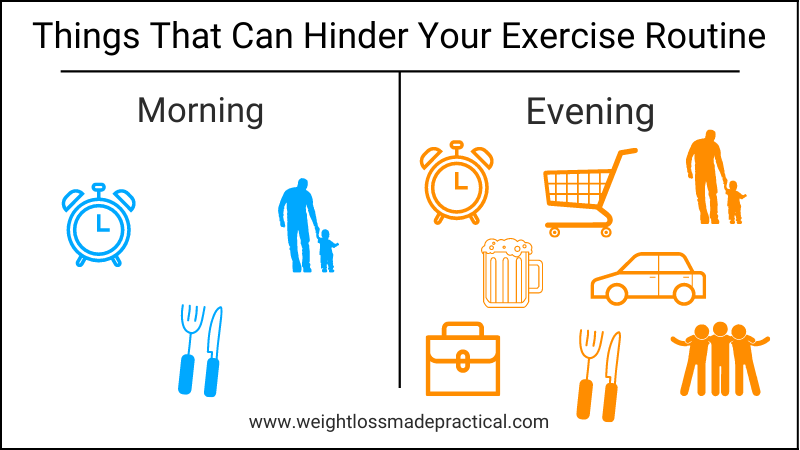
Numerous factors can impede the consistent implementation of a morning workout routine. Lack of motivation, time constraints, poor sleep habits, and a challenging environment are just a few examples. The absence of a supportive system or inadequate planning can also contribute to the struggle of maintaining consistency.
Strategies for Overcoming Challenges
Addressing obstacles head-on is crucial for maintaining a consistent morning workout routine. Creating a supportive environment and setting realistic goals are fundamental steps. Developing a personalized workout plan that aligns with individual needs and preferences is another effective strategy.
Importance of Setting Realistic Goals
Setting realistic goals is paramount for maintaining motivation and preventing burnout. Unrealistic expectations can lead to discouragement and abandonment of the routine. Break down larger goals into smaller, manageable steps. This approach allows for a sense of accomplishment with each milestone achieved, fostering a positive feedback loop. For example, aiming for a 30-minute run daily might feel daunting.
Breaking this down into 15-minute runs for a week and gradually increasing the duration fosters gradual progress, enhancing the chances of long-term adherence.
Creating a Supportive Environment
A supportive environment plays a vital role in maintaining consistency. This includes having a workout buddy, joining a fitness class, or finding a workout space that motivates you. Enlisting support from friends, family, or colleagues can provide encouragement and accountability. Furthermore, adjusting the home environment to promote a workout mindset, like having workout clothes readily available, can positively influence consistency.
Table: Challenges and Solutions for Maintaining Morning Workouts
| Challenge | Potential Solution | Motivation Techniques | Accountability Measures |
|---|---|---|---|
| Lack of motivation | Identify the reasons behind the lack of motivation. Replace negative self-talk with positive affirmations. Visualize success and the positive impact of the routine. | Reward yourself after achieving milestones, use motivational music or videos, or reflect on past successes. | Share your fitness goals with a friend or family member, track progress with a journal or app, or post updates on social media. |
| Time constraints | Prioritize workouts in your schedule. Shorten the workout duration to fit into a tight schedule. Look for workout options that fit into your schedule. Consider morning workouts that can be done quickly and effectively, such as high-intensity interval training (HIIT). | Remind yourself of the benefits of the routine, focus on the positive impacts of a healthy lifestyle, and think of the long-term benefits of fitness. | Use a timer to track workout duration, set reminders, or ask a friend to check in with you. |
| Poor sleep habits | Establish a regular sleep schedule, create a relaxing bedtime routine, and ensure a comfortable sleep environment. | Set a consistent bedtime and wake-up time, use relaxation techniques such as meditation or deep breathing, and create a calming atmosphere before sleep. | Maintain a sleep journal to monitor sleep patterns, or work with a sleep specialist to address underlying issues. |
| Lack of a supportive environment | Find a workout buddy, join a fitness class, or explore fitness communities online or in person. Use technology to find people with similar interests. | Focus on the benefits of having a supportive network, and envision the encouragement and motivation provided by a fitness community. | Schedule regular check-ins with your workout buddy or fitness class members, or create a shared accountability group. |
Final Conclusion
In conclusion, incorporating morning workouts into your daily routine offers a multifaceted approach to boosting productivity. We’ve explored the physical and mental advantages, the impact on focus and energy, and the role of motivation and discipline. Ultimately, the key is finding a routine that fits your lifestyle and goals, maximizing the benefits for your overall well-being and daily effectiveness.
Embrace the potential of morning workouts to unlock your full productivity potential.
FAQ Insights
How can morning workouts help with time management?
Morning workouts can improve time management by establishing a structured routine. This structured routine creates a foundation for managing your day effectively, allowing you to better allocate time for other tasks.
What are some common obstacles to maintaining a morning workout routine?
Common obstacles include lack of time, motivation, or a supportive environment. Overcoming these requires realistic goal-setting, creating a supportive routine, and finding motivation techniques.
How can I choose a morning workout that suits my preferences and goals?
Consider your fitness level, preferred activities, and desired outcomes. Experiment with different types of workouts, like running, yoga, or strength training, to find what resonates best with you.
How do morning workouts affect sleep quality?
Regular exercise, including morning workouts, can contribute to better sleep quality by promoting relaxation and regulating the body’s natural sleep-wake cycle.