
Athletic shoes are a vital part of any active lifestyle. They provide support, cushioning, and protection, but their longevity depends heavily on proper care. This guide delves into the essential steps for maintaining your athletic footwear, ensuring optimal performance and extending their lifespan. Ignoring these crucial steps can lead to premature wear and tear, requiring frequent replacements and ultimately impacting your budget.
From cleaning techniques to specialized care for different shoe types, we’ll cover all aspects of maintaining your athletic shoes. Understanding the nuances of material care, identifying potential problems, and implementing preventative measures are all part of the equation. Ultimately, your shoes will thank you for this investment in upkeep!
Introduction to Shoe Maintenance
Proper maintenance of athletic shoes is crucial for extending their lifespan and optimizing performance. Neglecting care can lead to premature wear, reduced comfort, and even injury. Consistent upkeep not only saves money on frequent replacements but also ensures that your shoes perform at their best, providing the support and cushioning needed for optimal athletic endeavors. Understanding the types of athletic shoes and their specific needs is key to effective maintenance.Maintaining athletic shoes translates to a longer lifespan for your footwear, directly impacting your performance and reducing the likelihood of injuries.
This involves a proactive approach to care, minimizing the impact of wear and tear, and preventing the accumulation of factors that lead to accelerated deterioration. Consistent maintenance is a significant investment in your athletic pursuits, saving you money on replacement costs and ensuring the longevity of your shoes.
Common Causes of Premature Shoe Wear and Tear
Inadequate cleaning and drying can lead to the deterioration of materials, weakening the structure of the shoe and reducing its lifespan. Overuse without adequate rest periods, coupled with improper foot mechanics or biomechanics, can accelerate wear and tear. Exposure to harsh elements like excessive moisture, extreme temperatures, or abrasive surfaces can also significantly shorten the shoe’s life. These factors, combined with the inherent stresses placed on athletic shoes during activity, can result in faster degradation.
Importance of Consistent Maintenance
Consistent maintenance is essential for preventing costly replacements and ensuring the shoes maintain their optimal performance. Regular cleaning and drying procedures will significantly extend the life of your athletic shoes. Proper care also helps maintain the integrity of the shoe’s materials, preserving its structure and functionality. Regular checks for damage, such as tears or cracks, are crucial for preventing further deterioration.
Following a consistent maintenance routine ensures that your shoes remain in good condition, thereby saving you money on frequent replacements.
Types of Athletic Shoes and Their Maintenance Needs
Different athletic shoes have varying needs based on their design, materials, and intended use. Understanding these differences is crucial for optimal maintenance.
- Running Shoes: These shoes are designed for impact absorption and cushioning. Regular cleaning to remove dirt and debris, along with thorough drying, is critical to maintaining their performance. Inspecting the soles for wear and tear, and replacing worn-out insoles are important maintenance steps. Running shoes are often made of breathable materials, and keeping them dry is crucial for preventing odor and mold growth.
- Basketball Shoes: High-impact sports like basketball require shoes built for lateral movement and court-specific traction. These shoes are often exposed to significant wear and tear from quick stops and changes in direction. Cleaning and drying after each use are essential. Regular inspection for wear and tear, especially on the outsole and upper, is crucial.
- Training Shoes: These shoes are designed for multi-purpose training exercises, providing a balance between support and flexibility. Cleaning, drying, and inspecting these shoes should follow a routine similar to running shoes. Consider the specific exercises performed to gauge the degree of wear and tear.
Specific Maintenance Procedures
A well-defined maintenance routine is essential for keeping your shoes in top condition. This includes regularly cleaning, drying, and inspecting your shoes. The specific steps may vary depending on the type of shoe. It’s crucial to consult the manufacturer’s guidelines for specific instructions. For example, some shoes may require specialized cleaning solutions or techniques.
| Shoe Type | Cleaning | Drying | Inspection |
|---|---|---|---|
| Running | Use mild soap and water. | Air dry thoroughly. | Check for wear on sole and midsole. |
| Basketball | Clean with a brush and mild soap. | Allow to air dry completely. | Inspect for cracks, tears, and wear on the outsole. |
| Training | Use a soft brush to remove debris. | Air dry completely. | Check for wear on the sole and any signs of damage. |
Cleaning and Drying Techniques
Maintaining the pristine condition of your athletic shoes involves more than just occasional wiping. Proper cleaning and drying are crucial for extending their lifespan and preventing the growth of harmful microorganisms. This section delves into the specifics of effective cleaning and drying methods, tailored to different shoe materials.Effective cleaning methods for athletic shoes are essential for maintaining their aesthetic appeal and extending their lifespan.
Ignoring proper cleaning can lead to premature wear and tear, reduced performance, and even health concerns. This section offers detailed guidance on the best cleaning methods for various shoe materials, ensuring your footwear remains in optimal condition.
Cleaning Methods for Different Materials
Various materials comprise athletic shoes, each requiring a unique cleaning approach. Understanding these differences is key to preserving the integrity and appearance of your footwear.
- Leather: Leather shoes demand gentle care. Avoid harsh scrubbing or excessive water exposure, which can damage the leather’s structure. Use a soft-bristled brush and a leather cleaner specifically designed for athletic shoes. Wipe the surface gently and allow it to air dry completely. Avoid using excessive amounts of cleaner, as this can lead to damage and discoloration.
- Mesh: Mesh shoes are breathable and lightweight, making them ideal for workouts. Clean mesh shoes with a damp cloth or a soft-bristled brush, ensuring the material is not overly saturated. Avoid using harsh chemicals or abrasive cleaners, as these can damage the delicate fibers. Allow the shoes to air dry completely, ideally in a well-ventilated area, to prevent mold and mildew.
- Synthetic: Synthetic materials are durable and water-resistant, making them suitable for various athletic activities. Use a damp cloth or a soft-bristled brush to remove dirt and debris. Mild soap and water solutions are effective, but avoid soaking the shoes. Allow them to air dry completely, ensuring the shoe’s interior is also thoroughly dried to prevent moisture buildup.
Cleaning and Drying Procedures
Following these steps ensures effective cleaning and drying without compromising the shoe’s integrity:
- Preparation: Remove any loose debris or dirt from the shoes using a brush or a dry cloth. Inspect the shoes for any visible damage or wear.
- Cleaning: Depending on the material, use a damp cloth, soft-bristled brush, or specialized cleaner. Avoid harsh scrubbing, especially on delicate materials like leather. Ensure the cleaning solution is appropriate for the material.
- Drying: Allow the shoes to air dry completely, ideally in a well-ventilated area away from direct sunlight or heat sources. For faster drying, consider using a shoe dryer or placing the shoes in a dry, airy place.
- Final Inspection: After drying, examine the shoes for any remaining dirt or moisture. If necessary, repeat the cleaning process.
Cleaning Solutions Comparison
Different cleaning solutions offer varying levels of effectiveness and safety for different shoe materials. The best approach is to choose a cleaning solution compatible with the shoe’s material.
| Shoe Material | Recommended Cleaning Solution | Effectiveness |
|---|---|---|
| Leather | Leather cleaner, mild soap and water | Gentle, effective for removing dirt and stains |
| Mesh | Mild soap and water, damp cloth | Effective for removing dirt and debris; avoid harsh chemicals |
| Synthetic | Mild soap and water, damp cloth | Effective for removing dirt and stains; avoid harsh chemicals |
Drying Methods
Proper drying is essential to prevent mold, mildew, and damage to the shoe’s structure. Different shoe types and conditions may require varying drying methods.
- Air Drying: Air drying is generally the safest method for all shoe materials. Allow the shoes to air dry completely in a well-ventilated area away from direct sunlight or heat sources.
- Shoe Dryer: For faster drying, a shoe dryer can be used. However, ensure the dryer’s temperature is suitable for the shoe material to avoid damage. Always check the manufacturer’s instructions for specific guidelines.
Addressing Specific Issues
Maintaining athletic shoes for optimal performance and longevity involves addressing potential problems promptly. Ignoring minor issues can lead to more significant damage over time, affecting both comfort and the overall lifespan of your footwear. This section details how to handle common problems, from odor control to more extensive repairs.
Odor Control
Persistent shoe odor often stems from trapped moisture and organic matter. A proactive approach is key. Regular cleaning and thorough drying are essential preventative measures. Use a shoe deodorizer spray or baking soda to absorb moisture and neutralize odors. Place open boxes of baking soda inside the shoes to absorb odors overnight.
If the smell persists, consider using a specialized shoe odor eliminator.
Loose Stitching
Loose stitching is a common issue, especially in high-impact sports shoes. Addressing this promptly prevents further damage. Use a needle and thread that matches the shoe’s material to carefully re-stitch the loose seams. Alternatively, consider professional repair services for more complex issues. For minor, superficial loose stitching, a dab of super glue may suffice.
Heel Wear
Heel wear, a common consequence of repeated impact, can lead to discomfort and reduced support. Depending on the extent of the wear, various solutions are available. For minor wear, a specialized heel pad can provide cushioning and support. If the heel cup is significantly worn, consider replacing the entire heel counter for optimal support.
Loose Laces
Loose laces can lead to discomfort and potential tripping hazards. Tightening the laces or replacing worn-out ones is the most common solution. If the eyelets are damaged, consider using stronger laces or replacing the eyelets. Check the lace-fastening mechanism for any malfunctions.
Damaged Soles
Damaged soles, from punctures to cracks, compromise the shoe’s structural integrity and impact absorption. For minor punctures, use a specialized shoe repair kit or super glue to seal the hole. If the damage is extensive, consider replacing the sole entirely. Professional shoe repair services can address complex sole issues.
Mold and Mildew
Mold and mildew can develop in shoes exposed to prolonged moisture. Prevention is key. Ensure proper drying after each use and store shoes in a well-ventilated area. If mold or mildew appears, thoroughly clean the affected areas with a bleach solution (1 part bleach to 10 parts water). Avoid using harsh chemicals on delicate materials.
Shoe Sole Repair
Re-applying or re-sealing shoe soles is a technique for extending the life of your shoes. The process involves removing the old sole and applying a new one. This is typically a professional service, but minor repairs, like re-applying a rubber sole, can be done with the right tools and materials.
Comparison Table of Shoe Issues and Solutions
| Issue | Solution | Notes |
|---|---|---|
| Odor | Baking soda, shoe deodorizer, thorough drying | Proactive measures are crucial |
| Loose Stitching | Restitching, super glue (minor cases) | Professional help for complex issues |
| Heel Wear | Heel pads, heel counter replacement | Choose the solution based on severity |
| Loose Laces | Tightening, replacing laces or eyelets | Address the cause of looseness |
| Damaged Soles | Repair kit, super glue (minor), replacement (major) | Professional repair for extensive damage |
| Mold/Mildew | Bleach solution, thorough drying, prevention | Clean and dry promptly to avoid recurrence |
Specialized Care for Specific Shoe Types
Maintaining athletic shoes for optimal performance and longevity requires understanding their specific construction and the demands placed on them during different activities. Different sports and activities generate unique stresses on various shoe components, necessitating tailored care routines. Knowing the material makeup and typical wear patterns for each type of shoe is key to preserving their structural integrity and preventing premature deterioration.Understanding the distinct needs of running shoes, basketball shoes, and other specialized athletic footwear allows for more effective maintenance.
This knowledge ensures that your shoes remain functional and offer the necessary support and cushioning throughout their lifespan. This section delves into the specific care routines and considerations for each shoe type.
Running Shoe Maintenance
Running shoes, subjected to high impact and repetitive stress, require meticulous care to preserve their cushioning and support. Proper cleaning and drying are crucial to maintain the integrity of the shoe’s components, especially the midsoles and outsoles, which experience significant wear and tear. Inspecting for signs of excessive wear, such as cracks or deterioration in the sole, is essential.
Early detection and appropriate action can prevent injuries and ensure continued comfort.
- Regular cleaning with a soft brush and mild detergent is essential to remove dirt and debris.
- Thorough drying is critical to prevent mold and mildew buildup, which can compromise the shoe’s structural integrity.
- Inspecting the sole for cracks or excessive wear is vital for identifying potential issues.
- Consider using a specialized running shoe cleaner to remove stubborn stains and maintain the shoe’s appearance.
Basketball Shoe Maintenance
Basketball shoes, characterized by their robust construction and high-wear areas, demand specialized care to handle the dynamic movements and impacts of the sport. The high-stress areas, including the heel counters and outsole, require particular attention during maintenance. Frequent cleaning and drying help prevent the buildup of debris and moisture, which can lead to premature wear and potential discomfort.
- Cleaning with a soft brush and mild detergent, focusing on high-wear areas like the outsole and heel counter, is vital.
- Drying the shoes thoroughly after each use, especially in high-moisture environments, is crucial.
- Inspecting the outsole for wear and tear is important to ensure adequate grip and traction.
- Using specialized shoe cleaners for basketball shoes can help maintain the shoe’s aesthetic and functional qualities.
Other Athletic Shoe Maintenance
A wide variety of athletic shoes exist for specific sports like volleyball, soccer, or tennis. Each sport places unique stresses on the shoes, requiring tailored maintenance routines. These routines often involve careful cleaning, thorough drying, and inspecting specific high-wear areas. Understanding the unique demands of the activity will help ensure the shoes remain functional and offer appropriate support and protection.
- Volleyball shoes, often designed for quick lateral movements, need cleaning and drying to prevent damage to the lateral supports.
- Soccer shoes, subject to significant abrasion, need cleaning and drying to maintain the integrity of the outsole.
- Tennis shoes, exposed to court conditions and frequent foot movement, require cleaning and drying to prevent damage to the shoe’s supportive elements.
Material-Specific Care
The materials used in athletic shoes influence the best care practices. Leather shoes require specific cleaning and conditioning to maintain their suppleness and prevent cracking. Synthetic materials, such as nylon and polyester, generally require less intensive care but still benefit from regular cleaning and drying. Fabric-based shoes require particular attention to avoid mold and mildew growth.
- Leather shoes benefit from conditioning treatments to maintain their flexibility and prevent cracking.
- Synthetic materials generally require less intense cleaning but still benefit from routine cleaning.
- Fabric-based shoes necessitate meticulous drying to prevent moisture buildup and mold growth.
Potential Risks and Challenges
Improper care can lead to various risks and challenges, including premature wear, reduced performance, and potential injury. Ignoring cleaning and drying procedures can accelerate damage, potentially causing discomfort or injuries during activities. Using harsh chemicals or abrasive cleaning methods can damage the shoe’s materials and reduce their lifespan.
Comparison Table of Athletic Shoe Maintenance
| Shoe Type | Cleaning | Drying | Specific Considerations |
|---|---|---|---|
| Running Shoes | Gentle brush, mild detergent | Thorough drying, avoid direct heat | Inspect sole for cracks, maintain cushioning |
| Basketball Shoes | Focus on high-wear areas, mild detergent | Thorough drying, avoid direct heat | Inspect outsole for wear, maintain support |
| Other Athletic Shoes | Specific to sport, focus on high-wear areas | Thorough drying, avoid direct heat | Specific to sport, maintain support and function |
Preventative Measures and Proactive Maintenance
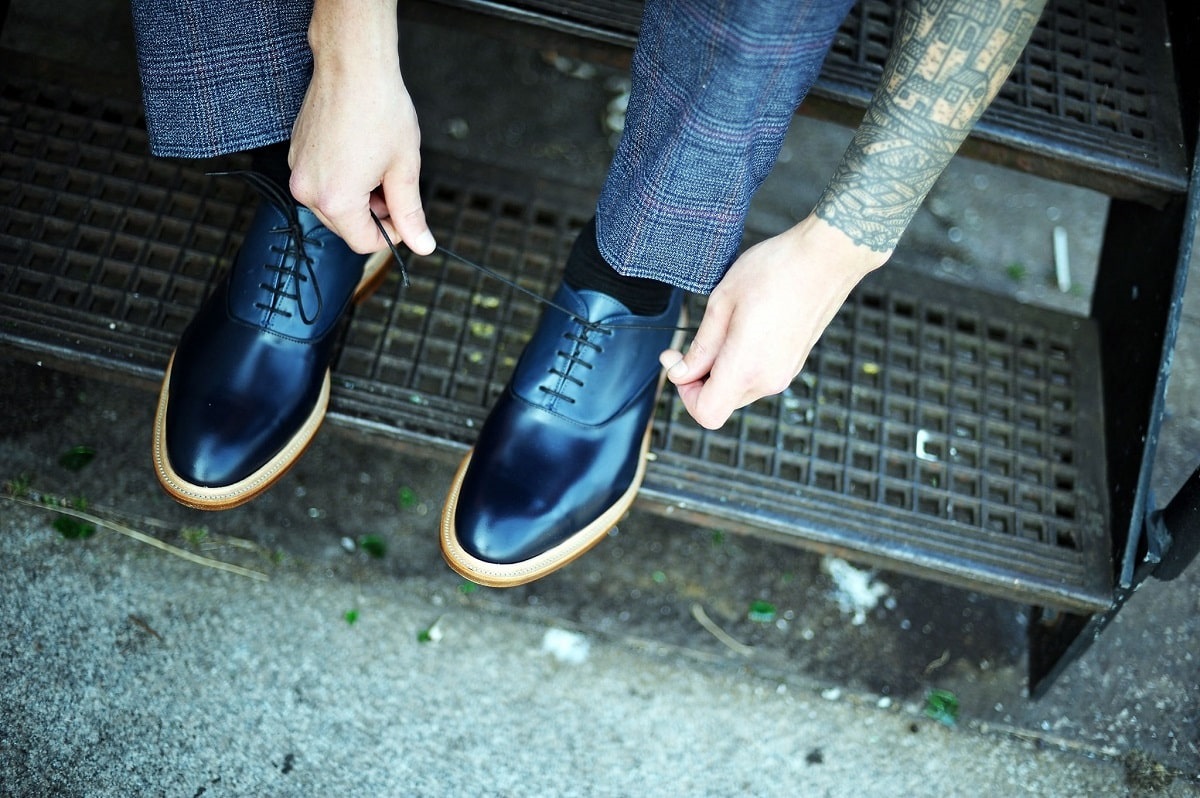
Source: co.uk
Proactive maintenance is key to extending the lifespan of your athletic shoes. Regular inspection and preventative measures can significantly reduce the wear and tear, ensuring optimal performance and comfort for longer periods. By understanding potential issues and implementing preventative strategies, you can avoid costly replacements and maximize the return on your investment in quality athletic footwear.
Proactive Maintenance Tips
Regular care, beyond just cleaning, is crucial for extending the life of your athletic shoes. This includes proactive steps to prevent damage, rather than reacting to problems that have already arisen. By anticipating potential issues and implementing preventative measures, you can significantly extend the useful life of your footwear.
- Inspect your shoes regularly for signs of wear and tear, such as cracking, separation of materials, or excessive abrasion on the soles or uppers. This includes checking for loose stitching, worn treads, or damaged support structures.
- Store your shoes in a cool, dry place away from direct sunlight and excessive moisture. This helps prevent material degradation and fungal growth.
- Rotate your athletic shoes to distribute wear evenly across the soles. Alternate use between different pairs, ensuring no single pair bears the brunt of all your training or activities.
- Use appropriate insoles or shoe liners to cushion your feet and absorb shock, reducing stress on the shoe’s structure. This helps prolong the integrity of the sole and the overall shoe.
- Consider using shoe trees to maintain the shoe’s shape, particularly after extended periods of non-use. This is especially helpful for preventing the shoe from flattening out, impacting its overall structural integrity.
Importance of Regular Inspection
Regular inspection is a fundamental aspect of proactive maintenance. It allows you to identify potential problems before they escalate into significant damage. Recognizing early warning signs can prevent further wear and tear and ensure optimal shoe performance.
- Regular checks for signs of damage, such as cracking, tears, or separation of materials, can save you from costly replacements.
- Early identification of issues allows for timely interventions, such as replacing worn-out components or seeking professional repair if necessary.
- Regular inspection promotes a proactive approach to shoe maintenance, reducing the likelihood of severe damage.
Warning Signs of Potential Shoe Issues
Recognizing early warning signs of potential shoe issues is crucial for preventing further damage. By understanding these indicators, you can address problems before they compromise the shoe’s performance and longevity.
- Cracking or splitting of the sole or upper material: This indicates material degradation, often caused by exposure to harsh elements or excessive wear. It could lead to further damage and loss of support.
- Excessive wear on the tread or outsole: A significantly worn tread compromises traction and shock absorption, increasing the risk of slips and falls and further damage to the shoe.
- Loose stitching or seams: Loose stitching or seams can lead to structural instability, compromising the shoe’s overall support and leading to potential collapse or complete failure of the shoe.
- Deformation or flattening of the shoe: This suggests the shoe is no longer providing adequate support and cushioning, potentially leading to discomfort and further structural damage.
Strategies for Extending Lifespan
Effective strategies for extending the lifespan of athletic shoes involve combining preventative measures with proper use and care.
- Use the right shoe for the right activity. Using running shoes for hiking, for example, will cause premature wear on the shoe’s components.
- Ensure the shoes fit properly. Improperly fitted shoes can lead to unnecessary strain on specific areas of the shoe, increasing the rate of damage.
- Clean and dry your shoes regularly. Proper cleaning and drying prevent the build-up of moisture and debris, which can cause damage to the materials and support structure.
Identifying and Preventing Damage
Identifying potential damage before it occurs is vital to proactive maintenance. By recognizing early warning signs, you can implement preventative measures to extend the life of your athletic shoes.
| Shoe Problem | Preventative Measure |
|---|---|
| Cracking or Splitting | Store shoes in a cool, dry place. Avoid excessive moisture or direct sunlight. |
| Excessive Tread Wear | Rotate shoes between use, use appropriate insoles to distribute pressure, and use the right shoes for the right activity. |
| Loose Stitching/Seams | Avoid overstretching the shoes. If possible, get the shoes professionally repaired if stitching loosens. |
| Deformation/Flattening | Use shoe trees, and rotate your shoes for even wear. Consider proper fitting to avoid undue stress on the structure. |
Tools and Equipment for Shoe Maintenance
Proper shoe maintenance relies heavily on the right tools. Selecting and using appropriate equipment ensures effective cleaning, repair, and overall care, ultimately extending the lifespan of your athletic footwear. Choosing the right tool for the job is crucial for achieving optimal results and avoiding damage to your shoes.
Essential Tools for Shoe Maintenance
A well-stocked shoe maintenance kit provides the necessary tools for various tasks. This includes brushes, cleaners, and specialized tools for different materials and potential issues. Having the right tools readily available will make the process more efficient and effective.
- Brushes: A variety of brushes, from soft-bristled ones for delicate materials to stiff-bristled ones for stubborn dirt, are essential. Soft-bristled brushes are ideal for removing dust and surface grime, while stiffer ones are better suited for tackling caked-on mud or dried-on debris. A combination of brush types allows for thorough cleaning across different areas of the shoe.
- Cleaning Solutions: Selecting the right cleaning solution is critical. Different materials require different cleaning agents. A mild detergent solution is generally suitable for most athletic shoes, but specialized cleaners may be necessary for certain materials or stains. Always test any cleaning solution in an inconspicuous area before applying it to the entire shoe.
- Specialized Tools: Certain tools, like shoe-specific picks or scrapers, are vital for dealing with specific issues. Shoe picks help remove stubborn debris or stuck objects from the shoe. Scrapers are useful for removing dried-on mud or sticky substances. These tools are particularly useful for intricate areas or areas that may not be accessible with a brush.
- Dryer or Drying Rack: Using a dryer or a drying rack is critical for preventing mold and mildew growth. Drying shoes properly prevents odor buildup and promotes a longer lifespan of the shoe. If using a dryer, ensure it’s set to a low temperature to avoid damage to the materials.
- Repair Kits: Repair kits are crucial for fixing minor damage. These kits usually include thread, glue, and other necessary materials for repairing tears, holes, or loose stitching. Having these materials on hand allows for quick and efficient repairs, extending the shoe’s usability.
Importance of Using Appropriate Tools
The right tools make a significant difference in the quality of the cleaning and maintenance process. Using the wrong tool for a specific task can lead to damage or ineffective cleaning. For instance, using a stiff brush on a delicate material like suede can scratch or damage the surface. Matching the tool to the task ensures the shoe’s longevity and appearance.
Functionality and Benefits of Each Tool
Each tool serves a specific purpose in shoe maintenance. Brushes remove dirt and debris, cleaning solutions dissolve stains, specialized tools address specific issues, dryers prevent mold and mildew, and repair kits fix minor damages. By using the appropriate tools, you can maintain the shoe’s integrity and aesthetic appeal.
Maintaining the Tools
Regular maintenance of the tools is essential to ensure their effectiveness and longevity. Cleaning brushes after each use prevents the buildup of dirt and debris, which can affect cleaning efficiency. Storing cleaning solutions properly prevents evaporation and maintains their potency. Regularly checking and replacing worn-out tools ensures optimal performance.
Table of Essential Tools for Shoe Maintenance
| Tool | Functionality | Benefits |
|---|---|---|
| Brushes (soft & stiff) | Remove dirt, debris, and surface grime | Thorough cleaning, prevents build-up |
| Cleaning Solutions | Dissolve stains, remove dirt | Effective cleaning, maintains hygiene |
| Specialized Tools (picks, scrapers) | Address specific issues, remove stubborn debris | Tackles tough stains, prevents damage |
| Dryer/Drying Rack | Dry shoes, prevent mold/mildew | Preserves shoe integrity, avoids odors |
| Repair Kits | Fix minor damages | Extends shoe lifespan, maintains appearance |
Safety Considerations When Using Tools
Safety should be a top priority during shoe maintenance. Always ensure proper ventilation when using cleaning solutions to avoid inhaling harmful fumes. Use caution when using sharp tools like picks or scrapers to prevent injury. Follow the instructions on cleaning solutions to avoid skin irritation or allergic reactions. Always prioritize safety when using any tools to prevent potential harm.
Illustrative Examples of Shoe Maintenance
Maintaining athletic shoes involves more than just cleaning; it’s about understanding the specific needs of different shoe types and implementing proactive care routines. Proper maintenance not only extends the lifespan of your shoes but also ensures optimal performance and comfort. By learning from illustrative examples, you can tailor a maintenance plan to your specific needs and shoe types.
Examples of Well-Maintained Athletic Shoes
These examples highlight effective shoe maintenance strategies across various athletic activities and shoe types. Each example illustrates the importance of consistency and targeted care for optimal results.
- Trail Running Shoes: A runner using trail running shoes regularly cleans them after each use. They remove loose dirt and debris with a brush, and then soak the mesh parts in a mild detergent solution. Afterwards, they air-dry the shoes completely before storing them in a cool, dry place. This routine prevents the buildup of mildew and maintains the shoe’s breathability.
The advantages include a longer shoe lifespan, reduced risk of foot odor, and sustained performance in varied terrains. Imagine a pair of trail running shoes, free from mud and debris, ready to conquer the next trail run.
- Basketball Shoes: A dedicated basketball player thoroughly cleans their basketball shoes after every game. They wipe down the upper with a damp cloth, removing any sweat or dirt. For stubborn stains, they use a specialized cleaner. The player also regularly replaces the insole, maintaining proper cushioning. This practice ensures the shoe’s durability, preventing wear and tear, and preserving the responsiveness needed for intense gameplay.
Visualize a pair of basketball shoes, meticulously clean and ready for another energetic game.
- Cross-Training Shoes: A cross-training enthusiast, committed to consistent upkeep, cleans their shoes after each workout. They use a shoe brush to remove dirt and debris, and a damp cloth to wipe down the leather parts. If needed, they use a specialized leather cleaner to address any stains or marks. They also ensure proper drying and store the shoes in a cool, dry location.
This approach protects the shoe’s materials, maintaining the structural integrity and cushioning for optimal performance during various activities. Picture a pair of cross-training shoes, sparkling clean and ready for the next functional workout.
Maintenance Routine Table
This table provides a concise summary of the care routines and results for the different shoe types.
| Shoe Type | Care Routine | Results |
|---|---|---|
| Trail Running Shoes | Regular cleaning after each use, soaking mesh parts in mild detergent solution, complete air drying | Extended lifespan, reduced foot odor, sustained performance |
| Basketball Shoes | Thorough cleaning after each game, specialized cleaning for stains, regular insole replacement | Enhanced durability, preserved responsiveness, maintained cushioning |
| Cross-Training Shoes | Post-workout cleaning with brush and damp cloth, specialized leather cleaner for stains, proper drying and storage | Protected materials, maintained structural integrity, optimal cushioning for diverse activities |
Closing Notes
In conclusion, maintaining your athletic shoes is more than just keeping them clean; it’s about extending their lifespan and performance. By understanding the specific needs of your footwear, implementing proper cleaning and drying techniques, addressing potential issues, and adopting proactive maintenance strategies, you can significantly increase the longevity of your athletic shoes. This comprehensive guide has provided the tools and knowledge necessary to keep your shoes in top condition for years to come.
Top FAQs
How often should I clean my athletic shoes?
Cleaning frequency depends on usage. Lightly used shoes might only need cleaning every few weeks, while heavily used shoes might require cleaning after each workout.
What’s the best way to dry athletic shoes?
Avoid direct heat. Use a cool, well-ventilated area or a shoe dryer. Never put them in a hot oven or near a heat source, as this can damage the materials and affect the shape of the shoe.
How can I remove odors from my athletic shoes?
Use baking soda or activated charcoal to absorb odors. Sprinkle these materials inside the shoes and leave them for a few hours or overnight. Also, regularly air out your shoes.
What are some warning signs of potential shoe issues?
Look for loose stitching, cracked soles, or unusual wear patterns. Pay attention to any discomfort or pain when wearing the shoes. Early detection can prevent more serious problems.