
Beginner’s Guide to Ice Hockey Skating Techniques provides a comprehensive overview of the essential skills and knowledge needed to excel on the ice. From fundamental stances to advanced maneuvers, this guide equips you with the tools to confidently navigate the rink.
This guide delves into the specifics of ice hockey skating, covering everything from the crucial equipment and safety precautions to advanced techniques and strategies. It emphasizes the importance of proper posture, balance, and footwork, making it an invaluable resource for aspiring players and seasoned skaters alike.
Introduction to Ice Hockey Skating
Ice hockey skating is more than just gliding across the ice; it’s the cornerstone of the sport. It’s a dynamic and demanding skill that requires precise control, balance, and agility. Mastering the art of ice hockey skating unlocks a wide range of advantages on the ice, from quick transitions to powerful strides. Proper skating technique not only enhances performance but also reduces the risk of injury.Skating is fundamental to success in ice hockey.
Without a strong skating base, players struggle to execute passes, shoot effectively, or defend effectively. A skilled skater possesses the agility and speed necessary to navigate the ice with ease, making them a formidable asset on any team.
Defining Ice Hockey Skating
Ice hockey skating is a specialized form of ice skating that emphasizes speed, agility, and maneuverability for the purpose of playing ice hockey. It involves specific techniques and movements tailored to the demands of the game, such as quick stops, sharp turns, and powerful strides.
Importance of Skating in Ice Hockey
Skating is the foundation of ice hockey. It’s the engine that drives all aspects of the game. Players need to be able to skate effectively to achieve maximum speed, maneuverability, and endurance on the ice. A skilled skater can make quick transitions, execute precise passes, shoot the puck with power, and defend effectively.
Benefits of Learning Proper Skating Techniques
Learning proper ice hockey skating techniques offers a multitude of benefits. First, it significantly improves speed and agility on the ice. Second, it enhances control and balance, which is vital for avoiding falls and injuries. Third, it allows for quicker and more precise maneuvers, such as quick stops and sharp turns. Finally, it helps players maintain endurance throughout the game.
Essential Equipment for Ice Hockey Skating
Proper equipment is crucial for safety and optimal performance. Without the right gear, players risk injury and hinder their ability to skate effectively. A key part of this is ensuring the proper fit of the equipment.
Types of Skates Used in Ice Hockey
The choice of skates depends on the specific needs of the player. Different types of skates cater to various styles of ice skating.
| Skate Type | Description | Use Case |
|---|---|---|
| Hockey Skates | Designed for speed, agility, and maneuverability, featuring stiff blades and a reinforced frame. They offer excellent responsiveness and support, vital for quick turns, powerful strides, and rapid acceleration. | Ideal for ice hockey players who need maximum performance and control on the ice. |
| Figure Skates | Characterized by flexible blades and a more flexible frame, offering greater flexibility and artistry. These are better suited for intricate maneuvers and graceful movements, rather than the demanding stops, starts, and quick turns of hockey. | Primarily used for figure skating, where artistry and grace are emphasized. |
Basic Skating Stances and Movements
Mastering the fundamentals of ice hockey skating is crucial for success on the ice. This section dives into the essential stances and movements, providing a clear understanding of how to execute each technique effectively. Proper body posture and balance are key to efficient skating and a smooth transition between movements.The ability to glide, push off, and stop with precision and control significantly impacts a player’s overall performance and their ability to respond to the dynamic nature of the game.
Understanding the interplay between these elements is vital for executing more complex skills like weaving through opponents or generating speed effectively.
Proper Stance for Ice Hockey Skating
The proper stance for ice hockey skating involves a slightly bent posture, with knees flexed, and weight centered over the feet. This posture allows for quick movements and maintains balance during acceleration and deceleration. Imagine a poised athlete ready to spring into action, not rigid or hunched. The upper body should be relaxed and upright, with the shoulders aligned over the hips.
Keeping the head up and eyes forward maintains balance and allows for awareness of the surrounding ice. This posture enables players to react effectively to changes in direction and maintain a balanced position while gliding.
Gliding
Gliding is the foundational skating movement. Maintaining the proper posture described above, keeping your weight centered, is paramount. A slight bend in the knees allows for a smooth, controlled glide. Imagine a smooth, flowing motion over the ice, using minimal effort. Avoid stiff, jerky movements.
Pushing Off
Pushing off is how skaters accelerate. It involves a powerful extension of the legs, pushing off from the ice with a combination of ankle, knee, and hip extension. A balanced stance before pushing off is crucial. As the skater pushes off, the opposite leg is lifted in a slightly bent position to support the momentum, maintaining balance and providing a springboard effect.
The skater should aim for a smooth and controlled push-off rather than a jerky one.
Stopping
Stopping techniques are equally important. One common technique is the “T-stop,” which involves bringing the skates together in a “T” shape, using the inside edges of the skates. This method utilizes the friction created by the skates to slow down the skater. Other stopping methods include the “hockey stop” and “toe stop,” each with its own set of benefits and considerations, depending on the context of the situation.
The essential element in any stopping technique is the controlled application of the edges of the skates to the ice, coupled with maintaining a balanced posture.
Table of Skating Stances for Ice Hockey Skills
| Stance | Description | Suitable Skills |
|---|---|---|
| Forward Stance | Weight evenly distributed over both skates, knees slightly bent, and upper body upright, with a relaxed posture. | Gliding, accelerating, de-accelerating, stick handling, shooting, and most on-ice activities. |
| Backward Stance | Similar to the forward stance but with the body facing backward, maintaining a balanced posture with weight evenly distributed. | Defensive play, checking, retrieving pucks, and skating backward with control. |
Essential Skating Skills

Source: hockeycanada.ca
Mastering the art of ice hockey skating involves more than just gliding across the ice. It demands precision, control, and a keen understanding of how to balance, move, and maneuver on skates. This section delves into the core skating skills necessary for success on the ice.Maintaining balance and control are paramount to efficient skating. Proper posture, precise footwork, and strategic use of body weight all contribute to a stable and effective skating style.
Effective turning and stopping techniques, alongside smooth acceleration and deceleration, are critical for maintaining control and responding dynamically to game situations. This section will provide a comprehensive understanding of these techniques, emphasizing the importance of proper footwork and leg movements for both controlled skating and dynamic transitions.
Maintaining Balance on Skates
Maintaining balance on skates requires a combination of physical awareness and practice. A centered posture, with the weight distributed evenly over both skates, is essential. This balanced stance is not static but rather a dynamic equilibrium, reacting to the subtle shifts in weight and pressure on the ice. Keeping your knees slightly flexed allows for a more flexible and responsive posture, enabling quick adjustments to maintain balance during turns and stops.
Concentrating on smooth movements and avoiding jerky or sudden motions will significantly improve balance control.
Maintaining Proper Posture
Proper posture in ice hockey skating is crucial for efficiency, control, and injury prevention. A tall, upright posture, with the head held high and shoulders relaxed, maximizes visibility and body awareness. A slight bend in the knees provides a springy base, enhancing agility and balance. Keeping your back straight, core engaged, and arms relaxed, but not stiff, aids in maintaining a stable and efficient skating form.
The posture should also be adjusted for the particular skating technique being employed, whether it be forward skating, stopping, or turning.
Turning and Stopping on Skates
Effective turning and stopping are fundamental to navigating the ice effectively. Turns are executed by shifting weight and pressure onto one skate, while the other skate acts as a pivot point. Turning techniques include inside edges and outside edges, which determine the direction of the turn. Stopping techniques involve utilizing the inside edges of both skates to create friction and decelerate quickly.
Controlled stops are vital for maintaining position on the ice and reacting to changing game situations.
Accelerating and Decelerating on Ice
Acceleration and deceleration are crucial for responsiveness and agility. To accelerate, a skater must generate force and momentum by pushing off the ice with the blades of both skates. Maintaining a strong core and efficient leg movements are key. To decelerate, a skater should utilize their edges and gradually reduce their pushing force. Proper technique in acceleration and deceleration allows for a smooth transition between speeds and allows for greater control.
Controlling Speed and Direction
Controlling speed and direction is a crucial aspect of ice hockey skating. Speed is controlled through the combination of acceleration and deceleration techniques. Direction is controlled by shifting weight and pressure on the skates, utilizing the inside and outside edges. Effective speed control allows for maintaining a consistent pace, while precise direction control facilitates smooth movements and dynamic maneuvers.
Footwork and Leg Movements in Ice Hockey Skating
Efficient footwork and leg movements are critical for smooth and controlled skating. A skater must coordinate their leg movements to generate power, maintain balance, and execute maneuvers effectively. This involves using both the inside and outside edges of the skates, and employing precise foot placement to generate and transfer power. Practicing drills that emphasize precise footwork and leg movements will help improve skating efficiency.
Advanced Skating Techniques
Source: skatingauthority.com
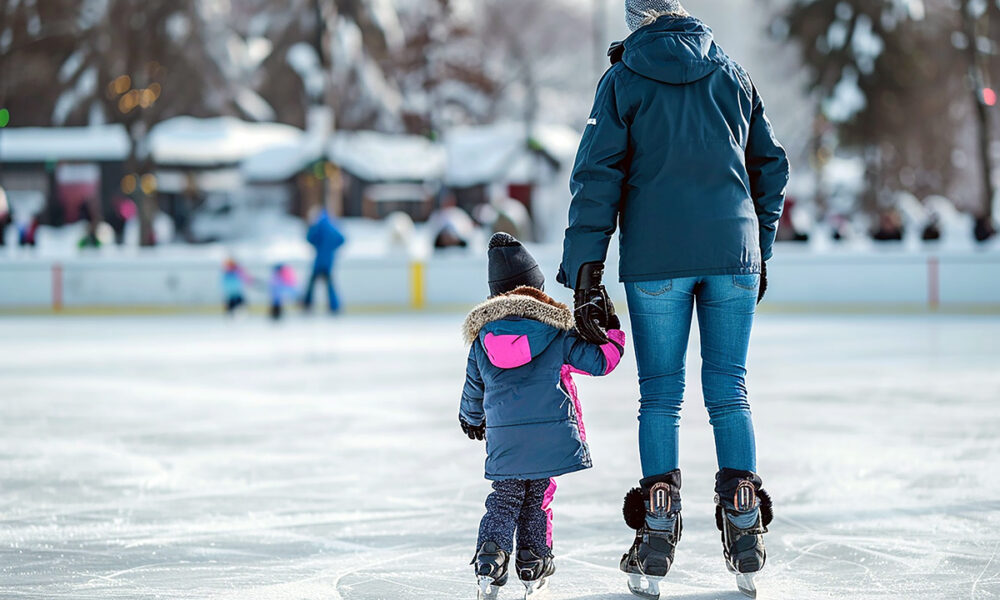
Mastering basic skating stances and movements is a crucial first step in ice hockey, but true proficiency involves mastering advanced techniques. These advanced maneuvers significantly enhance a player’s agility, speed, and overall performance on the ice, allowing for more effective puck control and offensive opportunities. Understanding and practicing these techniques is vital for navigating tight spaces, accelerating quickly, and ultimately achieving a competitive edge.Advanced skating techniques go beyond basic gliding and allow players to execute intricate maneuvers.
These techniques are not merely embellishments but essential tools for navigating the ice strategically, effectively responding to changing game situations, and ultimately contributing to a team’s success.
Crossovers
Crossovers are a fundamental advanced skating technique. They involve quickly shifting weight from one skate to the other, propelling the skater forward while maintaining balance. Executing a crossover involves a controlled and deliberate shift of weight, not a jerky movement. This controlled motion, coupled with a strong core, allows for quick directional changes and efficient acceleration. Practicing crossovers builds core strength, agility, and quickness.
Different types of crossovers exist, such as the inside and outside crossover, each offering varying advantages in different situations.
Navigating Tight Spaces
Navigating tight spaces on the ice requires a combination of agility and precise control. The ability to maintain balance and execute quick changes in direction is paramount. This skill involves precise use of crossovers, quick stops, and controlled movements to maintain positioning while avoiding collisions. Players need to anticipate the movements of teammates and opponents to avoid conflicts and maintain possession of the puck.
Effective footwork is critical, enabling players to maneuver through crowded areas without compromising control.
Effectiveness of Skating Techniques
The effectiveness of various skating techniques depends heavily on the specific situation. While crossovers are excellent for quick changes of direction, a simple forward stride might be more efficient for maintaining a steady pace. For example, a player in a defensive position might rely more on stopping and pivoting, while an offensive player might favor crossovers to maintain speed while changing direction.
The optimal technique depends on the player’s position and the dynamic of the game. Understanding these nuances allows players to select the most effective techniques for any given scenario.
Position-Specific Skating Techniques
Different ice hockey positions require distinct skating styles. Forwards, with their emphasis on puck control and offensive maneuvers, often prioritize crossovers and quick changes of direction. Defensemen, conversely, frequently emphasize maintaining balance and position, with quick stops and pivots, allowing for effective defensive positioning and transitions. Goalies require specialized skating techniques, focusing on quick movements and efficient agility, enabling them to cover the net effectively.
Players develop their technique to suit their role, ensuring they can perform optimally within the confines of their position.
Comparison of Advanced Skating Techniques
| Technique | Description | Advantages | Disadvantages |
|---|---|---|---|
| Crossovers | Rapid shifts of weight between skates for quick changes of direction. | Enhanced agility, rapid acceleration, quick changes of direction. | Requires precise balance and coordination, can be tiring if used excessively. |
| Backwards Skating | Skating backwards. | Allows for effective defensive positioning, quick changes of direction. | Lower speed compared to forward skating, requires practice to maintain balance and control. |
| Quick Stops and Pivots | Sudden stops and directional changes. | Excellent for maintaining defensive positioning, regaining control. | Requires precise balance and can be difficult to execute at high speeds. |
Practicing and Improving Skating Skills
Mastering ice hockey skating is a journey, not a sprint. Consistent practice, incorporating drills and exercises, is crucial for improvement. Understanding the importance of progressive development and identifying common errors will significantly enhance your skating ability.Effective practice sessions go beyond simply gliding on the ice. They involve targeted drills that focus on specific aspects of skating, such as balance, agility, and strength.
Different environments can influence practice, and adapting to those variations is key. Moreover, understanding the importance of gradual progression and recognizing common mistakes is fundamental to a smooth learning curve.
Effective Drills and Exercises
Consistent practice, incorporating various drills and exercises, is key to mastering ice hockey skating. These drills are designed to build strength, enhance balance, and improve technique. They should be tailored to your current skill level and gradually increase in complexity.
- Forward Skating Drills: These drills focus on maintaining proper posture, maintaining balance, and improving stride length and cadence. Examples include gliding exercises, maintaining a straight line with controlled speed, and performing forward crossovers.
- Backward Skating Drills: Backward skating is crucial for agility and defensive maneuvers. Exercises for backward skating should involve maintaining balance, controlling speed, and mastering the proper technique for backward crossovers and stops.
- Stop and Start Drills: These drills are essential for quick changes in direction and speed. Practicing various stopping techniques, including the T-stop, hockey stop, and quick stops, is vital.
- Agility and Balance Exercises: These exercises, such as skating around cones or weaving through marked spaces, help develop agility, coordination, and balance on the ice.
Practicing in Different Environments
Ice conditions, rink layout, and other environmental factors impact practice. Adapting your approach to various environments is essential for optimal learning.
- Outdoor Rinks: Outdoor rinks often have varying ice conditions, requiring adjustments in skating techniques to account for uneven surfaces or patches of ice. Practicing balance and agility exercises on these surfaces is essential.
- Indoor Rinks: Indoor rinks typically offer more consistent ice conditions, allowing for more focused drills. Utilize the space effectively to perform drills that target skating technique and skills.
- Group Sessions: Practicing with others can offer a variety of benefits, such as learning from different techniques and providing feedback to others.
Building Leg Strength and Balance
Strengthening leg muscles and improving balance is critical for efficient skating. This involves incorporating exercises both on and off the ice.
- Leg Strength Exercises: Exercises like squats, lunges, calf raises, and hamstring curls can significantly enhance leg strength and power, crucial for skating. These should be performed with proper form and gradual progression.
- Balance Exercises: Balance exercises, such as single-leg stands, heel-toe walks, and standing on a wobble board, improve stability on the ice. These exercises should be performed with a focus on maintaining posture and stability.
Gradual Progression in Learning
A gradual progression in learning ice hockey skating is crucial for injury prevention and optimal development. Avoid pushing yourself beyond your current capabilities.
- Start Slowly: Begin with basic movements and progressively increase the difficulty as your skills improve. Focus on proper form and technique from the beginning. This will prevent injuries and establish a solid foundation.
- Listen to Your Body: Recognize the signs of fatigue and discomfort. Rest when needed and avoid pushing yourself too hard, too quickly. Taking breaks is as important as practicing.
- Seek Guidance: A qualified coach can provide personalized guidance and tailor exercises to your specific needs and abilities.
Identifying and Correcting Common Skating Errors
Recognizing and correcting common mistakes is essential for progress. A coach or experienced skater can provide valuable feedback.
- Bent Knees: Maintaining a slightly bent knee position while skating helps maintain balance and control. Too much bending can cause fatigue and poor balance. A good example is practicing skating on a straight line while maintaining a slight bend in your knees.
- Lack of Core Engagement: Engaging your core muscles helps maintain balance and control during turns and stops. Incorporate core exercises into your routine.
- Incorrect Stance: Maintaining a proper skating stance, including positioning of the feet and posture, is vital for balance and control. Proper stance prevents injuries and enhances efficiency.
Safety Considerations in Ice Hockey Skating
Safe skating is paramount to enjoying the sport and avoiding potential injuries. Proper safety measures, coupled with a proactive approach to injury prevention, significantly reduce the risk of accidents on the ice. Understanding and practicing these safety considerations are crucial for every skater, regardless of skill level.Skating on ice, while exhilarating, inherently involves a degree of risk. However, the risks can be mitigated by focusing on safety equipment, appropriate warm-up and cool-down routines, injury prevention techniques, and recognizing ice conditions.
Following these guidelines can lead to a safer and more enjoyable skating experience.
Importance of Safety Equipment
Safety equipment is not just a precaution; it’s a fundamental aspect of safe ice hockey skating. Proper gear protects against potential injuries, offering a crucial layer of defense. A helmet, designed to absorb impact, is essential to protect the head from severe injuries. Similarly, protective pads for the knees, elbows, and shins guard these vulnerable areas, minimizing the impact of falls.
Properly fitted skates provide stability and support, reducing the risk of ankle sprains and other lower-body injuries. Skating gloves and socks also play a vital role in safeguarding the hands and feet from cold and potential abrasions.
Importance of Warm-up and Cool-down Routines
A thorough warm-up prepares the body for the physical demands of skating, while a proper cool-down aids in recovery and injury prevention. A dynamic warm-up, involving movements like leg swings, arm circles, and light jogging, gradually increases blood flow to the muscles, improving flexibility and reducing the risk of strains. Likewise, a cool-down routine, including gentle stretching and light cardio, helps the body recover and prevents muscle stiffness.
These routines are crucial for avoiding injuries like muscle pulls and cramps.
Techniques for Preventing Injuries While Skating
Maintaining proper skating technique, coupled with mindfulness, is vital for preventing injuries. Maintaining balance and control is key, with a focus on smooth transitions between movements. Skating in a controlled manner, avoiding abrupt stops or turns, helps reduce the risk of falls. Knowing the limits of your abilities and avoiding overexertion is also crucial. Practicing proper skating technique on the ice is vital for avoiding falls and potential injuries.
Learning to fall safely, by tucking your arms and protecting your head, is an important skill for every skater.
Importance of Recognizing Ice Conditions
Ice conditions play a crucial role in the safety of skating. Different ice conditions, like patches of thin ice or areas with hidden debris, can significantly increase the risk of falls and injuries. Inspecting the ice before skating, paying attention to its texture and consistency, is critical. If the ice appears uneven or potentially dangerous, it’s best to avoid skating in that area.
Checking for any signs of melting or uneven ice, particularly near the edges of the rink, is essential.
Common Ice Hockey Skating Injuries and Prevention
| Injury | Cause | Prevention |
|---|---|---|
| Knee Injuries | Sudden stops, improper landing from jumps, collisions, and inadequate warm-up. | Proper warm-up routines, maintaining balance and control during skating, wearing appropriate protective gear, and strengthening the muscles around the knees. |
| Ankle Sprains | Sudden changes in direction, awkward landings, and uneven ice conditions. | Wearing supportive skates, maintaining good balance, skating in areas with consistent ice conditions, and strengthening ankle muscles. |
| Wrist Injuries | Falls, collisions, and improper hand placement during skating. | Using appropriate protective equipment (wrist guards), maintaining proper hand positioning, and strengthening the wrist muscles. |
| Head Injuries | Falls, collisions, and insufficient helmet protection. | Wearing a properly fitted helmet, maintaining balance and control, and avoiding unnecessary contact. |
Ice Hockey Skating Illustrations
Visual aids are invaluable in understanding and mastering ice hockey skating techniques. Images allow for a clear demonstration of proper form and posture, enabling learners to identify and correct errors more effectively. The following descriptions provide detailed explanations of various skating postures and movements.
Beginner’s Proper Skating Stance
A proper beginner’s skating stance is crucial for developing balance and control on the ice. The image should depict a skater with their weight distributed evenly across both skates, knees slightly bent, and ankles flexible. The skater’s posture should be upright, with a relaxed and focused expression. The core should be engaged, but not tense, to aid in maintaining stability.
Arms should be bent at the elbows, positioned naturally to help with balance. Eyes should be looking ahead, not down at the skates, for better spatial awareness.
Correct Hockey Skating Push-off Technique
The push-off is the foundation of skating forward. The image will show the skater employing a powerful, yet controlled push-off from the skates. The skater’s body weight should be shifted slightly forward, with the lower body acting as the primary driving force. The image should clearly demonstrate the use of the legs and feet, showing how the skater extends one leg backward to propel themselves forward.
The arms should be actively engaged, swinging back and forth to maintain balance and momentum. The stance should be fluid and dynamic, not rigid or stiff.
Beginner Skater Executing a Crossover Technique
A crossover involves transferring weight from one skate to the other. The image should illustrate a beginner skater executing this technique correctly. The skater’s weight will be smoothly transitioned from one skate to the other, with the legs crossing over each other. The movement should appear smooth and controlled, with the skater maintaining balance. The knees should be flexed, and the skater’s body should be aligned.
The skater’s gaze should be forward.
Maintaining Balance While Turning
Turning on the ice requires careful balance control. The image will show a skater turning while keeping their body aligned. The skater’s weight should be centered, and the skater’s core should be engaged to aid in stability. The skater’s arms should be used to maintain balance and control during the turn. The skater’s posture should be upright and not leaning excessively in any direction during the turn.
The image should clearly demonstrate the body positioning to counter the centrifugal force during the turn.
Proper Stopping Technique in Ice Hockey Skating
Stopping in ice hockey requires a controlled deceleration. The image should depict a skater employing a proper stopping technique. This will typically involve a gradual slowing down, utilizing the outside edge of the skate to resist forward momentum. The skater should maintain a low center of gravity, bending the knees and using the legs and ankles to control the deceleration.
The skater should avoid abrupt stops, as this can lead to injury. The arms should be used to maintain balance.
Closing Notes
In conclusion, mastering ice hockey skating is a journey of gradual progression and dedication. By understanding the fundamentals, practicing diligently, and prioritizing safety, you can unlock your full potential on the ice. This guide provides a roadmap to achieve your skating goals, enabling you to confidently take on the challenges of ice hockey.
Common Queries
What are the most common mistakes beginners make when learning to skate?
Common mistakes include poor posture, inadequate balance, and improper use of leg muscles. Incorrect foot placement and lack of proper pushing-off techniques are also frequent issues.
How often should I practice to improve my skating skills?
Consistency is key. Aim for regular practice sessions, even if they are short. Frequency and duration can be adjusted to suit your schedule and goals.
What kind of warm-up exercises should I do before skating?
Dynamic stretching exercises that target leg muscles are crucial. Examples include leg swings, hip circles, and torso twists.
How can I improve my balance on skates?
Practice maintaining a stable posture, keeping your weight centered, and engaging your core muscles. Simple balance exercises off the ice can significantly enhance your balance on skates.