
Choosing the right cycling helmet is crucial for safety. This guide delves into the essential factors to consider, from understanding helmet standards to evaluating features and materials. Proper helmet selection can significantly reduce the risk of head injuries during a fall.
This comprehensive guide covers various aspects, including the importance of correct sizing, the different types of helmets available (road, mountain, etc.), and the vital role of safety standards. We’ll also explore how riding style and conditions impact helmet choice and provide practical advice on maintaining your helmet’s safety and longevity.
Introduction to Cycling Helmet Safety
Cycling helmets are crucial safety equipment for cyclists of all skill levels. They significantly reduce the risk of head injuries in the event of a fall or collision. Proper helmet selection and usage are vital for protecting the rider’s head, a vulnerable area. The fundamental principles behind helmet safety involve the absorption and redirection of impact forces.The primary function of a cycling helmet is to mitigate the severity of head injuries by distributing the force of an impact across a larger area.
This is achieved through a combination of materials and design features. Different types of helmets cater to various riding styles and terrains. The appropriate helmet choice is essential to optimize safety and comfort. Factors such as age, size, and riding style all play a part in selecting the perfect helmet.
Cycling Helmet Types
Different cycling disciplines necessitate specialized helmets. Road cycling helmets are typically aerodynamic and lightweight, prioritizing speed and efficiency. Mountain biking helmets, on the other hand, often feature a more robust shell design to protect against impacts on uneven terrain. Furthermore, specialized helmets exist for specific activities like BMX and children’s cycling.
Factors Affecting Helmet Selection
Age is a key factor in helmet selection. Children’s helmets are designed with smaller head sizes and often have additional features like adjustable straps and reflective elements. Adult helmets are tailored to accommodate different head sizes and shapes. Riding style significantly influences helmet selection. Road cyclists prioritize aerodynamics, while mountain bikers need helmets with more robust protection against impacts from rough terrain.
Helmet Selection Guide
| Helmet Type | Materials | Features | Price Range (USD) |
|---|---|---|---|
| Road Helmet | High-quality plastics, often with carbon fiber or composite reinforcements | Aerodynamic design, ventilation systems, adjustable straps, often integrated visors | $50-$200+ |
| Mountain Bike Helmet | Durable plastics, reinforced impact zones, often with MIPS (Multi-directional Impact Protection System) technology | Robust shell, larger coverage area, often with ventilation systems, adjustable straps | $75-$250+ |
| BMX Helmet | Lightweight plastics with extra protection in vulnerable areas, often with additional features for extreme sports | Reinforced shell, often with MIPS technology, specific design for BMX riding | $60-$150+ |
| Children’s Helmet | Lightweight plastics, with designs appealing to children, often with additional features for safety and visibility | Adjustable straps, reflective elements, often with integrated sun visors | $40-$100+ |
Choosing the right helmet is paramount for cycling safety. The table above provides a comparison of different helmet types, highlighting their materials, features, and price ranges. Remember to prioritize safety and comfort when selecting a helmet that meets your specific needs.
Understanding Helmet Standards and Regulations
Choosing a cycling helmet involves more than just aesthetics; it’s crucial to understand the safety standards and regulations that govern these protective gear. Different regions have varying requirements, and adhering to these standards is paramount for rider safety. These standards ensure that helmets meet minimum safety criteria, protecting cyclists from head injuries in the event of a crash.Understanding these standards empowers you to make informed choices, ensuring you’re selecting a helmet that aligns with the safety protocols in your area.
This knowledge helps you evaluate the level of protection your helmet provides, potentially saving your life in a critical moment.
Safety Standards and Certification Marks
Various organizations worldwide establish safety standards for cycling helmets. These standards are critical in ensuring a consistent level of protection. Compliance with these standards signifies that the helmet has passed rigorous testing and meets minimum safety requirements. Certification marks, like CPSC and CE, are visible indicators of this compliance, allowing you to quickly identify helmets that meet the necessary safety criteria.
Different Helmet Safety Standards Globally
Different regions have varying safety standards, reflecting local priorities and accident patterns. These variations highlight the global effort to improve cycling safety. The effectiveness of these standards in preventing head injuries is a critical factor in assessing their impact. The differing standards demonstrate the ongoing evolution in safety standards and reflect an evolving understanding of the risks associated with cycling.
Comparison of Helmet Safety Standards
| Region | Primary Certification Mark | Key Testing Standards | Key Differences |
|---|---|---|---|
| United States | CPSC (Consumer Product Safety Commission) | Impact resistance, ventilation, and fit | Focuses on consumer protection, with specific requirements for children’s helmets. |
| European Union | CE (Conformité Européenne) | Impact resistance, ventilation, and structural integrity | Applies across multiple product categories, ensuring a uniform standard across member states. |
| Australia | AS/NZS 2063 | Impact resistance, fit, and durability | Focuses on harmonizing safety standards across Australia and New Zealand, emphasizing the importance of fit. |
| Japan | JIS T 8112 | Impact resistance, fit, and ventilation | Specific standards catered to Japanese conditions and cycling culture. |
This table provides a concise overview of some key helmet safety standards globally. The specific criteria and testing procedures vary by region, reflecting the unique challenges and needs of each market. This comparison highlights the importance of verifying the certification mark on your helmet to ensure it aligns with the standards in your region.
Choosing the Right Helmet Size and Fit

Source: approvedcycling.com
A properly fitted cycling helmet is crucial for optimal protection. A helmet that’s too small or too big won’t offer the necessary support in a crash, potentially increasing the risk of serious head injuries. The correct size and secure fit are paramount for safety and comfort.
Importance of Proper Helmet Sizing
Proper helmet sizing ensures the helmet cradles the head, distributing impact forces effectively. A poorly fitting helmet can shift during a collision, compromising the head’s protection. This misalignment can lead to dangerous head injuries. A correctly fitted helmet provides a snug, secure fit that prevents it from moving around during riding.
Measuring Head Circumference Accurately
Accurate head circumference measurement is essential for determining the correct helmet size. Incorrect measurement can lead to a helmet that’s too tight or too loose. This can negatively affect safety and comfort. A snug fit is necessary for optimal protection.To measure head circumference accurately, use a soft tape measure. Position the tape measure around the largest part of the head, just above the eyebrows.
Ensure the tape is level and snug but not overly tight. Record the measurement in centimeters. If using inches, convert to centimeters for compatibility with size charts.
Correct Helmet Placement on the Head
Proper helmet placement is vital for a secure and effective fit. The helmet should sit centered on the head, resting comfortably on the forehead and the top of the head. The chin strap should be adjusted snugly. The helmet should not be tilted or shifted to one side.
Methods for Ensuring a Secure and Comfortable Fit
Several methods can ensure a secure and comfortable fit. Adjusting the chin strap to a snug position is important. Ensure it doesn’t cut into the skin or restrict breathing. Adjusting the helmet’s front and back to a comfortable fit is essential. The helmet should not be loose or too tight.
- Chin Strap Adjustment: Ensure the chin strap is snug enough to prevent the helmet from shifting but not so tight that it restricts breathing or causes discomfort.
- Helmet Padding: Some helmets offer adjustable padding to fine-tune the fit and enhance comfort.
- Helmet Position Adjustment: Adjust the helmet’s position to ensure it sits snugly and comfortably on the head.
- Trial Fitting: Try on different helmets to identify the most comfortable and secure fit. This is critical for determining the most suitable helmet type for your head shape.
Size Charts for Various Helmet Brands and Models
A size chart is essential for finding the correct helmet size. It provides a comprehensive guide to ensure accurate sizing. Below is a sample table; always refer to the specific manufacturer’s sizing chart for your chosen helmet.
| Brand | Model | Head Size (cm) | Helmet Size |
|---|---|---|---|
| Giro | Empire | 54-55 | S |
| Giro | Empire | 56-57 | M |
| Specialized | Prevail | 55-56 | S |
| Specialized | Prevail | 57-58 | M |
| Bell | Bolt | 56-57 | M |
| Bell | Bolt | 58-59 | L |
Evaluating Helmet Features and Materials
Choosing a cycling helmet is more than just picking a size; understanding its materials and features significantly impacts safety and comfort. The right combination of construction, ventilation, and padding can greatly influence the overall experience and protection offered.Evaluating the specific features of a helmet is crucial for ensuring it effectively protects the head during a fall or impact. Factors like material quality, ventilation, and padding all play a role in the helmet’s overall effectiveness.
Helmet Materials and Their Impact
Different helmet materials offer varying levels of protection and comfort. The choice of material influences the helmet’s weight, durability, and ability to absorb impact energy.
- Polycarbonate: A popular choice known for its strength and ability to withstand impacts. Its lightweight nature contributes to a comfortable ride. Polycarbonate helmets are often used in higher-end models due to their performance.
- ABS (Acrylonitrile Butadiene Styrene): A more budget-friendly option that provides adequate protection. ABS is a durable material that can absorb impact forces effectively. While not as lightweight as polycarbonate, it remains a reliable choice for many cyclists.
- In-Mold Construction: This advanced manufacturing technique bonds the outer shell (often polycarbonate) to the inner EPS (expanded polystyrene) foam. This creates a strong, unified structure, improving impact resistance and overall safety. The combination of materials results in a lightweight helmet with superior impact protection.
Helmet Features for Enhanced Comfort and Safety
Beyond the material, specific features can significantly enhance the helmet’s overall performance.
- Ventilation: Proper ventilation is crucial for maintaining a comfortable temperature during rides, especially in warmer weather. Well-designed vents help regulate airflow, reducing heat buildup and improving rider comfort. This, in turn, allows the cyclist to focus on the ride instead of discomfort. Many helmets use strategically placed vents to channel air through the helmet.
- Padding and Liner: Soft, comfortable padding inside the helmet reduces pressure points and provides additional comfort. A properly fitting helmet with adequate padding is crucial for preventing discomfort and potential injuries during impacts. The padding should be designed to conform to the shape of the head, providing a snug but not constricting fit. Adjustability of the padding can help personalize the comfort level.
- Adjustability and Fit: A helmet with adjustable straps and sizing options ensures a secure and personalized fit. A proper fit prevents slippage during the ride and provides the maximum level of protection. This is especially important for a wide range of head shapes and sizes.
Comparing Helmet Materials
The table below summarizes the pros and cons of common helmet materials:
| Material | Pros | Cons |
|---|---|---|
| Polycarbonate | High impact resistance, lightweight, often used in higher-end models | Can be more expensive |
| ABS | Durable, good impact resistance, budget-friendly | Potentially heavier than polycarbonate |
| In-Mold | Stronger and lighter than traditional constructions, better impact resistance | Can be more expensive than standard ABS |
Considering Riding Style and Conditions
Choosing the right cycling helmet isn’t just about size and fit; it’s also about tailoring it to your riding style and the conditions you’ll encounter. Different types of cycling, from leisurely rides to aggressive mountain biking, require different levels of protection and features. Understanding these factors will significantly enhance your safety and comfort.A crucial aspect of helmet selection is adapting to the specific demands of your riding style and environmental conditions.
This involves recognizing the nuances of various terrains, weather patterns, and your personal riding approach. The right helmet can provide essential protection, while an unsuitable one might compromise safety and comfort.
Riding Style Influence
Different cycling disciplines present unique challenges, impacting the type of protection needed. Road cycling, with its focus on speed and smooth surfaces, often demands a helmet with a streamlined design and emphasis on ventilation. Conversely, mountain biking, with its unpredictable terrain and potential for impacts, necessitates a more robust helmet with features like increased coverage and potentially more aggressive ventilation.
A helmet suitable for one discipline might not adequately protect a rider in another.
Weather Condition Impact
Weather significantly influences helmet selection. Rain can compromise helmet ventilation and create discomfort. Wind resistance is another important factor, especially for riders who frequently navigate strong winds. Different types of helmets are designed to handle specific weather conditions, such as those with rain guards or wind-resistant materials.
Specific Helmet Features in Different Conditions
Certain helmet features are particularly crucial in various riding conditions. For rain, helmets with rain guards or water-resistant materials can help prevent discomfort and maintain a clear view. For wind, helmets with wind deflectors or aerodynamic designs can help reduce wind resistance.
Helmet Types for Riding Styles and Weather Conditions
| Riding Style | Weather Condition | Helmet Type Considerations ||—|—|—|| Road Cycling | Sunny | Lightweight, aerodynamic, good ventilation || Road Cycling | Rainy | Water-resistant, good ventilation, potential rain guards || Road Cycling | Windy | Aerodynamic design, wind deflectors, good ventilation || Mountain Biking | Sunny | Robust construction, good coverage, ventilation, potentially with MIPS || Mountain Biking | Rainy | Water-resistant, good ventilation, protection from elements || Mountain Biking | Windy | Robust design, potentially with wind deflectors |
Helmet Features for Terrain and Riding Styles
Helmet features play a vital role in handling different types of terrain and riding styles. For instance, helmets designed for downhill mountain biking often incorporate features like a reinforced chin bar and extra protection around the jaw area to handle high-impact situations. Road cycling helmets often prioritize aerodynamic design for speed and efficiency.
Maintaining Helmet Safety and Longevity
Proper helmet maintenance is crucial for ensuring its continued safety and performance. A well-maintained helmet will provide the best possible protection during a fall or impact. Neglecting routine checks and care can compromise the helmet’s structural integrity and reduce its effectiveness.Regular inspection and care are essential to maintain the helmet’s integrity and safety. This includes checking for damage, cleaning procedures, and knowing when to replace a helmet after an impact.
By following these guidelines, you can significantly improve your safety and extend the lifespan of your cycling helmet.
Helmet Inspection for Damage
Regular inspections are vital for identifying any damage that might compromise the helmet’s structural integrity. After any impact, regardless of perceived severity, a thorough inspection is necessary to ensure the helmet’s safety. Examine the helmet for cracks, dents, or any visible deformation. Inspect the liner and padding for signs of damage or excessive wear.
Post-Crash Helmet Evaluation
Assessing the helmet’s condition after a crash or impact is paramount. A significant impact can compromise the helmet’s ability to absorb energy effectively. Even seemingly minor impacts should be carefully evaluated. Check for any visible cracks, dents, or deformation.
Replacement Criteria
Replacing a helmet after a significant impact or damage is essential. The helmet’s ability to protect your head diminishes after any significant impact. A helmet that has been involved in a crash, even if not visibly damaged, should be considered for replacement. Manufacturers typically advise replacement after a significant impact, or if there is any doubt about its integrity.
This proactive measure is crucial for maintaining the helmet’s protective capabilities.
Helmet Care and Cleaning Procedures
Regular cleaning and maintenance help preserve the helmet’s protective qualities and extend its lifespan. Use a mild soap and water solution to clean the helmet. Avoid harsh chemicals or abrasive materials, which could damage the helmet’s surface or components. Thoroughly rinse the helmet and allow it to air dry completely.
- Clean the helmet regularly with mild soap and water to remove dirt and debris.
- Avoid using harsh chemicals or abrasive materials that could damage the helmet’s surface.
- Ensure the helmet is completely dry before storing it.
Recommended Actions After a Crash
Following a crash involving a helmet, taking specific actions is vital to ensure safety and protect your well-being. A proactive approach can help prevent further injury or damage. The following list Artikels recommended actions:
- Immediately evaluate the helmet for visible damage, including cracks, dents, or any deformation.
- Seek medical attention if you experience any head pain, dizziness, or other symptoms.
- If the helmet shows signs of damage, consider replacing it immediately, regardless of whether you felt any discomfort.
- Report the incident to the relevant authorities, if necessary.
Budget and Price Considerations
Source: rodalink.com
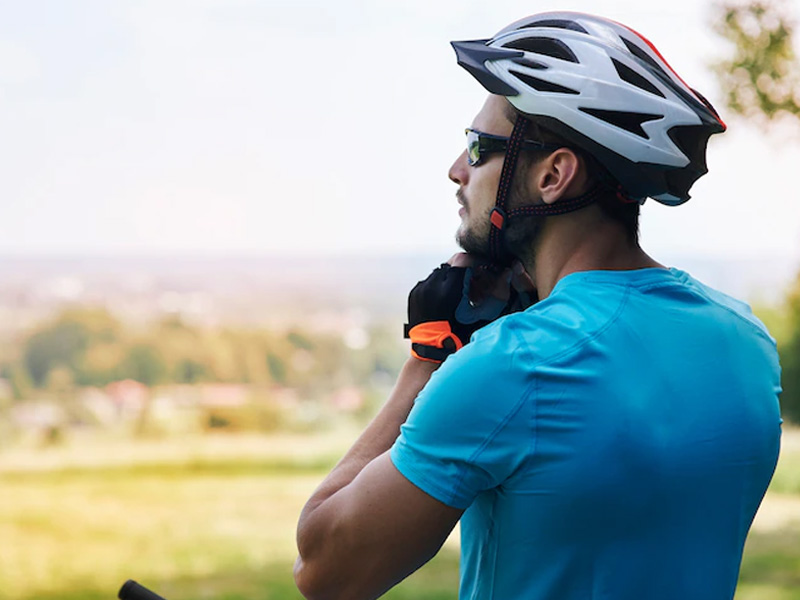
Cycling helmets, crucial for safety, come in a wide range of prices. This section explores the relationship between cost and quality, helping you understand the value proposition at different price points and how to find a safe helmet within your budget. Understanding these factors is key to making an informed purchase decision.Different features and materials contribute to a helmet’s price.
Higher-end helmets often incorporate advanced technologies and construction methods that improve protection and comfort, justifying their higher cost. However, there are many reliable and effective helmets available at more affordable price points, providing good value for money.
Helmet Price Ranges and Types
Various factors influence a helmet’s cost, including the materials used, the level of safety features, and the brand reputation. Lower-cost helmets, typically under $50 USD, often feature basic construction and a standard EPS (expanded polystyrene) liner. Mid-range helmets, priced between $50 and $150 USD, usually incorporate more advanced features like multiple density EPS, MIPS (Multi-directional Impact Protection System), or other protective technologies.
High-end helmets, exceeding $150 USD, often incorporate cutting-edge technologies and materials like advanced composite shells, advanced ventilation systems, and customized fit options.
Relationship Between Price and Safety
While a higher price doesn’t guarantee superior safety, higher-end helmets often utilize advanced materials and designs that enhance protection. More robust materials, multiple layers of protection, and advanced impact-absorbing technologies can contribute to a higher safety rating and a reduced risk of injury. However, many helmets within a mid-range price point are designed and tested to meet or exceed safety standards.
It’s important to prioritize reputable brands and certified safety standards, not just the price tag, when selecting a helmet.
Value Proposition at Different Price Points
The value proposition of a helmet depends on the rider’s needs and priorities. A lower-cost helmet might be suitable for occasional riders or those prioritizing a budget-friendly option. Mid-range helmets offer a good balance of safety features, comfort, and style. Higher-end helmets often cater to experienced riders who value superior protection, advanced features, and customizability.
Finding Quality Helmets Within a Budget
Finding a safe and reliable helmet within a budget is achievable. Look for helmets that meet recognized safety standards, such as those certified by the Snell Memorial Foundation or the CPSC (Consumer Product Safety Commission) in the US. Research reputable brands known for quality construction and safety. Check online reviews and comparisons to see how helmets within a particular price range perform.
Table: Helmet Price Comparison
| Price Range (USD) | Typical Features | Safety Ratings | Value Proposition |
|---|---|---|---|
| Under $50 | Basic EPS liner, standard features | Meets minimum safety standards | Budget-friendly option for occasional riders |
| $50 – $150 | Multiple density EPS, MIPS, ventilation | Exceeds minimum safety standards | Good balance of safety, comfort, and features |
| Over $150 | Advanced composite shells, custom fit, advanced ventilation | Highest safety ratings | Superior protection and customization for experienced riders |
Final Wrap-Up
In conclusion, selecting the right cycling helmet is a multifaceted process requiring careful consideration of various factors. Understanding safety standards, choosing the correct size and fit, and evaluating features and materials are all crucial steps. By following this guide, you can make an informed decision, ensuring optimal protection and peace of mind while enjoying your rides.
FAQ Insights
What are the most common helmet materials?
Common helmet materials include polycarbonate and ABS plastic. Polycarbonate is often preferred for its impact resistance, while ABS offers a balance of strength and affordability.
How often should I replace my helmet?
Helmets should be replaced after a significant impact or crash, even if it doesn’t appear damaged. Manufacturers usually recommend replacing them after a year or two depending on use and impact history.
Are there helmets specifically designed for children?
Yes, there are helmets designed specifically for children. These often come in smaller sizes and may feature different features to accommodate children’s head sizes and riding styles.
What if I don’t know my head size?
If you’re unsure of your head size, you can use a measuring tape to accurately determine your circumference. Consult a size chart for different helmet brands to ensure a proper fit.