
Beginner’s Guide to HIIT Workouts for Fat Loss provides a comprehensive roadmap for achieving your fitness goals. This guide dives into the world of High-Intensity Interval Training (HIIT), exploring its effectiveness in accelerating fat loss. We’ll equip you with essential knowledge, practical routines, and nutritional strategies to maximize your results.
The guide begins by defining HIIT and comparing its benefits to other workout methods. We’ll then detail crucial warm-up and cool-down routines, followed by sample workout plans tailored for beginners. Subsequent sections cover nutrition, recovery, tracking progress, safety considerations, and troubleshooting common issues. Finally, an optional section explores advanced HIIT techniques for those seeking a more challenging approach.
Introduction to HIIT Workouts for Fat Loss
High-Intensity Interval Training (HIIT) is a workout style characterized by short bursts of intense exercise followed by brief recovery periods. This approach challenges the body in a way that promotes significant improvements in cardiovascular fitness and metabolic rate, ultimately aiding in fat loss.HIIT’s effectiveness for fat loss stems from its ability to elevate the metabolic rate both during and after the workout.
This “afterburn effect,” known as excess post-exercise oxygen consumption (EPOC), means the body continues burning calories at a higher rate for hours following the workout. This sustained calorie expenditure plays a crucial role in creating a calorie deficit, a key component in fat loss.
HIIT Benefits for Fat Loss
HIIT workouts offer several advantages over other exercise methods for fat loss. They maximize calorie expenditure in a shorter time frame, making them highly efficient. This time-saving aspect is particularly attractive for busy individuals. Additionally, HIIT often leads to greater improvements in cardiovascular health, strength, and muscle mass compared to steady-state cardio, enhancing overall fitness.
Basic Principles of HIIT
The core principle of HIIT involves alternating high-intensity work intervals with lower-intensity recovery intervals. The intensity during the work intervals should be challenging enough to push the body to its anaerobic threshold, where the body relies more on stored energy sources rather than oxygen. The recovery periods are crucial for allowing the body to replenish its energy stores and prepare for the next intense effort.
Optimal HIIT workouts typically involve 20-60 seconds of high-intensity exercise followed by 10-30 seconds of rest or low-intensity activity.
Common Misconceptions about HIIT and Fat Loss
A common misconception is that HIIT is only for advanced athletes. In reality, HIIT can be modified and adapted to suit individuals of all fitness levels. Another misconception is that HIIT is the sole key to fat loss. While effective, HIIT is most effective when combined with a healthy diet and other lifestyle factors like sufficient sleep.
Furthermore, simply performing HIIT workouts will not automatically guarantee fat loss if the diet does not support the process.
Target Audience: Beginners
This guide is tailored for individuals new to HIIT workouts. It will provide clear and concise instructions, offering modifications for beginners, and helping them understand the importance of proper form and safety. It will equip beginners with the knowledge to build a safe and effective HIIT program that complements their overall fitness goals.
Comparison of HIIT with Other Fat Loss Methods
| Method | Time Commitment | Intensity | Metabolic Effect | Muscle Building |
|---|---|---|---|---|
| HIIT | Shorter | High | High (EPOC effect) | Moderate |
| Steady-State Cardio | Longer | Moderate | Moderate | Low |
| Strength Training | Variable | Moderate to High | Moderate (EPOC effect) | High |
The table illustrates the key differences in time commitment, intensity, metabolic effect, and muscle building potential among HIIT, steady-state cardio, and strength training. HIIT’s high intensity and shorter duration make it a time-efficient option, while steady-state cardio is often preferred for its low impact and ease of accessibility. Strength training, on the other hand, targets muscle growth and overall strength development.
Essential Warm-up and Cool-down Routines
Preparing your body for high-intensity interval training (HIIT) is crucial for maximizing performance and minimizing injury risk. A proper warm-up gradually increases blood flow to your muscles, preparing them for the intense exercise to come. Similarly, a cool-down aids in recovery by gradually reducing your heart rate and promoting blood flow back to your core, preventing muscle soreness and stiffness.A well-structured warm-up and cool-down routine are essential components of any HIIT workout program, ensuring safety and effectiveness.
This section details the importance of both phases and provides practical examples for beginners.
Importance of a Proper Warm-up
A thorough warm-up is vital for preparing your body for the demands of HIIT workouts. It gradually increases your heart rate, elevates body temperature, and enhances blood flow to your muscles. This increased blood flow delivers oxygen and nutrients, optimizing muscle function and reducing the risk of injury. A good warm-up also prepares your nervous system for the quick movements and high intensity of HIIT exercises.
Warm-up Exercises for Beginners
A suitable warm-up for HIIT workouts should encompass both cardiovascular and dynamic stretching components. This combination effectively primes your body for the rigorous demands of HIIT. Dynamic stretches, which involve controlled movements, are particularly beneficial.
Examples of Dynamic Stretching for HIIT Warm-ups
Dynamic stretching involves controlled movements that mimic the exercises you’ll be performing in your HIIT routine. These exercises improve flexibility, range of motion, and prepare your muscles for the exertion of HIIT. Examples include arm circles, leg swings, torso twists, and high knees. Perform each movement for 10-15 repetitions, gradually increasing the intensity as your warm-up progresses.
Importance of Cool-down Exercises After HIIT
Following your HIIT workout with a cool-down is equally crucial. A cool-down allows your heart rate to gradually return to its resting state, preventing blood pooling in your extremities and promoting efficient recovery. Static stretching, which involves holding a stretch for a set period, is beneficial during a cool-down, as it helps to lengthen muscles and improve flexibility.
Sample Cool-down Routine for Beginners
A simple cool-down routine for beginners after HIIT involves a combination of light cardio and static stretches. Begin with a brisk walk or light jogging for 5 minutes to gradually decrease your heart rate. Then, incorporate static stretches, holding each stretch for 20-30 seconds. Examples include hamstring stretches, quad stretches, and triceps stretches. Take your time to allow your body to fully recover.
Warm-up and Cool-down Exercises
| Exercise | Description |
|---|---|
| Arm Circles (forward and backward) | Gentle circular movements of the arms, warming up shoulder and upper arm muscles. |
| Leg Swings (forward and backward) | Controlled swings of the legs, improving hip and hamstring flexibility. |
| Torso Twists | Rotating your torso from side to side, enhancing core and back flexibility. |
| High Knees | Bringing your knees up towards your chest, improving hip and leg mobility. |
| Butt Kicks | Kicking your heels towards your glutes, improving hamstring and calf flexibility. |
| Hamstring Stretch | Reaching towards your toes, stretching the hamstrings. |
| Quad Stretch | Pulling your foot towards your glutes, stretching the quads. |
| Triceps Stretch | Reaching one arm behind your back and stretching the triceps. |
| Walking | A light pace to decrease heart rate. |
Sample HIIT Workouts for Beginners
This section presents three sample HIIT workouts tailored for beginners. Each workout is designed to be completed in a 20-30 minute timeframe, allowing for a manageable introduction to high-intensity interval training. The workouts incorporate a variety of exercises, gradually increasing intensity while focusing on proper form and technique.
Workout 1: Beginner Blast
This workout focuses on fundamental HIIT movements, emphasizing controlled form over speed. Modifications and alternatives are included to accommodate beginners who might find certain exercises challenging.
| Exercise | Duration (seconds) |
|---|---|
| Jumping Jacks | 30 |
| High Knees | 30 |
| Butt Kicks | 30 |
| Plank | 30 |
| Burpees (modified – step touch instead of jump) | 30 |
| Rest | Duration (seconds) |
|---|---|
| Between each exercise | 15 |
Modifications for Beginners: For burpees, beginners can modify the exercise by stepping instead of jumping, keeping the core engaged and avoiding stress on the joints. Instead of a full plank, beginners can perform a forearm plank.
Workout 2: Cardio Blast
This workout focuses on cardiovascular fitness, using bodyweight exercises to build endurance and stamina.
| Exercise | Duration (seconds) |
|---|---|
| Mountain Climbers | 45 |
| Jumping Lunges | 30 |
| High Knees | 30 |
| Bicycle Crunches | 30 |
| Burpees (modified – step touch instead of jump) | 45 |
| Rest | Duration (seconds) |
|---|---|
| Between each exercise | 15 |
Modifications for Beginners: If jumping lunges are challenging, a walking lunge can be substituted. If bicycle crunches are too difficult, regular crunches can be used.
Workout 3: Strength & Endurance
This workout combines strength-building exercises with cardiovascular movements, building both strength and endurance.
| Exercise | Duration (seconds) |
|---|---|
| Squats | 45 |
| Push-ups (modified – knees on the ground) | 30 |
| Walking Lunges | 45 |
| Glute Bridges | 30 |
| Jumping Jacks | 30 |
| Rest | Duration (seconds) |
|---|---|
| Between each exercise | 15 |
Modifications for Beginners: For push-ups, performing them on their knees is a suitable modification. If walking lunges are too challenging, regular lunges can be used.
Nutrition and Recovery for HIIT Success
Proper nutrition plays a crucial role in maximizing the benefits of High-Intensity Interval Training (HIIT) workouts. It fuels your workouts, supports muscle recovery, and helps you achieve your fat loss goals. A balanced approach to nutrition, coupled with consistent HIIT training, significantly enhances your overall results.Optimal nutrition is not just about consuming enough calories; it’s about providing your body with the right nutrients to function effectively during and after intense exercise.
This includes adequate protein for muscle repair and growth, carbohydrates for energy, and healthy fats for hormone production and overall health. Furthermore, proper hydration and strategic management of hunger are essential to support your HIIT journey.
The Role of Nutrition in HIIT
HIIT workouts demand significant energy expenditure. Adequate nutrition ensures your body has the necessary fuel to perform at peak levels during each interval and to recover quickly between sets. A balanced diet rich in complex carbohydrates, lean proteins, and healthy fats provides the sustained energy required for intense bursts of activity. It also fuels the repair and rebuilding of muscle tissue damaged during the workout.
Essential Nutrients for Muscle Recovery and Growth
Muscles require specific nutrients to repair and grow after intense workouts. Protein is paramount in this process. It’s the building block of muscle tissue, and adequate protein intake supports muscle repair and growth. Carbohydrates provide the energy needed for muscle glycogen replenishment, while healthy fats play a crucial role in hormone production and overall health, which indirectly aids muscle recovery.
Importance of Hydration During and After HIIT
Hydration is vital for optimal performance and recovery during and after HIIT workouts. Dehydration can lead to decreased energy levels, reduced performance, and hinder recovery. Consuming sufficient fluids, particularly water, before, during, and after your workout is crucial for maintaining hydration levels and promoting overall well-being.
Strategies for Managing Hunger and Cravings
Hunger and cravings can be challenging during and after HIIT workouts. Planning your meals in advance can help you avoid impulsive food choices. Choosing nutrient-dense foods that keep you full for longer, like fruits, vegetables, and lean proteins, can help manage hunger.
Proper Post-Workout Nutrition for Optimal Recovery and Fat Loss
Immediately following a HIIT workout, your body is in a crucial anabolic state, primed for muscle repair and growth. Consuming a balanced meal containing protein and carbohydrates within an hour of finishing your workout is ideal. This provides the building blocks for muscle recovery and replenishes energy stores.
Common Dietary Mistakes That Can Hinder HIIT Progress
Several dietary mistakes can negatively impact your HIIT progress. These include skipping meals, consuming processed foods, and inadequate protein intake. Poor hydration, ignoring hunger cues, and not focusing on whole foods can also hinder progress.
Essential Nutrients and Their Roles
| Nutrient | Role in HIIT |
|---|---|
| Protein | Muscle repair and growth, supports recovery |
| Carbohydrates | Provides energy for workouts, replenishes glycogen stores |
| Healthy Fats | Hormone production, supports overall health, aids satiety |
| Water | Hydration, crucial for performance and recovery |
Tracking Progress and Motivation
Staying motivated and tracking your progress is crucial for sustained success in any fitness journey, especially with high-intensity interval training (HIIT). Consistent effort and accurate monitoring help you understand your body’s response to the workouts and adjust your strategy as needed. It provides valuable insights for maintaining momentum and achieving your goals.
Importance of Tracking Progress
Monitoring your progress in HIIT workouts is vital for recognizing improvements, identifying areas for adjustments, and maintaining motivation. Regular tracking allows you to see how your body adapts to the workouts over time, enabling you to make informed decisions about workout intensity, duration, and frequency. This data-driven approach fosters a deeper understanding of your body’s responses and empowers you to make informed choices to optimize your fitness journey.
Methods for Tracking Progress
Several effective methods can be employed for tracking HIIT workout progress. These methods provide a structured approach to record and analyze your training, offering valuable insights for ongoing improvement.
- Workout Logs: Maintaining a detailed workout log is a fundamental way to track progress. This method involves meticulously documenting each workout session, including the date, time, exercises performed, sets, reps, rest periods, and perceived exertion. This comprehensive record allows you to analyze trends and patterns in your performance over time, providing a clear picture of your progress.
For example, you might notice an increase in the number of burpees you can complete in a given interval or a decrease in rest time needed between sets. These observations will guide your future workout strategies.
- Fitness Apps: Numerous fitness apps offer comprehensive tools for tracking HIIT workouts. These apps often include features to log workouts, track heart rate, monitor sleep, and provide personalized insights based on your data. The advantage of using fitness apps lies in their ability to provide immediate feedback and visualizations of your progress. Many apps also offer tailored workout plans based on your fitness level, helping you stay on track.
For instance, a fitness app could display a graph showing your increasing reps over several weeks.
Setting Realistic Goals
Setting realistic goals is paramount for beginners in HIIT. Overly ambitious targets can lead to frustration and discouragement, potentially hindering progress. Beginners should focus on achievable milestones, gradually increasing the intensity and duration of their workouts over time. For instance, a beginner might initially focus on completing a specific number of rounds of a workout, rather than striving for maximum intensity from the start.
Maintaining Motivation
Maintaining motivation throughout the HIIT journey is crucial for achieving long-term results. Motivation can fluctuate, and strategies to stay engaged are essential. Recognizing personal milestones and celebrating achievements is key to staying motivated. Visualizing your desired outcome, and consistently reminding yourself of your goals, can help maintain focus and dedication. Tracking progress is a significant motivator as you see tangible results from your hard work.
Overcoming Plateaus
Plateaus are a common occurrence in fitness journeys, including HIIT. When progress seems to stall, it’s important to address the underlying reasons. This may involve modifying your workout routine, incorporating new exercises, or adjusting your nutrition and recovery strategies. For example, if you’ve hit a plateau in your burpee repetitions, consider increasing the intensity of your burpees by adding weight or altering the pace.
You might also need to change the exercises entirely, introducing variations like jumping jacks or high knees.
Tracking Methods Comparison
| Tracking Method | Pros | Cons |
|---|---|---|
| Workout Logs | Detailed record, customizable, allows for manual adjustments. | Time-consuming, requires discipline to maintain. |
| Fitness Apps | Convenient, provides visualizations, often personalized. | Subscription fees may apply, relies on app accuracy. |
Safety Considerations and Precautions
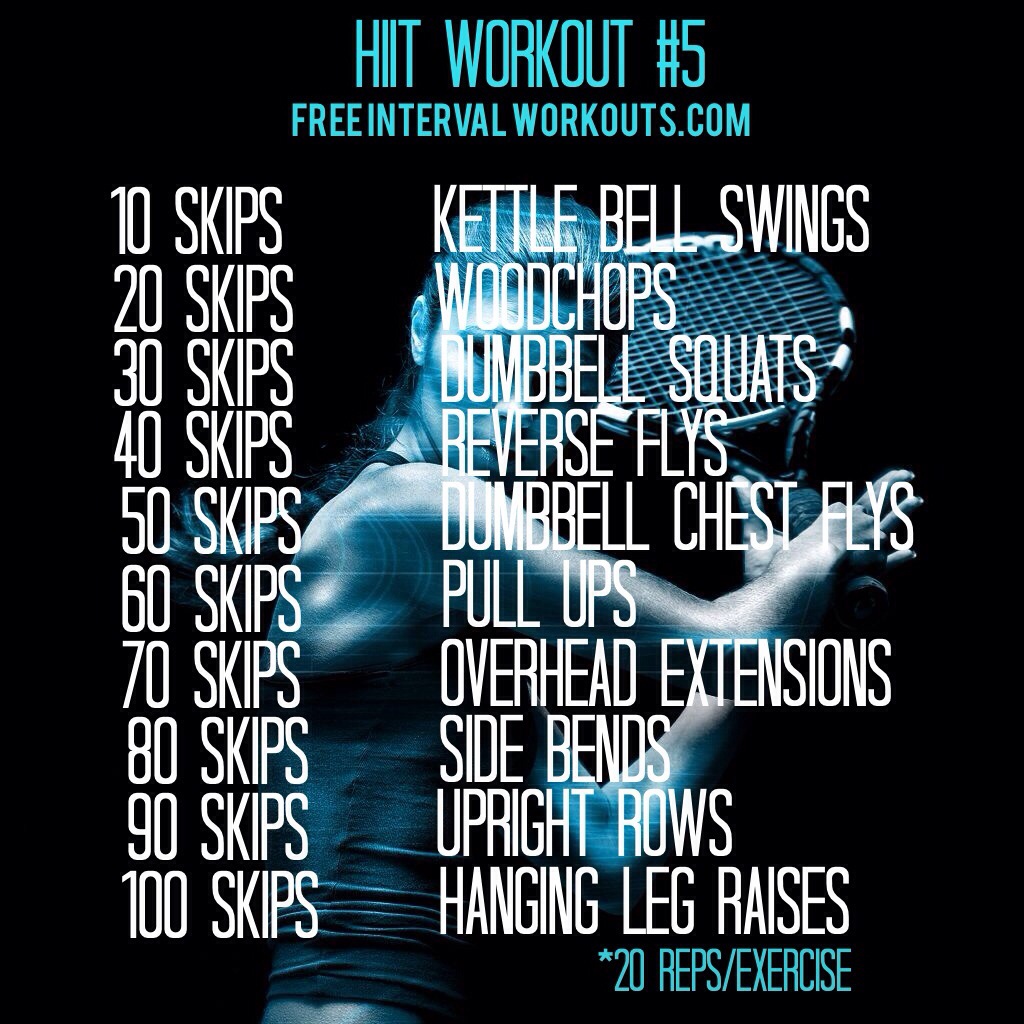
Source: trimmedandtoned.com
High-Intensity Interval Training (HIIT) offers significant benefits for fat loss, but it’s crucial to approach it safely. Understanding potential risks and implementing proper precautions are essential for injury prevention and maximizing the effectiveness of your workouts. This section will guide you through key safety considerations, helping you navigate HIIT safely and effectively.
Potential Risks and Injuries
HIIT workouts, while effective, can elevate the risk of certain injuries if not performed correctly. Common injuries include muscle strains, sprains, and joint pain, particularly in the knees, ankles, and lower back. Overexertion, improper form, and insufficient warm-up are major contributing factors. These injuries can range from minor discomfort to more severe conditions requiring medical attention. Proper technique and consistent precaution are critical for injury prevention.
Precautions to Minimize Injury Risks
Several precautions can significantly reduce the risk of HIIT-related injuries. Prioritize a thorough warm-up that prepares your muscles for the intense exercise. Using proper form throughout each exercise is crucial; focus on controlled movements rather than speed. Gradually increasing the intensity and duration of your workouts is essential for preventing sudden strain on your body. Listen attentively to your body; stop if you feel any sharp pain or discomfort.
Ensure you have adequate rest and recovery between workouts to allow your body to repair and rebuild muscle tissue.
Listening to the Body and Avoiding Overtraining
Recognizing your body’s signals is paramount in HIIT. Pay close attention to any unusual aches, pains, or fatigue. Rest days are just as important as workout days. Overtraining can lead to decreased performance, increased risk of injury, and burnout. Listen to your body and adjust your workouts accordingly.
If you experience persistent pain or discomfort, consult a healthcare professional. Consistent monitoring and appropriate rest are key for long-term HIIT success.
Adjusting Workout Intensity Based on Individual Fitness Levels
Beginners should start with lower intensity levels and shorter workout durations. Gradually increase the intensity, duration, and frequency of your HIIT workouts as your fitness improves. Consider modifying exercises to make them easier if needed. A personalized approach, adjusting the workout to your current fitness level, is vital for optimal results and injury prevention. Consult with a fitness professional for personalized recommendations based on your specific needs.
Common Mistakes Beginners Should Avoid
Skipping the warm-up, poor form, inadequate rest, and neglecting proper cool-down routines are common mistakes. Beginners often push themselves too hard, leading to injuries and overtraining. Maintaining proper form throughout each exercise, taking adequate rest between sets and workouts, and incorporating a proper cool-down are vital for injury prevention and optimal results. Starting slowly and gradually increasing the intensity is a key aspect of avoiding common mistakes.
Table of Potential Risks and Safety Measures
| Potential Risk | Safety Measures |
|---|---|
| Muscle strains | Thorough warm-up, proper form, gradual intensity increase, adequate rest |
| Sprains | Proper warm-up, adequate stretching, using supportive footwear, listening to body signals |
| Joint pain | Proper form, gradual intensity increase, using proper supportive equipment, listening to body signals, avoiding repetitive motions without rest |
| Overtraining | Adequate rest and recovery between workouts, listening to body signals, avoiding overexertion, monitoring fatigue levels |
| Skipping warm-up | Perform dynamic stretching and light cardio before HIIT |
| Inadequate cool-down | Perform static stretching and light cardio after HIIT |
Troubleshooting Common Issues
Navigating the world of high-intensity interval training (HIIT) can sometimes present challenges, especially for beginners. Understanding potential obstacles and developing strategies to overcome them is crucial for a successful and enjoyable HIIT journey. This section addresses common problems beginners face, providing insights into their causes and practical solutions.Troubleshooting common issues is vital for maintaining motivation and achieving HIIT goals.
Recognizing and addressing these problems proactively allows you to adjust your approach, ensuring consistent progress and minimizing setbacks. By understanding the underlying reasons behind these issues, you can tailor your training to your specific needs and limitations, maximizing your results.
Common Problems and Solutions
A systematic approach to addressing potential issues during HIIT workouts helps maintain progress and avoids frustration. This section Artikels common problems and their corresponding solutions, emphasizing personalized adjustments to individual needs.
Beginners often struggle with maintaining proper form throughout the exercises, leading to injuries or reduced effectiveness. Poor form can be due to insufficient understanding of the movements or lack of proper technique guidance. Consistent practice, clear demonstrations, and feedback from qualified trainers or coaches are crucial for developing correct form and reducing the risk of injuries.
- Feeling Overwhelmed: The intense nature of HIIT can be daunting for beginners. This often stems from a lack of familiarity with the workout structure or an unrealistic expectation of immediate results. Gradually increasing workout intensity and duration, incorporating rest periods, and setting achievable goals are key to managing this feeling. For instance, starting with shorter intervals and gradually increasing the duration as fitness improves.
- Lack of Motivation: Maintaining consistent motivation throughout a HIIT journey is essential. This can be addressed by incorporating variety into your workouts, celebrating milestones, setting personal goals, and finding an exercise buddy for support. Joining online communities or fitness groups can also help in maintaining motivation.
- Burnout: Excessive training without sufficient rest can lead to burnout. This can be avoided by ensuring adequate recovery periods between workouts, incorporating active recovery days, and listening to your body’s signals. Rest and recovery are as important as the workouts themselves. For example, incorporating a day of light cardio or stretching in between HIIT sessions can aid in recovery.
- Inconsistent Performance: Varied levels of performance during HIIT workouts can stem from factors like fluctuating energy levels, poor sleep, or inadequate nutrition. Consistency in sleep patterns, nutrition, and workout scheduling is vital for maintaining consistent performance. Proper nutrition before and after workouts is essential.
Adjusting Intensity and Duration
Individual needs vary significantly when it comes to HIIT. Adjusting intensity and duration based on individual progress and fitness levels is crucial for effective training. It is essential to monitor your body’s responses and adapt your workouts accordingly. Listen to your body and adjust the workout’s intensity and duration to prevent injuries and ensure optimal progress.
| Common Issue | Possible Cause | Suggested Solution |
|---|---|---|
| Difficulty maintaining intensity | Lack of cardiovascular fitness, insufficient rest between intervals | Start with shorter intervals and gradually increase duration, prioritize proper rest periods |
| Feeling excessively fatigued | Insufficient recovery, pushing too hard, improper nutrition | Adjust workout intensity, increase rest periods, focus on proper nutrition |
| Inability to complete workouts | Unrealistic expectations, lack of proper warm-up | Reduce workout duration, incorporate a thorough warm-up routine, adjust intervals |
| Sustaining proper form | Lack of guidance, inadequate understanding of exercises | Seek professional guidance, practice correct form consistently, watch videos |
Advanced HIIT Techniques (Optional)
For individuals with some experience in HIIT, there are advanced techniques that can further optimize workout effectiveness and fat loss. These methods focus on pushing boundaries, increasing intensity, and incorporating other training elements for comprehensive results.Implementing advanced HIIT techniques requires a deeper understanding of your body’s responses and a gradual progression to avoid injury. It’s crucial to listen to your body and adjust the intensity as needed.
Advanced HIIT Protocols
Different HIIT protocols cater to specific goals and fitness levels. Understanding these protocols allows you to tailor your training for optimal results. Advanced protocols often involve manipulating work-to-rest ratios, incorporating more complex movements, and incorporating varied intensities within a single workout.
- Tabata Protocol: This protocol emphasizes short, intense bursts of exercise followed by brief recovery periods. A common Tabata workout consists of 20 seconds of high-intensity exercise followed by 10 seconds of rest, repeated eight times. This method significantly boosts calorie burn and improves cardiovascular fitness.
- EMOM (Every Minute On the Minute): In this protocol, you perform a chosen exercise for the entire minute, resting when needed. This is an excellent method for improving muscular endurance and stamina, while still challenging your cardiovascular system.
- AMRAP (As Many Reps As Possible): AMRAP workouts focus on completing as many repetitions of an exercise as possible within a specific time frame. This approach builds strength, endurance, and promotes metabolic adaptations.
Progressive Overload in HIIT
Progressive overload is a fundamental principle in training. It involves gradually increasing the demands on your body to promote adaptation and continued improvement. This principle is crucial for HIIT, as it helps you avoid plateaus and achieve sustained results.
- Increasing Work Intervals: Gradually increasing the duration of your high-intensity work intervals can challenge your cardiovascular system and enhance calorie expenditure.
- Decreasing Rest Intervals: Shortening rest periods between sets or intervals forces your body to adapt and become more efficient at recovering between intense bursts.
- Adding Intensity: Incorporating more challenging exercises or variations of existing exercises can make your workouts more demanding and effectively stimulate muscle growth and fat loss.
Advanced HIIT Workouts
Advanced HIIT workouts incorporate a greater variety of exercises, pushing the limits of your body. Examples can include plyometrics, compound movements, and variations of exercises to target different muscle groups.
- Example Workout (Advanced):
- Burpees (30 seconds)
- Mountain Climbers (30 seconds)
- Jump Squats (30 seconds)
- Rest (60 seconds)
- Repeat the circuit 3 times.
Incorporating Strength Training into HIIT
Integrating strength training into your HIIT routines can improve overall strength, increase muscle mass, and further enhance fat loss. Compound movements that work multiple muscle groups at once are ideal.
- Supersets: Combine strength exercises with HIIT exercises to create supersets. For example, perform a set of squats followed by a set of burpees. This method maximizes workout efficiency.
- Strength Training Days: Dedicate specific days for strength training to allow for adequate recovery and muscle growth. This ensures that HIIT workouts focus on high-intensity intervals while strength training targets muscle development.
Increasing Workout Intensity
Gradually increasing workout intensity is key to avoiding injury and maximizing results. Rely on gradual progression rather than sudden increases.
- Listen to Your Body: If you experience pain, stop and rest. Rest and recovery are essential to prevent injury.
- Adjust Workload: Modify the duration of work intervals or rest intervals, or alter the exercises to adjust the intensity of your workouts.
- Consider Intensity Progression: Use the principles of progressive overload, mentioned earlier, to gradually increase the intensity of your HIIT workouts over time.
Epilogue
This Beginner’s Guide to HIIT Workouts for Fat Loss empowers you to embark on a transformative fitness journey. By understanding the principles of HIIT, implementing effective routines, and prioritizing nutrition and recovery, you’ll be well-equipped to achieve your fat loss objectives. Remember consistency and patience are key to long-term success. Stay committed to your goals, and enjoy the positive changes that HIIT can bring to your life.
FAQ Summary
What are some common misconceptions about HIIT and fat loss?
Some people believe HIIT is only for advanced athletes, or that it’s solely about burning calories. Actually, HIIT is incredibly effective for beginners, and it’s about more than just calories. It boosts your metabolism, improves cardiovascular health, and builds strength.
How much rest should I take between HIIT exercises?
Rest periods vary depending on the specific exercise and your fitness level. The guide provides sample tables to help you determine appropriate rest times for different workouts.
What are some good alternative exercises if I can’t do a certain exercise?
The guide includes modifications and alternatives for beginners who might find certain exercises challenging. It provides alternative exercises for various HIIT routines.
How can I track my progress during my HIIT journey?
There are many ways to track your progress, such as using workout logs, fitness apps, or measuring your body composition. The guide includes a section on tracking progress that will help you keep tabs on your achievements.